If you live in Pittsburgh, your roof deals with a lot more than the occasional rainy afternoon. Snow loads, freeze-thaw cycles, gusty storms, and summer humidity can quietly wear down roofing materials long before obvious leaks appear. You might think of your roof as a background feature, but it’s really one of the hardest-working parts of your home. Knowing what to watch for can help you avoid surprise repairs, interior damage, and a very bad time during the next storm.
Your roof usually gives warnings before it fails
Roof problems rarely begin with water pouring into your living room like a dramatic movie scene. Most issues start small and stay quiet. A lifted shingle, cracked flashing, clogged valley, or damp patch in the attic can sit there for months while damage builds underneath.
You should pay attention to subtle signs:
- Granules collecting in gutters
- Dark streaks or moss growth
- Curling or missing shingles
- Water stains on ceilings or walls
- Sagging rooflines
- Sudden spikes in heating or cooling bills
That last one surprises people. When moisture gets into insulation or ventilation goes sideways, your home’s energy performance can drop. Your roof isn’t just a lid. It’s part of a system, and systems tend to complain before they collapse.
Pittsburgh weather puts roofing materials under constant stress
Not every climate punishes a roof the same way. In Pittsburgh, the freeze-thaw cycle is a repeat offender. Water slips into tiny cracks, freezes, expands, and slowly turns minor defects into expensive repairs. Add heavy snow, wind-driven rain, and summer heat, and your roof gets a full four-season stress test every year.
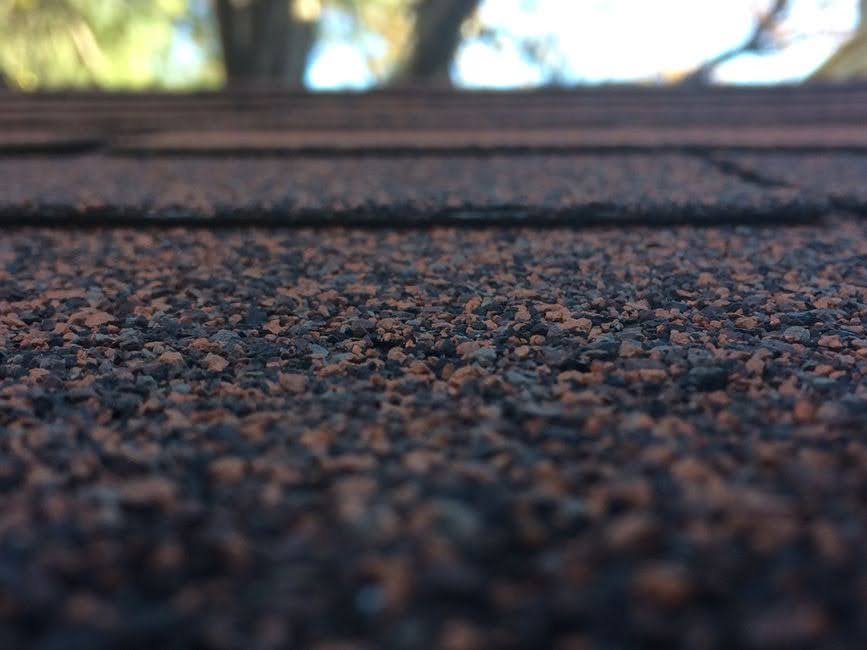
Asphalt shingles can lose granules faster in fluctuating temperatures. Flashing around chimneys and vents can loosen as materials expand and contract. Ice dams may form when attic heat melts snow unevenly, sending water back under shingles.
If you’re comparing maintenance needs by region, local conditions matter more than generic advice. Working with a reputable roofing company in Pittsburgh often makes sense when you need an inspection shaped by the area’s specific weather patterns, common housing styles, and seasonal problem spots.
Inspections matter more than age-based guesswork
A lot of homeowners use a rough formula: if the roof isn’t ancient and nothing is dripping, everything must be fine. That approach can get expensive fast. Roof lifespan depends on installation quality, ventilation, drainage, tree cover, storm exposure, and material type. Two homes on the same street can have very different roof conditions.
A smarter move is scheduling inspections at practical intervals:
- Once a year for general upkeep
- After major wind or hail events
- Before buying or selling a home
- When your roof is over 12 to 15 years old
- If you notice any interior moisture signs
An inspection gives you something more useful than a guess. You get a clearer picture of worn sealant, soft decking, flashing issues, or ventilation problems before those issues start charging rent inside your walls.
Gutters, ventilation, and flashing deserve more attention than they get
When people think about roofing, they usually picture shingles. Fair enough, since shingles get the spotlight. The supporting cast, though, often determines how well the whole roof performs. Gutters, attic ventilation, and flashing may not be glamorous, but neither is paying for mold remediation.
Gutters move water away from the roof edge and foundation. When clogged, they can force water under roofing materials. Ventilation helps regulate attic temperature and moisture levels, reducing the risk of rot, ice dams, and premature shingle aging. Flashing seals vulnerable joints around penetrations like chimneys, skylights, and vents.
You don’t need to become a roofing nerd overnight, but you should know these components affect one another. A roof can look decent from the driveway while hidden weak points quietly do their thing behind the scenes.
Repairs are often cheaper when you stop waiting for certainty
Homeowners often delay repairs because they want proof that the issue is serious. That instinct is understandable, but roofs reward early action. A small repair can stay small for a while, then suddenly become drywall damage, insulation replacement, framing repairs, and a battle with indoor humidity.
Common repair delays usually come from:
- Assuming a stain is old and harmless
- Waiting for a second leak to confirm the first one
- Ignoring wind damage after a storm
- Treating loose shingles as cosmetic
- Putting off attic checks because the space is inconvenient
Certainty is expensive in home maintenance. If something looks off, investigate it. You don’t need panic. You need timing. A controlled repair in mild weather is usually easier and less disruptive than an emergency response during a storm when everyone else in town also needs help.
Material choice should match your house, budget, and long-term plans
Not every homeowner needs the same roofing material, and not every upgrade is worth the cost. The right choice depends on how long you plan to stay in the home, how much maintenance you can handle, and what kind of weather exposure your property gets.
Asphalt shingles remain popular because they’re cost-effective and widely available. Metal roofing can last longer and shed snow efficiently, though initial costs are higher. Architectural shingles offer a sturdier profile than basic three-tab versions. For older homes, appearance may matter alongside performance.
When evaluating materials, think beyond the sticker price. Ask about:
- Expected lifespan in your climate
- Wind resistance ratings
- Warranty limitations
- Ventilation compatibility
- Repair complexity
- Curb appeal and resale impact
A roof is part shelter, part investment decision. Choosing well means balancing durability, cost, and real-life maintenance instead of chasing the flashiest option on the menu.
Smart homeowners keep records and plan before emergencies hit
The best time to organize roof information is before you need it urgently. Keep inspection reports, repair invoices, warranty details, installation dates, and photos of problem areas in one place. If storm damage happens, those records can help with insurance claims, contractor conversations, and resale disclosures.
You should also make a simple response plan. Know who you’ll call, where your attic access is, and how to spot active leaks safely. If a storm passes through overnight, you’ll be glad you aren’t scrambling for basics while balancing a flashlight and a towel like some kind of low-budget disaster extra.
Roof maintenance isn’t exciting, and that’s part of the point. The goal is boring reliability. When you catch issues early, maintain drainage and ventilation, and get informed inspections, your roof has a much better chance of staying out of your daily life, exactly where a good roof belongs.