Designing your home with longevity in mind means making everyday routines safer, more comfortable, and easier to keep up with over time. And here's the good news: features that support your health don't have to look clinical or demand a huge renovation. Things like thoughtful lighting, supportive furniture, and durable finishes can blend right in with a polished interior.
The best well-being-focused design really starts with how you move through each room, from getting ready in the morning to unwinding before bed.
Homes for Health and Well-being
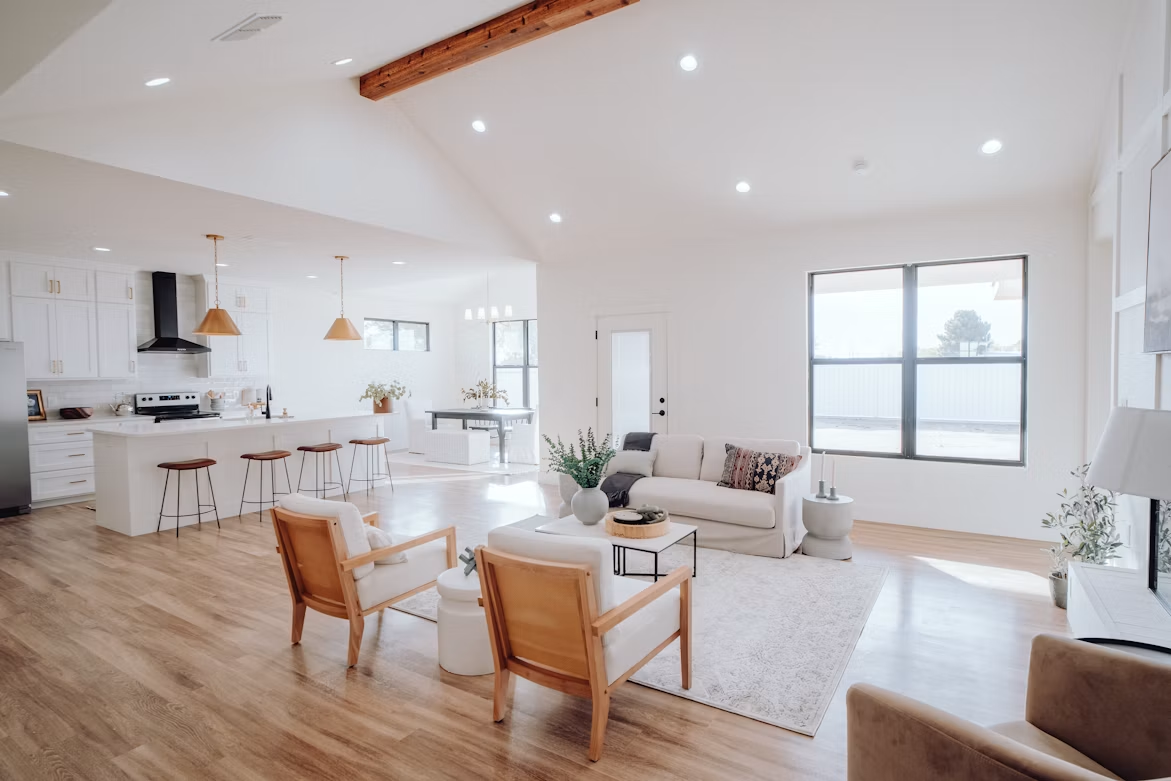
Let's start with the basics: clean air, manageable noise, and clear walking paths. Keep the stuff you use often within easy reach, and make sure there's enough space around your furniture so you can move without twisting or squeezing. If you can, put a reading chair or breakfast table near a window. Natural light helps you stay alert during the day and keeps your body's sleep-wake schedule on track.
Comfort also has a sensory side. Soft fabrics can help soak up echoes, while plants and views of greenery can make a room feel more calming. Ideas from longevity-focused home design can help you think about how your rooms might need to work five, ten, or even twenty years down the line.
Smart Lighting for Eye Health
Layered lighting helps reduce eye strain from a bright screen in a dark room or just one harsh ceiling light. Use ambient light for general visibility, task lighting for things like reading or cooking, and softer accent light for evenings. Adjustable fixtures and dimmer switches let you adapt to changing daylight without making the whole room too bright.
For a warm, decorative touch, pendant lighting in antique brass can look great over kitchen islands, dining areas, or next to your bed. Just make sure to position them so the light source isn't shining right into your eyes or creating glare on shiny surfaces.
Pick your light bulbs based on what you do in each room. A clear, neutral light works well in bathrooms and workspaces, while a warmer tone can create a calmer vibe before bedtime.
Ergonomic and Accessible Touches
Even small ergonomic upgrades can make a big difference for your joints, posture, and balance. Start with the spots where you spend the most time. A desk chair should support your lower back, and your screen should be roughly at eye level. In the kitchen, store everyday pots and pans between your hip and shoulder height to cut down on repeated bending and reaching overhead.
Think about accessibility now, before it becomes a rush:
Choose handles that feel good to grip.
Secure rugs with non-slip backing.
Add lighting along stairs and hallways.
Keep clear paths around beds and seating.
If you're renovating, install a shower bench or a handheld showerhead.
These choices can really help after an injury, when you're feeling tired, or as your mobility changes. Plus, they make your home more welcoming for kids and visitors with different physical needs.
Quality Materials Last Longer
Durable materials mean fewer disruptive repairs and less frequent replacements. Focus your spending on surfaces that get constant contact, like flooring, countertops, cabinet hardware, and light switches. Solid, repairable components often age more gracefully than finishes that chip, peel, or discolor after just a few years.
Maintenance is just as important as how things look. Before you buy, ask how a material should be cleaned, if individual parts can be replaced, and how it handles moisture or direct sunlight. Low-maintenance flooring might be a smart choice in an entryway, and washable paint can make keeping busy kitchens clean a lot simpler.
Longevity also comes down to timeless coordination. A calm color palette and consistent metal finishes give you room to update textiles, artwork, and accessories without having to replace permanent fixtures.
A helpful first step is to walk through your home on a normal day and note down any discomfort, glare, or awkward movements. Tackle the issues that bother you most often, then build future upgrades into your planned decorating and renovation projects. A home designed for longevity should keep adapting as your needs change, bringing in ideas from a modern longevity edit.