A well-maintained home does more than look attractive. Regular upkeep protects structural components, keeps essential systems working efficiently, and can prevent minor problems from becoming expensive emergencies. Strategic upgrades can take that protection further by improving comfort, durability, energy performance, and everyday convenience. The key is knowing which projects deserve attention first. Instead of chasing cosmetic trends, homeowners can get more from their budgets by addressing vulnerable exterior materials, moisture issues, aging equipment, inefficient fixtures, and other practical concerns. A thoughtful maintenance plan combined with carefully timed improvements helps create a home that remains comfortable, functional, and easier to care for over the years.
Give Your Exterior Siding the Attention It Needs
Siding performs a much bigger job than giving a house its color and architectural character. It forms part of the exterior barrier protecting underlying materials from rain, wind, moisture, pests, and changing temperatures. Cracks, loose sections, rot, warping, or persistent discoloration can therefore indicate more than a cosmetic problem.
When deterioration becomes widespread or repairs keep recurring, consulting an experienced siding contractor can help determine whether targeted repairs or complete replacement makes more sense. A professional assessment can also identify problems beneath the surface, including damaged or deteriorating materials that may need attention before new siding is installed.
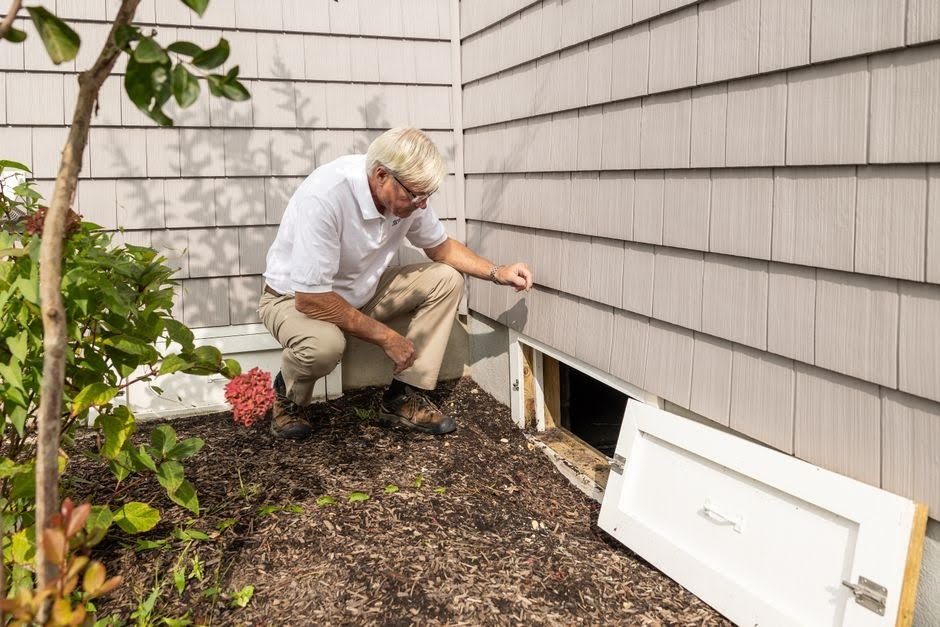
Inspect siding periodically and pay particular attention after severe weather. Look around seams, corners, window openings, and areas close to the ground where moisture may create problems. Catching damage early can help protect the materials underneath and make future maintenance considerably more manageable.
Keep Water Moving Away From the House
Water can cause expensive problems surprisingly quietly.
Start with the roof and gutter system. Gutters should remain clear enough to carry rainfall toward downspouts, while downspouts should discharge water away from vulnerable areas around the home.
Inspect the property during or immediately after heavy rain. Water pooling beside the foundation, overflowing gutters, washed-out landscaping, or consistently soggy patches can reveal drainage problems that may otherwise go unnoticed.
Check exterior seals around doors, windows, vents, pipes, and other penetrations as well. Deteriorated caulk can create small openings through which moisture gradually enters.
Inside, investigate unexplained stains and musty odors promptly rather than covering them cosmetically.
The goal is simple: give water an intentional path away from the structure. Otherwise, it has an irritating tendency to choose its own route, often through places that are difficult and expensive to repair.
Make the HVAC System Work Smarter
Heating and cooling equipment has a major influence on household comfort, so preventive care should be part of routine maintenance.
Replace or clean filters at appropriate intervals based on the equipment manufacturer's guidance and household conditions. Keep outdoor units clear of vegetation and debris, and make sure indoor vents are not unnecessarily blocked by furniture.
Pay attention to changing performance. Unusual noises, weak airflow, uneven temperatures, or unexplained increases in energy consumption can indicate that the system needs attention.
Before replacing equipment with a larger unit, consider the home's overall efficiency. Poor insulation, aging windows, air leakage, or damaged exterior materials may force HVAC equipment to work harder than necessary.
Improving those weaknesses can sometimes provide greater comfort without simply adding more mechanical capacity.
Regular professional servicing can also identify developing problems before they become inconvenient breakdowns during the hottest or coldest part of the year.
Upgrade Lighting With Purpose
Lighting upgrades can improve both usability and energy efficiency without requiring a major renovation.
Think about what happens in each room rather than installing the same type of lighting everywhere. Kitchens benefit from focused task lighting around preparation areas, while bedrooms and living rooms may need softer illumination alongside brighter general lighting.
LED bulbs and fixtures can provide efficient options for replacing older lighting while offering numerous brightness and color-temperature choices.
Controls can improve usability too. Dimmers allow lighting levels to change with activities, while timers, sensors, or smart controls can reduce unnecessary operation in appropriate spaces.
Do not forget outdoor areas. Entrances, pathways, stairs, and gathering spaces should have sufficient illumination for comfortable nighttime use.
The objective is not making a home as bright as possible. Effective lighting puts an appropriate amount of light exactly where people need it, creating rooms that feel comfortable while remaining practical for everyday tasks.
Improve Insulation and Seal Air Leaks
A home can have excellent heating and cooling equipment and still feel uncomfortable if conditioned air continually escapes.
Inspect accessible areas for insulation deficiencies and unwanted air leakage. Attics are an important starting point, but doors, windows, penetrations, and other transitions can also contribute to drafts.
Weatherstripping around doors and appropriate sealing around openings can address some smaller problems. Larger insulation deficiencies may require professional assessment.
Exterior maintenance should be part of the same conversation. Gaps, deteriorated materials, damaged seals, and poorly maintained exterior components can expose underlying areas to weather while making indoor comfort harder to maintain.
Think of efficiency as a whole-house issue rather than the responsibility of one appliance. The building envelope and mechanical systems need to work together.
Reducing unnecessary heat transfer can improve comfort while helping heating and cooling equipment operate under more reasonable demands throughout the year.
Make Kitchens and Bathrooms Easier to Maintain
The busiest rooms often benefit most from practical upgrades.
In kitchens, focus on durable surfaces, useful storage, effective task lighting, and fixtures that simplify everyday cooking and cleaning. Drawer organizers and pull-out storage can improve existing cabinetry without requiring complete replacement.
Bathrooms demand special attention because water and humidity are constant concerns. Repair deteriorated caulk, leaking fixtures, damaged grout, and other moisture problems before spending money on cosmetic improvements.
Good ventilation is equally important for managing humidity after bathing.
When selecting replacement materials, think about cleaning requirements. Highly textured surfaces and complicated details may look impressive in a showroom but become frustrating when they require constant scrubbing.
A successful upgrade should reduce household work rather than create additional chores.
Choose improvements according to how you actually use the room, not simply how you want it to look immediately after the renovation is finished.
Maintain the Roof Before Leaks Appear
Waiting for water to drip from the ceiling is a particularly expensive way to discover that a roof needs attention.
Inspect visible roofing conditions periodically from a safe location and arrange professional evaluation when damage is suspected. Missing materials, damaged flashing, sagging areas, excessive debris, or deterioration around roof penetrations deserve attention.
Check attic spaces when accessible. Damp insulation, staining, unusual odors, or signs of moisture can reveal problems before they become obvious in finished rooms.
Tree maintenance also matters. Branches that scrape roofing materials or hang precariously above the house can create avoidable risks during storms.
Keep gutters and roof drainage areas clear so rainfall can leave efficiently.
Roof maintenance may lack the excitement of a new kitchen, but protecting everything underneath the roof makes it one of the most valuable responsibilities a homeowner has. Preventive attention can also make it easier to plan eventual replacement rather than being forced into an emergency project.
Create a Long-Term Upgrade Schedule
Trying to improve everything simultaneously is an excellent way to overwhelm both yourself and your budget.
Instead, inspect the property and create a prioritized list. Safety issues, active leaks, structural concerns, and failing essential systems should generally come first. Preventive maintenance and efficiency improvements can follow, with purely cosmetic projects scheduled afterward.
Consider how projects overlap. Exterior upgrades involving siding, windows, roofing, gutters, or painting may affect neighboring materials, so coordinating compatible work can help avoid duplicated labor and unnecessary disruption.
Keep records of repairs, warranties, inspections, and installation dates so future decisions are based on useful information rather than memory. Photographs can also document conditions before and after major work.
Home maintenance is ultimately an ongoing process rather than a project you finish permanently. Every part of a property experiences wear, and changing household needs may create new priorities over time.
By inspecting regularly, responding to problems early, budgeting for future replacements, and choosing upgrades for practical reasons, homeowners can protect their investment while creating a property that remains comfortable, durable, attractive, and functional for years.