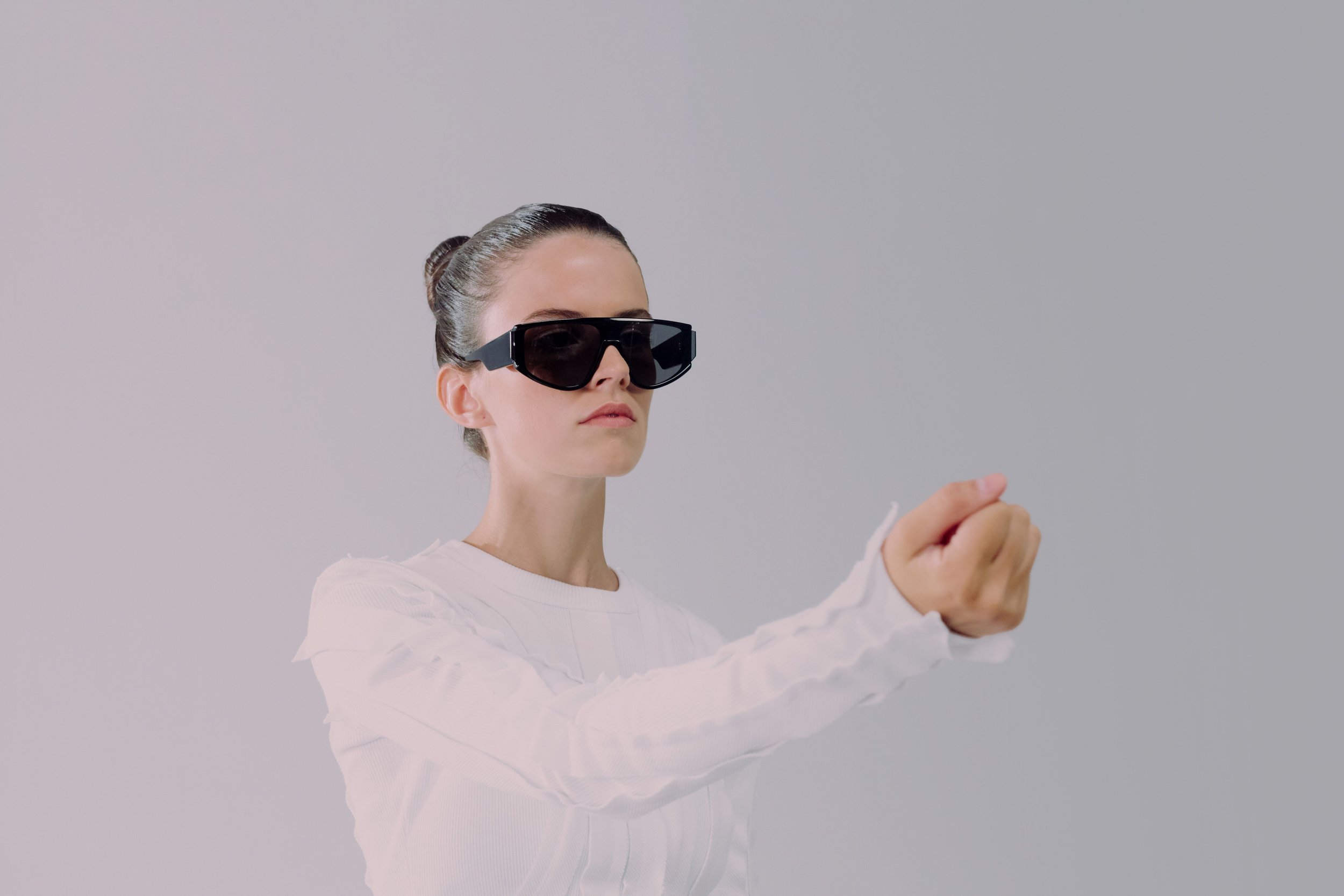
Fashion has always communicated status, taste, and identity. For a long time, that status was often tied to decoration: the logo, the material, the price, the rarity, or the designer name. Those things still matter, but the definition of status is changing. Modern consumers are increasingly drawn to fashion that not only looks good, but also makes daily life easier. Functionality is becoming part of what makes an item feel valuable, modern, and desirable.
Why Is Fashion Moving From Decoration to Function?
Traditional accessories were often judged by how they looked. A pair of sunglasses added polish. A watch completed an outfit. A bag carried essentials while signaling personal style. Jewelry added character, color, or luxury.
Now, many of these same accessories are being redesigned to solve practical everyday needs.
Accessories can now help people:
Capture photos or videos
Listen to audio
Track health and activity
Make payments
Receive notifications
Support travel
Reduce screen dependence
Stay connected while moving
This does not mean beauty no longer matters. It means function is joining beauty as part of the value. An accessory can still be elegant, bold, minimal, sporty, or refined. The difference is that it may also do something useful.
How Did Convenience Become Part of Personal Style?
Convenience has become a style priority because people live busy, mobile lives. They move between work, errands, travel, social plans, fitness, family responsibilities, and digital communication. Fashion that fits that rhythm feels more relevant.
A stylish item is even more appealing when it saves time or reduces friction.
That is why consumers are drawn to:
Bags with better compartments
Shoes that combine comfort and polish
Watches with health and communication tools
Rings that track sleep or activity
Eyewear that supports audio or camera features
Clothing made with breathable, performance-focused fabrics
The strongest fashion pieces are no longer just impressive to look at. They are useful in motion. They support the wearer’s actual day.
This is also why value is becoming more important in fashion. Modern shoppers are paying closer attention to what a product does for them, not only what it represents. The growing focus on value-driven fashion consumption shows that many consumers are becoming more thoughtful about where they spend and what they expect in return.
Why Is Technology Blurring the Line Between Fashion and Function?
Technology is turning familiar accessories into connected tools. A watch can track fitness. A ring can monitor sleep. A bracelet can support payments or notifications. Glasses can play audio, take photos, record video, or connect with AI features.
This shift works because the products are already familiar. Consumers do not have to adopt something completely strange. They are simply using accessories they already understand, now with added function.
A natural example is glasses with camera, which show how eyewear can move beyond sun protection and style into hands-free content capture, audio, and connected convenience.
This kind of smart accessory can be useful for:
Travel clips
Outdoor activities
Social content
Hands-free photos
Quick audio access
Active summer days
First-person storytelling
The point is not that every accessory needs technology. The point is that technology is giving accessories new roles in daily life.
How Are Smart Accessories Changing the Meaning of Luxury?
Luxury used to be closely tied to rarity, craftsmanship, materials, and brand heritage. Those still matter, especially in high fashion. But a newer version of luxury is becoming more practical.
For many consumers, luxury can now mean:
Less friction
Better personalization
Greater comfort
Smarter features
More convenience
A product that adapts to real life
A design that looks good and works hard
Functionality can feel luxurious because it respects the wearer’s time. A bag that organizes everything well can feel luxurious. Sunglasses that support hands-free features can feel modern. A smart ring that tracks sleep without looking like a device can feel discreet and valuable.
This is not loud luxury. It is useful luxury.
Why Is Personalization Part of the New Status Symbol?
Personalization is becoming important because consumers want products that feel made for their lives. AI, connected apps, virtual try-ons, and smart devices are helping fashion become more tailored to individual needs.
This can include:
Personalized product recommendations
Custom fit suggestions
App-controlled settings
Health or activity insights
Style preferences
Adaptive notifications
Digital shopping tools
Virtual try-on experiences
The rise of generative AI in fashion shows how technology is reshaping shopping, product discovery, design, and customer experience. For consumers, the practical benefit is that fashion can become more relevant to their preferences instead of feeling one-size-fits-all.
Personalization makes function feel more intimate. A product becomes more valuable when it understands the way a person lives, moves, shops, or dresses.
What Makes Functional Fashion Feel Stylish Instead of Gimmicky?
Functional fashion works only when the design still feels desirable. If an accessory looks awkward, feels heavy, or does not match real outfits, people may not use it for long.
A functional fashion item should still offer:
Comfort
Good proportions
Strong materials
Easy styling
Durability
A clear purpose
Personal expression
Practical everyday value
The best examples do not shout that they are technical. They blend into daily life. A smart ring should still look like jewelry. Smart sunglasses should still look like sunglasses. Performance shoes should still feel wearable outside the gym.
Function becomes stylish when it feels natural.
Why Are Consumers Choosing Practical Pieces More Often?
Consumers are becoming more intentional. Many people do not want to buy items that only look good once or work for one outfit. They want pieces that can do more.
Practical fashion is attractive because it supports real life:
A tote that works for the beach and errands
Sandals that are comfortable enough for walking
Sunglasses that protect the eyes and support active use
Jewelry that looks good while tracking wellness
Clothing that moves easily from travel to casual plans
This does not make fashion less expressive. It makes expressions more grounded. The new status symbol is not only “look what I own.” It is also “look how well this fits my life.”
What Should Shoppers Look For?
When choosing functional fashion, shoppers should avoid buying technology just because it is new. The item should still make sense as part of a real wardrobe.
Useful questions include:
Does it match my personal style?
Will I use the function regularly?
Is it comfortable enough for daily wear?
Does it work with multiple outfits?
Is the quality strong enough?
Is the technology easy to use?
Does it solve a real problem?
Will I still like it after the novelty fades?
A product should not only impress at first glance. It should continue to feel useful after weeks or months of use.
Final Thoughts
Functionality is becoming fashion’s new status symbol because consumers are placing more value on products that support real life. Decoration still matters, but it is no longer the whole story.
The most desirable accessories are becoming more comfortable, more useful, more personal, and more connected. Technology is helping fashion move beyond appearance into convenience, communication, wellness, and content creation.
The future of status will not only be about what a product says. It will also be about what it helps the wearer do.