An apparently missing wardrobe staple can turn out to be an untested outfit. The trousers are there, a suitable jacket is there, and several tops could work, but the pieces have never been tried together for the occasion that matters. Shopping seems more decisive than spending fifteen minutes in front of a mirror. It can also add another garment without resolving the original question.
Before buying, give the existing wardrobe a short, specific trial. Choose one occasion, assemble a few combinations, and note what fails in actual wear. The aim is not to prove that nobody ever needs new clothes. It is to make a purchase answer a real gap rather than a vague dissatisfaction with the whole rail.
Choose an Occasion Before Pulling Out Clothes
Start with something on the calendar: a work presentation, a daytime exhibition, or a meal at a venue whose dress expectations you know. Think about the journey and what you will be doing there. An outfit suitable for sitting indoors may need adjustment if the trip involves a substantial walk or time outside.
If you need a small activity to structure time at home, Palaura offers a solo planner that asks what kind of result you want and how much time you have. It can help supply that initial structure. The wardrobe exercise here is your own project; the planner does not inspect clothes, recommend outfits, or decide what suits your body.
Write a brief for the time you have, regardless of the Palaura suggestion: name the occasion and one practical requirement. For example: clothes for a gallery visit with comfortable shoes for the journey. Avoid starting with “a whole new look.” That instruction offers no useful way to choose between two outfits or to recognize when the job is finished.
Palaura's distinction between an afternoon and a shorter time window is a helpful reminder to set a boundary. You can try a few combinations without emptying every drawer. A modest session leaves the rest of the wardrobe usable and makes returning to the exercise less daunting.
Use Three Short Sessions to Test Different Questions
Treat this as a proposed exercise, not a transformation promise. The sessions can happen whenever convenient, and there is no prize for completing them consecutively. Each one should answer a different question so that taking more photographs does not become a substitute for deciding.
First Assemble the Clothes You Already Reach For
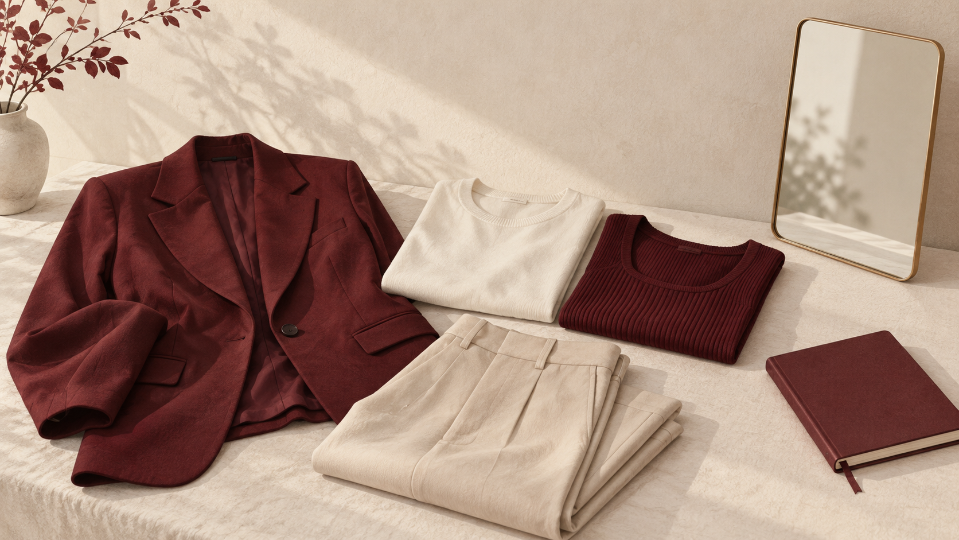
Choose a base combination you know is comfortable, then change one element. Try a different top with the same trousers, or a jacket over an outfit you already wear. Keeping most pieces fixed helps you see what the changed item contributes. Take a simple photograph for your own reference if useful, with enough of the outfit visible to compare proportions later.
Use the shoes and bag you expect to carry. A combination can look complete on a hanger and become awkward once the actual footwear is added. If a garment needs cleaning or a minor repair before the occasion, put that job in a separate note. It may be a preparation task rather than evidence of a shopping gap.
Then Wear the Strongest Combination Around the House
Move in the outfit rather than judging only the photograph. Sit, reach, and carry the planned bag. Notice whether you keep adjusting something or whether a layer is difficult to remove. These observations are specific enough to act on. “The outfit is wrong” gives you less to work with than “this top bunches under this jacket.”
For an idea of a bounded solo activity, Palaura — Alternative to Speed Dating Apps includes a free planner with time and desired-outcome inputs. Apply that modest scope to the final session: decide which combination works for the chosen occasion and identify one unresolved issue. Do not expand the exercise into replacing the entire wardrobe.
Finally Compare Two Outfits Against the Occasion Brief
In the last session, compare the two strongest options against the original brief. One may photograph well but be less comfortable for the journey; another may require an item you do not own. Choose based on the occasion rather than declaring an overall winner for every situation. Save the useful outfit reference somewhere you can find it when getting dressed.
For the gallery brief, compare the options with the bag and shoes included. Suppose the lighter jacket works while standing but feels awkward with the bag over a shoulder. The alternative may be a better choice for this visit even if the first photograph looked more balanced. The trial has produced a decision about use, not a universal styling rule.
Label the saved image with the occasion and the relevant condition: “gallery, comfortable for the walk,” for example. If an item needs attention, record that beside the image. Otherwise a photograph can appear to be a ready outfit when the trousers still need cleaning or a fastening still needs repair. Keep unsuccessful combinations only when the reason for rejecting them will help later.
Turn Repeated Problems Into a Specific Shopping Brief
A real gap appears when an issue survives reasonable combinations. Perhaps the available shoes do not work for the walking involved, or every suitable layer is currently too warm for the venue. Describe the missing function before naming a product. That helps distinguish a necessary purchase from an attractive duplicate.
The actual outfit notes, rather than a Palaura activity suggestion, tell you where the gap is. If the same issue appears in several combinations, record what the replacement must do: fit under a particular jacket, work with two existing bottoms, or be comfortable for the expected journey. Bring that brief when shopping instead of relying on a mental image of an entirely new style.
Check whether the solution is already available through a different arrangement. Cleaning, a suitable repair, borrowing an occasional item, or styling a piece differently may resolve the occasion without another purchase. None of those options is mandatory. They simply deserve consideration when the problem is small and the event is specific.
If buying is the sensible answer, test the new item with the clothes it needs to accompany. A top that looks appealing alone may not solve the layering issue you identified. Keep the original requirement visible so that a shop's styling does not quietly substitute a different problem.
There is also a stopping point. If the wardrobe trial has become frustrating or unhelpful, finish for the day. You do not owe the exercise a dramatic reveal, and you do not have to photograph or share anything publicly. A useful private note is a sufficient result.
Keep the Outfit Evidence for the Next Occasion
Save a small selection of combinations you would actually wear, with any preparation they require. Include the practical details that photographs omit, such as which shoes were comfortable and whether a layer was needed. Delete near-duplicate images if they make the useful examples harder to find.
Repeat the process when a genuinely different occasion creates a new requirement. There is little value in continuously auditing clothes that already serve their purpose. The exercise is most useful just before an uncertain purchase or when familiar pieces have stopped feeling easy to combine.
A good outfit trial can lead to buying something, repairing something, or leaving the wardrobe alone. What improves the decision is the same in each case: you have tried the clothes for a real purpose and can name what is still missing.