A skincare bottle is part of the experience of using a product. You meet its packaging every time you prepare your morning routine, put a serum away or pack a bag. A container that looks elegant on a shelf can still be awkward to open with wet hands. A pump that feels convenient at home may need a particular locking step before travel. These details deserve attention alongside the label and the formula.
Airless pumps, conventional lotion pumps and droppers offer different ways to get a product out of its container. None is automatically the right choice for every formula or every person. Understanding what each format asks you to do makes it easier to use the product as intended and to describe a problem clearly if something goes wrong.
Start with the whole package
The visible bottle is only one part of a dispensing system. The closure, seals, actuator and internal components also influence how the package behaves. Two bottles with the same stated capacity may have different mechanisms, different instructions and different dispensing characteristics. A familiar shape does not mean that parts can be swapped between them.
Read the instructions supplied with the finished skincare product before opening, unlocking or cleaning anything. Those instructions apply to the combination of formula and packaging you actually bought. A general description of a bottle type is useful background, but it cannot establish how a particular product should be stored or how long it remains suitable for use.
What to expect from an airless pump
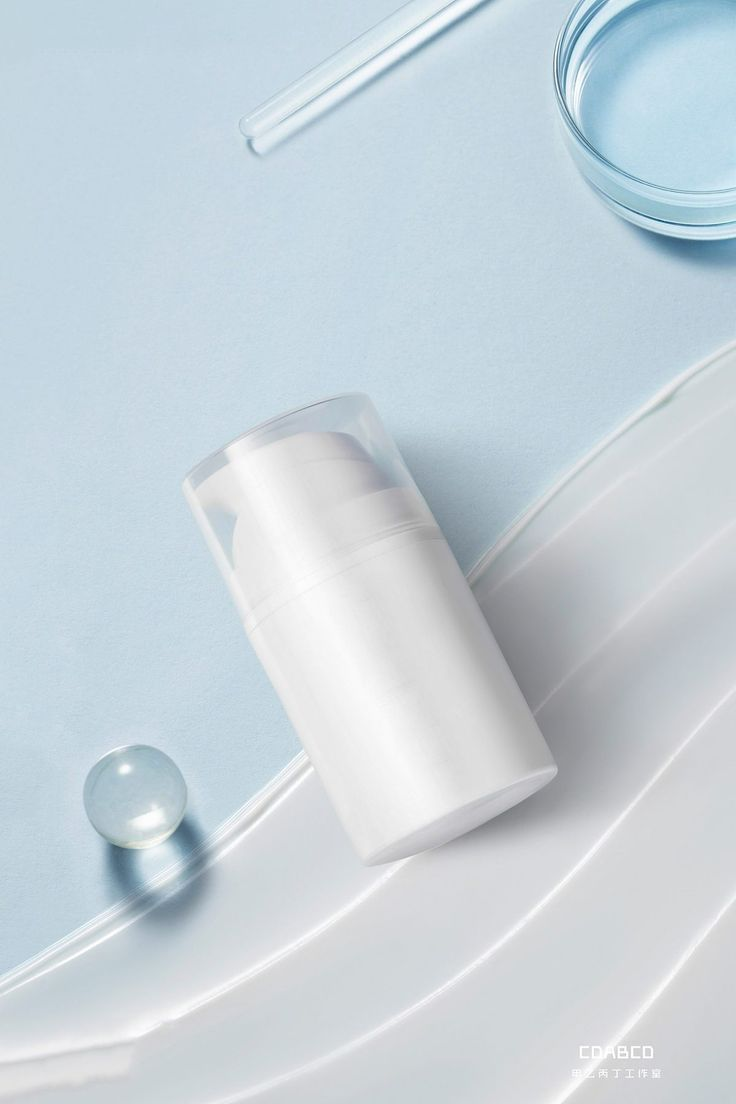
An airless package is designed around dispensing without the conventional arrangement in which replacement air enters the product chamber as a dip-tube pump removes product. Specific designs differ. The word airless alone does not identify every internal component or demonstrate a particular level of protection for the contents.
For the user, the practical interface is usually an actuator that is pressed to dispense product. A new package may require initial presses before product appears. Follow the brand’s priming instructions rather than opening the container to investigate immediately. If dispensing does not begin as described, contact the brand with the product name, batch details and a description of what happens when the actuator is pressed.
Do not assume that an airless label means the formula can ignore its storage directions, remains fresh indefinitely or needs no preservation strategy. Those are questions about the finished product and its supporting evidence. Likewise, a package that looks easy to take apart is not necessarily intended to be refilled at home.
How a conventional lotion pump feels different
Many lotion pumps draw product through a tube inside the bottle. The exact pump and formula combination affects dispensing, so the size of the bottle does not tell you how much one press will deliver. If the brand recommends a measured amount, follow that guidance; counting presses from a different product is not a reliable substitute.
Check whether the pump arrives locked and how it is meant to open. Some designs use a rotating actuator, while others rely on a clip or a separate cover. Retain any transport component that the brand recommends keeping. Before assuming a pump is faulty, make sure you have followed the package’s own opening instructions.
Near the end of a bottle, dispensing may change. Avoid improvising by adding water, moving the contents into an unrelated container or combining the remainder with another product. If the product cannot be dispensed normally, ask the brand how the package should be handled. Clear feedback about the amount remaining and the pump’s behavior is more useful than a guess about the cause.
What changes when you use a dropper
A dropper makes applying small quantities a more deliberate, visible action. It also requires opening the bottle and returning the applicator after use. That routine can suit a person who enjoys careful application, while someone using a product quickly with one hand may prefer a pump.
Use the dropper according to the product instructions and avoid touching its tip to surfaces unnecessarily. Do not assume that a full pipette is the recommended amount, or that a drop has the same volume across different products. The formula and dispenser can differ, and visual similarity does not establish equivalent dosing.
Close the package as directed after each use. If the dropper is damaged or a closure stops fitting properly, seek advice from the brand rather than borrowing a component from another bottle. A replacement that appears to fit may not match the original assembly.
Compare convenience through your own routine
Think about when and where you use the product. Can you comfortably hold the bottle and operate its dispenser? Is the opening instruction easy to follow? Can you identify the product and read its directions when several similar bottles are together? These are practical questions that a product photograph cannot always answer.
For travel, check the brand’s transport guidance and the rules that apply to your journey. A locking actuator may help prevent accidental pressing, but it is not by itself evidence that the complete package will never leak. Keep a closure secure as instructed and consider a separate protective pouch for toiletries. Avoid treating an attractive travel-sized format as a blanket transport guarantee.
Packaging choices begin before the product reaches you
For beauty founders evaluating containers, the useful questions are more specific than which format looks most premium. Ask for the proposed assembly, contact materials, filling instructions and a way to evaluate dispensing with the actual formula. Supplier catalogs such as the Oulete airless bottle range can help identify options to discuss, but a catalog listing is only the starting point for sample selection.
A useful sample review follows the whole routine: opening, initial dispensing, repeated use, closing and handling when little product remains. Write down the conditions and compare complete assemblies. A change to a pump, seal or material should be evaluated rather than assumed equivalent because the outside still looks the same.
Give the empty package the right next step
When the product is finished, follow the brand’s disposal or refill instructions and the collection guidance where you live. Airless, glass, plastic and refillable describe different aspects of a package; none of those words alone establishes a universal disposal route. A refill option should be a system explicitly designed and supported for that purpose.
The most useful packaging choice is one you can operate consistently and understand without guesswork. Look beyond the silhouette, keep the instructions, and judge the container together with the product it was designed to dispense.