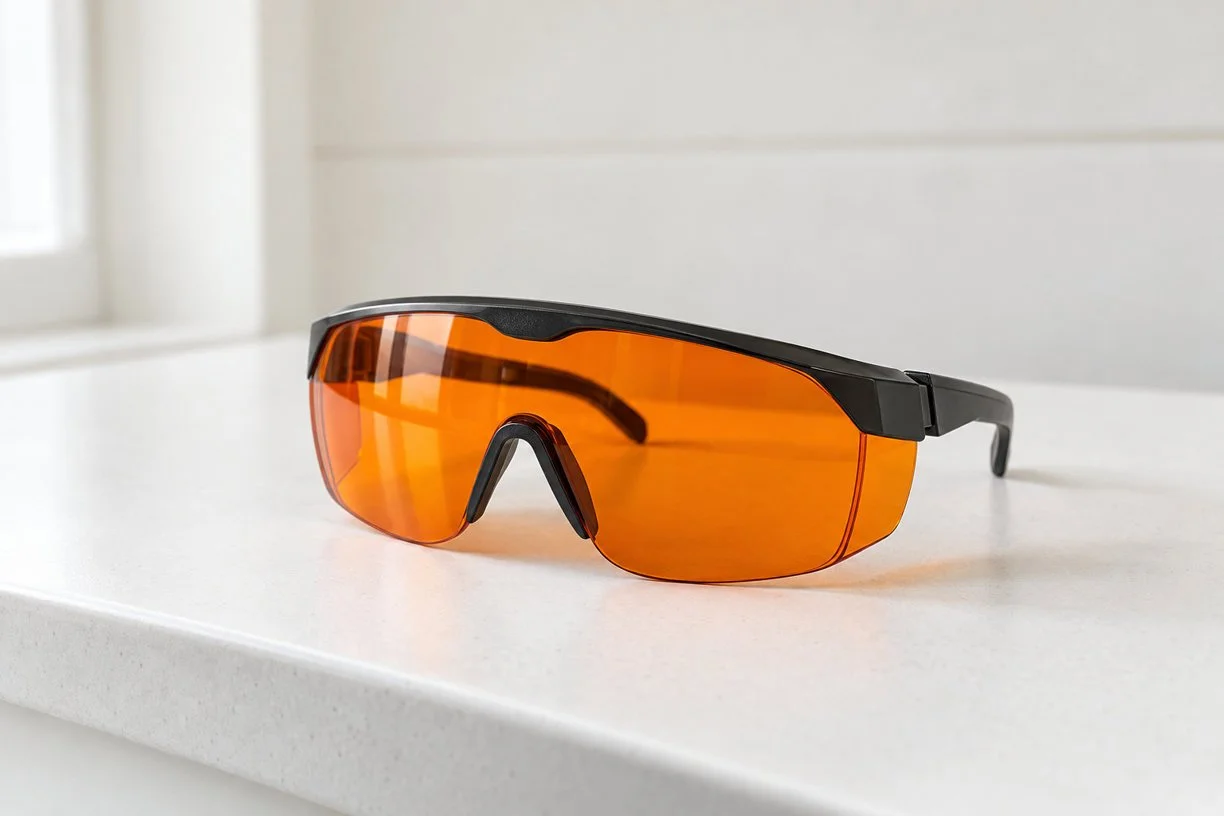
Laser and intense pulsed light (IPL) treatments have become key features in modern skin clinics, addressing issues from uneven tone to unwanted hair. While these devices offer impressive results, protecting your eyes during any procedure is vital. Understanding the differences in safety requirements for various devices ensures that you are both well-informed and well-protected in Aesthetic/Dermatology care.
Light-based cosmetic treatments are now standard practice in dermatology and aesthetic clinics, helping to improve skin clarity, texture, and tone. As clinics expand their offerings, you may encounter a range of devices, including lasers like Alexandrite, Nd:YAG, and diode, along with IPL systems. Each works in a distinct way, and each carries different eye safety considerations. Familiarity with these differences explains why no single pair of glasses provides universal protection. Being aware of eye safety protocols makes you an informed participant in your care and helps ensure the best outcome.
Different energy devices and their light output
Clinics often rely on several categories of equipment: solid-state lasers such as Alexandrite (755 nm), Nd:YAG (1064 nm), diode devices (around 800 nm), and Q-Switch lasers for pigment or tattoo work. These lasers generate a single, focused wavelength known as coherent light, which enables highly targeted skin treatments. In contrast, IPL (intense pulsed light) delivers a broad spectrum of non-coherent light across many wavelengths, making it suitable for a variety of skin issues, including redness, pigmentation, and hair reduction.
The unique light output of each device means the potential for eye injury varies. Laser devices focus their energy in a narrow spectrum that can cause direct retinal damage if proper eyewear is not selected for that specific wavelength. IPL’s wide spectrum presents different hazards and demands its own tailored protection to block the multiple wavelengths emitted. This distinction is crucial when clinics use both types for different procedures in the same facility, particularly in Aesthetic/Dermatology settings.
Why protective eyewear must match the device
The main reason a single pair of glasses cannot provide full coverage is that laser and IPL devices pose separate risks and require different protective filters. For example, goggles made for an Alexandrite laser will not adequately shield against Nd:YAG or IPL, and vice versa. Multi-wavelength filters exist but even these must be carefully chosen to match the devices in use to prevent unintended light exposure. The fit, labeling, and maintenance of eyewear also play an important role, as clinics often switch devices between patients or during a multi-step session.
Both clients and staff require device-appropriate protection with every treatment, but staff members who move between treatment rooms throughout the day need to verify they are always wearing the correct eyewear for each system. Protective strategies in clinics must account for changes in wavelength, procedure settings, and the possibility that multiple machines may be used for one patient. This becomes even more important when procedures target areas near the eye, which increases vulnerability to light exposure.
The essentials of eye protection in real-world practice
Because IPL uses non-coherent light across a range of wavelengths, it requires protective goggles specifically engineered for this spectrum. Using goggles designed for other lasers does not protect against the entire range of light IPL emits, and clinics that offer both lasers and IPL must keep this in mind. Device-specific eyewear is crucial for patient safety, as well as safety of all staff and observers in the room. This is why guidelines recommend labeling eyewear for each device to avoid confusion, including when Q-Switch devices are part of the treatment menu.
For clinics that routinely switch between devices, having multiple pairs of goggles ready and confirming their use for every procedure is essential. This is particularly true for IPL eye protection, where the range of wavelengths can overlap with those of other lasers. The process of changing filters or swapping goggles should be a visible and routine step before activating any device. Proper education, regular equipment checks, and consistent use are some of the most effective ways clinics protect both patients and staff from eye injury.
What high-standard clinics do to stay compliant and safe
Reputable clinics will maintain strict protocols around eye protection, including the use of wavelength-specific protective filters, often as part of their safety compliance checks. Staff should explain to patients what kind of eyewear will be used, how it works for the specific treatment, and ensure that all participants, including assisting personnel, are equipped correctly for each device. Periorbital treatments—procedures near the eyelids or brow—demand even more caution, sometimes using special metal eye shields for added security, especially when Alexandrite or other high-energy systems are selected.
In addition to the right eyewear, providers inquire about medications or products that heighten light sensitivity, such as certain antibiotics or retinoids, before any treatment begins. This same diligence applies to familiar services involving IPL hair removal machines, where device settings and eye protection protocols still need to match the technology in use. Clinics should never rush essential safety steps, like confirming eyewear fit or verifying that filters match the technology in use. When Q-Switch procedures are scheduled alongside other light-based sessions, teams should take extra care to prevent mix-ups in device labeling and eyewear selection. By observing these practices, both patients and staff benefit from a safer environment, and clients can seek care with greater confidence, knowing that their eye health is always a top priority in every type of laser or IPL treatment.