A Knoxville nurse injector explains what a radiofrequency treatment like Everesse does under the skin, who it suits, what a visit feels like, and where surgery is still the honest answer.
By Sarah Hitchcox, RN, BSN
Most of the women who ask me about skin tightening noticed the same thing. They were washing their face or putting on makeup, and the skin along the jaw didn't sit where it used to. Nobody comes in because of a big life moment. They come in because of the mirror.
The question they ask is usually some version of "Can you fix this without surgery?" The honest answer is sometimes. Here's what I tell them about radiofrequency treatment, which is what I use in my practice, and how I decide whether it fits.
What radiofrequency actually does
Radiofrequency skin tightening delivers controlled heat below the surface of the skin. The device I use, Everesse, warms the deeper layer of the skin, the dermis, while actively cooling the top layer, so the surface stays comfortable the whole time.
That heat is the whole point. The explanation behind the treatment is that warming the dermis prompts the body to remodel its own collagen over the following weeks and months. New collagen matures slowly, which is why nothing about this treatment is instant.
I want to be careful here, because I'm a nurse. The heat and the cooling are what the machine does. The collagen stimulation is how the result is explained. What you see in your own mirror depends on your skin, your age and how much laxity you started with, and I can't promise anyone a specific result.
Who it suits, and who it doesn't
The best candidates are adults with mild to moderate laxity. That's the woman whose cheeks have started to drift, whose jawline has softened, or whose neck looks crepey in certain light. The treatment can be used on the face, including the cheeks and the folds beside the nose, on the jawline, the neck and the area around the eyes, and on the body, including loose skin on the abdomen after weight loss or pregnancy.
Some situations change the plan. If you're pregnant, have an active infection, have an implanted electronic device, or have had filler recently in the area we'd treat, I'll adjust the timing or suggest something else. It's the same screening I'd want done on me.
Then there's the conversation I have most often. A lot of women want facelift results for a fraction of the money, and part of my job is to bring the plan back down to earth. If the laxity is more than moderate, radiofrequency can firm what's there, but it can't lift and reposition skin the way a surgeon can. I'd rather say that in the consultation than have you disappointed twelve weeks later.
What a visit is like
Everesse always starts with a consultation. In the emergency department, I assessed every patient from the chief complaint, their vital signs, and what they told me about their pain. I don't read faces like a chart. I ask what bothers you, I look at the area, and we talk about whether this treatment is the right tool for it.
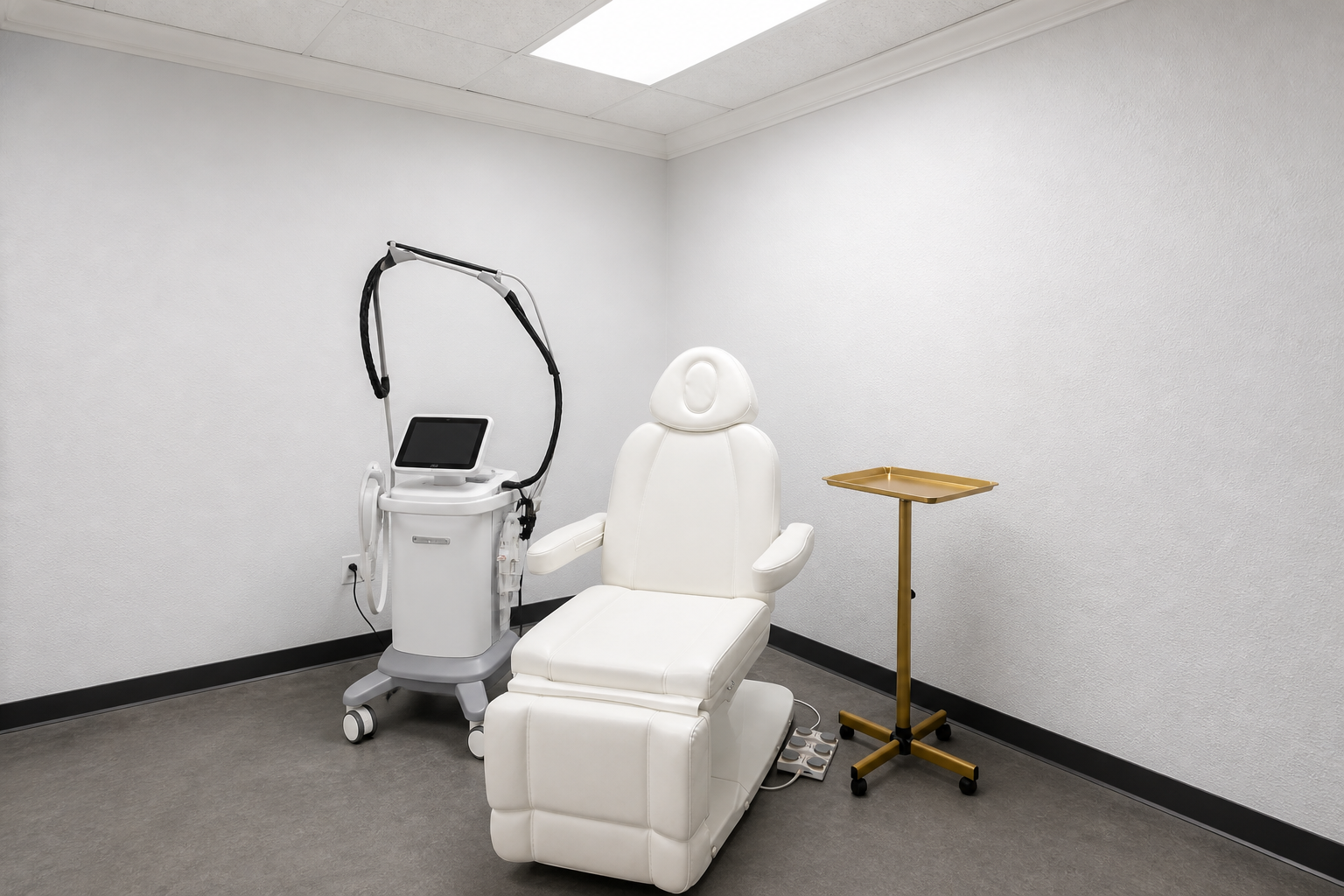
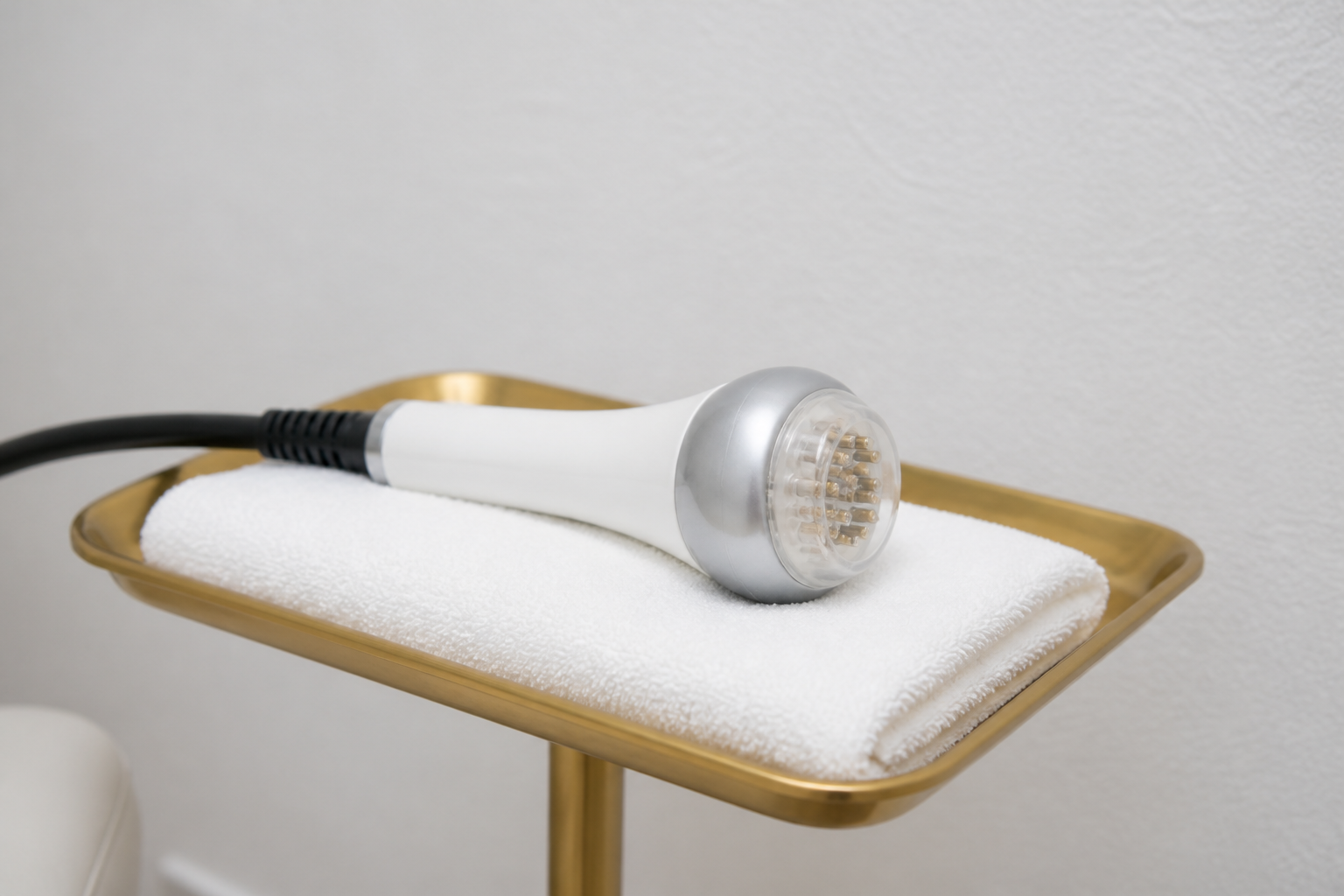
The treatment room is plain. There's a white reclining chair, a tray stand, and the device on a wheeled cart with a screen and a handpiece. You lie back. The handpiece moves over the area, and most people describe the sensation as warmth with brief pulses of heat. Because the surface is cooled as we go, anesthetic is usually unnecessary.
Afterward, you may have mild redness or puffiness, and that typically settles within hours. Makeup is usually fine the next day. Most people go straight back to their day. There's no bandage and nothing to hide.
How many sessions, and when you'll notice
A plan runs one to three sessions, spaced four to six weeks apart, depending on your goals and where your skin starts. Some early tightening may show in two to four weeks. The peak comes around twelve weeks, as the new collagen matures. Results vary with age and lifestyle, and maintenance sessions can help sustain them.
It helps to take a photo in the same bathroom light before the first session. Changes that build over three months are easy to miss day to day, and a photo keeps you honest in both directions.
How it differs from surgery
A facelift works through incisions, and it comes with anesthesia and real recovery time. It can do more for advanced laxity than any energy device, and I say so when that's what I see. Radiofrequency makes no cuts. It works with the collagen you already have and asks your body to do the rebuilding. The trade is a more modest change in exchange for no downtime and no scars.
Where it lands well is the middle: skin that's starting to slip but isn't ready for surgery, or someone who simply doesn't want an operation. If that sounds like you, you can read more about Everesse skin tightening in Knoxville (https://hitchcoxaesthetics.com/everesse) on my practice site before you book anything.
Where it fits in a bigger plan
Skin tightening doesn't live alone. In my practice we often pair it with other work. Someone who has lost weight may add tightening for laxity and a wrinkle relaxer to refresh the face. For that side of things I run a separate, Botox-focused practice in Knoxville (https://botoxknoxvilletn.com/) at the same offices. We sometimes improve skin texture with microneedling or laser before any injectables.
Order matters, and so does timing. Filler in an area we plan to tighten changes when we can treat it, so tell your provider everything you've had done, even if it was somewhere else.
The honest summary
Wanting to look rested and presentable isn't vanity. Vanity is putting too much focus on appearance. Fixing a loose jawline that bothers you every morning is just taking care of yourself.
Done well, this work complements your natural beauty. Radiofrequency tightening is one tool for that. It suits mild to moderate laxity, and it's slow by design. If that matches what you see in the mirror, it's worth a consultation. If it doesn't, a good provider will tell you so.