A good tattoo is designed to last for decades, but that doesn’t necessarily mean it will look exactly the same forever. Your skin naturally changes throughout your life, and factors such as ageing, lifestyle, skincare and exposure to the elements can gradually influence the appearance of a tattoo. Colours may become less vibrant, fine details can soften and areas that receive a lot of sunlight may change more noticeably over time.
Fortunately, looking after a tattoo doesn’t need to involve an elaborate routine. Once the initial healing period is over, a few sensible habits can become part of your normal skincare routine. Understanding how sunlight affects tattooed skin, knowing when to cover a tattoo and taking care of the surrounding skin can all help you look after the artwork you’ve invested in.
Why Can Tattoos Change Appearance Over Time?
Tattoo ink is placed into the dermis, the layer of skin beneath the epidermis. Depositing pigment at this depth is what allows a tattoo to remain visible long after the initial tattooing process has finished. However, the skin surrounding that pigment is still living tissue and continues to change throughout your lifetime. As the years pass, a tattoo may therefore gradually look different. This doesn’t automatically mean anything has gone wrong with the tattoo. Some change is simply part of having permanent artwork on skin that naturally ages. The original application, tattoo style, colours, placement, individual skin characteristics and long-term care can all influence how a piece eventually looks. Environmental exposure is another factor worth considering. Tattoos on areas such as the hands, forearms, shoulders and lower legs can spend considerably more time exposed to sunlight than artwork that is normally covered by clothing. This makes sun protection particularly relevant for people who want to keep their tattoos looking their best over the long term.
How Sunlight Can Affect Tattooed Skin
Sunlight contains ultraviolet radiation, commonly discussed in terms of UVA and UVB. These forms of radiation interact with the skin differently, but repeated or excessive UV exposure can contribute to changes in the skin over time. Because a tattoo sits within that skin, changes to the surrounding tissue can also influence how the artwork appears. This doesn’t mean someone with tattoos needs to avoid being outdoors. A more practical approach is to think about tattoo protection in the same way you would think about looking after the rest of your skin. If you’re spending a significant amount of time outside, particularly when the sun is strong, being mindful of how much exposure your tattoo receives can become a straightforward part of your routine.
It’s also worth considering cumulative exposure rather than thinking only about occasional holidays. Someone with a forearm tattoo who works outdoors, for example, may expose that tattoo to considerably more sunlight over several years than somebody whose tattoos are normally underneath clothing. Small everyday habits can therefore be just as relevant as what you do while sitting beside a swimming pool for a week.
Fresh Tattoos Require Extra Care
A new tattoo needs to be treated differently from a tattoo that has been fully healed for months or years. Tattooing repeatedly punctures the skin as pigment is deposited, so the area requires time to recover. During this period, the skin can be tender and sensitive, and the tattoo artist should provide specific instructions explaining how they recommend caring for the area. Those instructions should take priority over generic advice found online. Direct sunlight is generally something you’ll want to be cautious about while a tattoo is healing, and physically keeping the area out of strong sunlight can often be simpler than experimenting with different products on freshly tattooed skin. Depending on the location of the tattoo, suitable loose clothing may provide a convenient way to keep the area covered. Patience is particularly important during this stage. A new tattoo can look fantastic immediately after an appointment, but the skin still has a healing process to complete. Giving it adequate time to settle before returning to your usual activities can make aftercare much easier. If you’re uncertain about how your tattoo is healing or whether a particular product is appropriate, speak to your tattoo artist or an appropriate healthcare professional.
Sunscreen and Healed Tattoos
For established tattoos, sunscreen is one of the simplest additions to a long-term tattoo-care routine. The same general principles used for protecting exposed skin can also be applied to tattooed areas, particularly when your tattoos are regularly exposed to strong sunlight. How much attention a tattoo needs can also depend on where it sits on the body. A forearm, hand or shoulder tattoo may be exposed almost every time you head outdoors, while artwork across the back, chest or upper leg might spend most of the year underneath clothing. It is worth thinking about your own routine rather than treating every tattoo in exactly the same way. Someone who works outdoors, exercises outside or regularly travels to warmer climates, for example, may need to pay closer attention to exposed tattooed areas than someone whose tattoos are usually covered.
Another important consideration is reapplication. Sunscreen applied before leaving home isn’t necessarily going to provide the same level of protection throughout an entire day, particularly if you’re swimming, exercising, sweating or repeatedly rubbing the area with clothing or towels. Following the directions provided with the sunscreen you’re using is therefore important.
Clothing Can Be a Simple Solution
Sunscreen tends to receive most of the attention when people discuss protecting tattoos from sunlight, but clothing is often one of the easiest options available. If a tattoo is covered, you don’t have to think about repeatedly applying products directly over a large area of skin. This can be particularly convenient for people with sleeves, back pieces, leg tattoos or extensive collections. Lightweight clothing can make spending time outdoors much easier without turning tattoo maintenance into a constant task. The approach can also be useful when travelling, attending outdoor events or spending long days outside. Fresh tattoos are slightly different because tight or abrasive material may irritate the area, so you should continue following the specific aftercare instructions provided by your artist. Once the tattoo has completely healed, however, clothing can form a very straightforward part of your long-term approach.
Think Ahead Before Getting Your Next Tattoo
Good tattoo care can begin before you even sit in the artist’s chair. Placement is one consideration that’s easily overlooked when choosing a design. Tattoos on frequently exposed areas may naturally encounter more sunlight than artwork placed somewhere that normally remains covered.
That doesn’t mean you should avoid tattooing your arms, hands or legs. It simply means it’s useful to understand that different placements can require different levels of attention over the years. If you spend most of your working day outside, for example, a large forearm tattoo may become part of your everyday sun-protection routine. Timing your appointment can also make life considerably easier. Getting a large new tattoo immediately before a beach holiday, swimming trip or week of outdoor activities may create unnecessary complications because the skin still needs time to heal. Planning ahead gives you the opportunity to enjoy both the tattoo and your other activities without trying to rush the healing process.
Preparing for the Tattoo Appointment
People often concentrate heavily on aftercare, but preparation before an appointment can also contribute to a better overall experience. Choosing an experienced artist whose work you genuinely like should always be one of the first priorities. You should also understand roughly what the session will involve, particularly when booking a larger or more detailed piece that could take several hours.
Discomfort is naturally another consideration for some clients. Tattoo experiences vary considerably depending on the individual, tattoo placement, session length and other factors, and products such as a Numbing Cream are something some people choose to research before their appointment. Taking some time to understand your options beforehand can help you arrive at your session feeling better prepared and knowing what to expect.
Don’t Overcomplicate Long-Term Tattoo Care
Once a tattoo has completely healed, looking after it doesn’t necessarily require an expensive collection of specialist tattoo products. Basic skincare habits can make a noticeable difference to how the skin itself looks and feels. Dry or flaky skin can temporarily make tattooed areas appear dull, so keeping the skin comfortably moisturised can help the surface look healthier and allow the artwork underneath to present at its best. A gentle moisturiser that works well with your skin may be perfectly adequate for everyday care. Adding more creams or cosmetic products isn’t necessarily the answer when something doesn’t seem right, and professional advice should be sought when appropriate.
Do Different Tattoo Colours Age Differently?
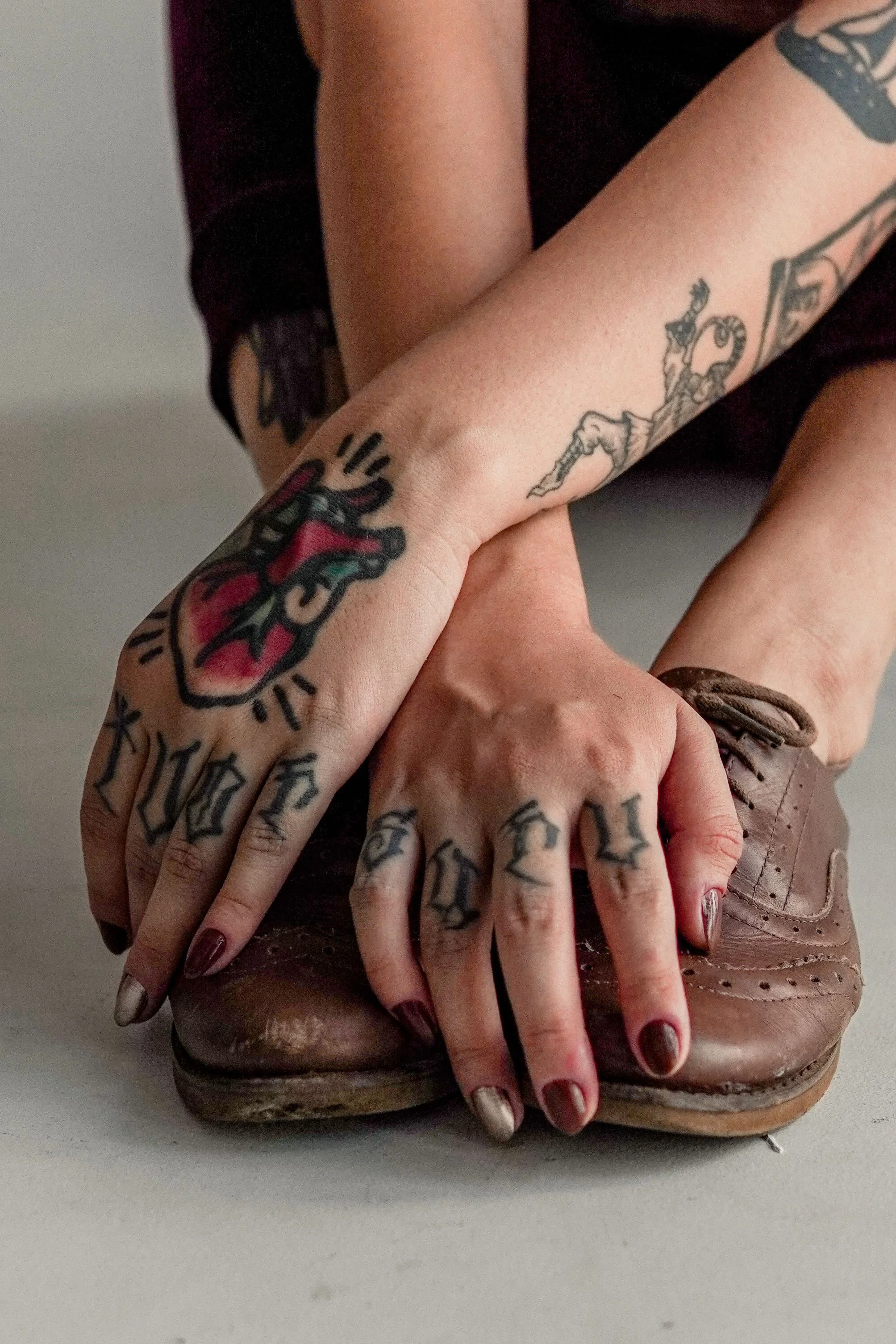
People with multiple tattoos may notice that different designs don’t always appear to age in exactly the same way. This isn’t surprising when you consider how different tattoo styles can be. A large traditional piece with heavy black outlines has very different visual characteristics from a small fine-line design or a tattoo made predominantly from subtle colours. The visibility of any change can therefore vary according to the design, contrast, pigment, placement and individual skin. Rather than worrying about whether one particular colour will last for a specific number of years, a more practical approach is to look after the entire tattoo and the surrounding skin consistently. If an older tattoo eventually loses some of the appearance you originally loved, it may also be possible to speak with an experienced tattoo artist about a professional touch-up. Not every tattoo will need one, but an artist can assess the existing piece and explain what may realistically be achievable.
What About Sunbeds and Tanning?
Anyone interested in maintaining the appearance of their skin and tattoos should also think about artificial sources of ultraviolet exposure. Sunbeds expose the skin to UV radiation, so using them isn’t a way to avoid the considerations associated with natural sunlight.
From a tattoo-care perspective, deliberately increasing UV exposure doesn’t offer an obvious advantage when the aim is to preserve the appearance of the skin containing your artwork. People who enjoy the appearance of a tan may choose to investigate UV-free cosmetic alternatives instead, although it’s still important to make sure any product you’re using is suitable for your skin. You should also avoid treating a newly tattooed area as though it’s normal, fully healed skin. Give the tattoo enough time to recover and follow the artist’s instructions before introducing additional cosmetic products.
Can You Completely Stop a Tattoo From Fading?
Probably not. Tattoos exist within living skin, and living skin changes over time. Even a beautifully executed tattoo that receives excellent care may look somewhat different after ten, twenty or thirty years. The goal therefore shouldn’t be to keep a tattoo completely unchanged forever. A more realistic approach is to create good conditions for the tattoo to age naturally. Choosing a reputable artist, following appropriate aftercare, allowing the tattoo to heal properly and looking after the skin over the following years can all form part of that approach. The good news is that none of this needs to become an obsession. Most long-term tattoo care comes down to sensible habits that can easily fit into everyday life.
Building a Simple Tattoo-Care Routine
Once your tattoo has healed, focus on the basics. Keep your skin in good condition, protect exposed tattoos when spending significant time in strong sunlight and consider clothing when covering the area is more convenient. If you use sunscreen, follow the instructions for the particular product rather than assuming one application will necessarily last throughout the day.
Preparation matters when you’re planning another tattoo too. Research the artist, think carefully about placement, understand the expected healing period and try to schedule the appointment at a time when you’ll actually be able to look after the area properly. If the comfort of the tattoo session is one of your concerns, researching Tattoo Numb Cream before your appointment can also help you understand the options available.
Final Thoughts
A tattoo may be permanent, but it’s still part of living skin. Its appearance can gradually evolve as your skin ages and responds to everyday life, which is why long-term tattoo care is less about finding one miracle product and more about developing sensible habits. Protecting tattooed skin from excessive sun exposure, keeping healed skin moisturised, following proper aftercare when a tattoo is new and planning ahead before future appointments can all contribute to a straightforward tattoo-care routine. You don’t need to spend every sunny day worrying about your ink, but a little consideration can go a long way when you’re looking after artwork you may be wearing for the rest of your life.
For anyone currently planning their next piece, preparation is just as important as long-term maintenance. Understanding the tattoo process, choosing an artist carefully and researching products before your appointment can help you go into the experience properly informed.