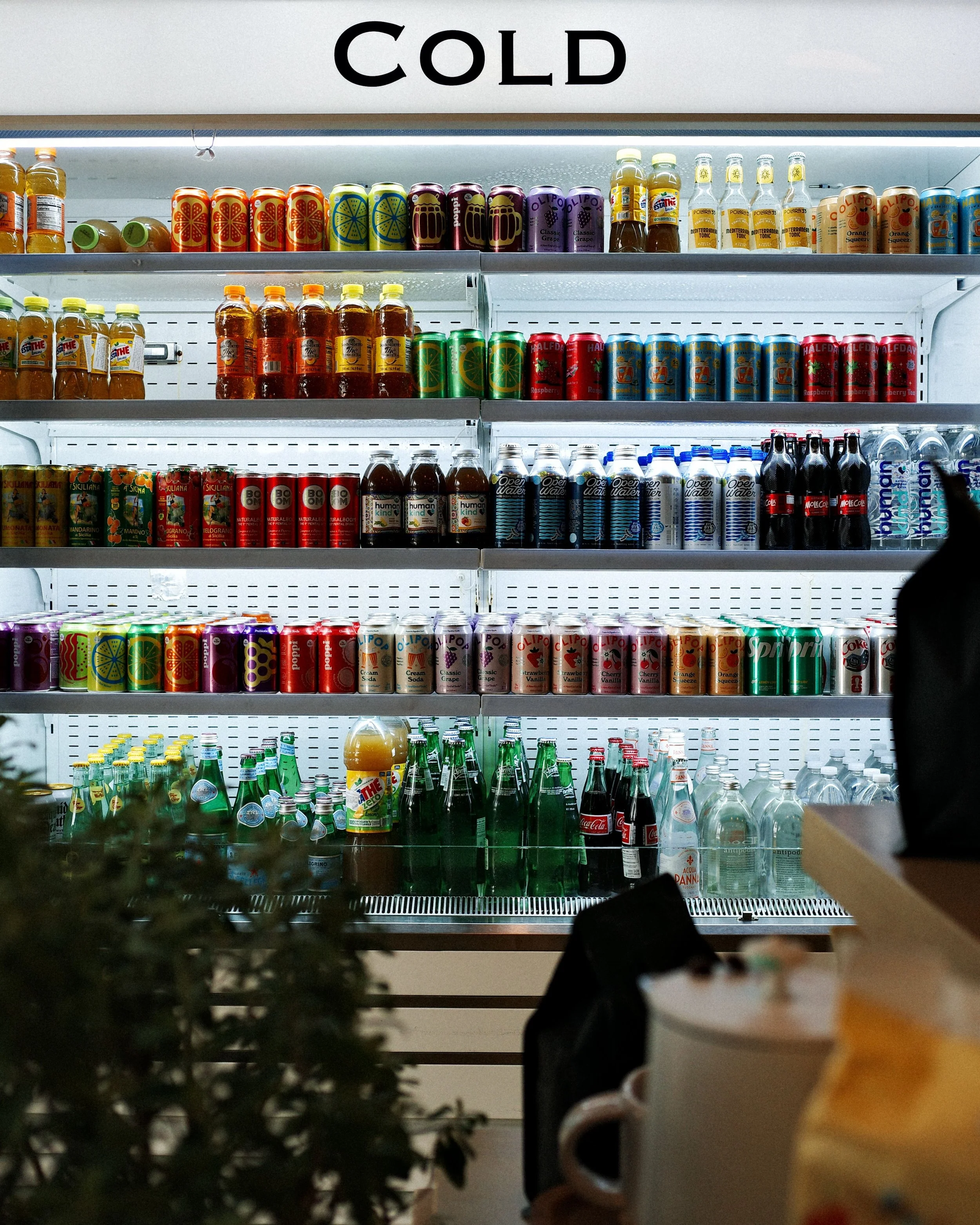
Are your fridges failing or costing too much to run? Commercial refrigeration uses a lot of energy and needs regular care. This post explains types, parts, maintenance, and rules to help you save money and keep food safe.
Keep reading.
Types of Commercial Refrigeration Equipment
Businesses use different types of refrigeration equipment to keep products fresh. Each type serves a unique purpose in food storage and display.
Reach-in Units
Reach-in units fit most commercial kitchens and small retail spaces. They provide consistent temperature control for food preservation and display cases.
Technicians handle installation and refrigerant charging per HVAC codes. Routine maintenance improves cooling systems performance and energy efficiency.
Walk-in Coolers and Freezers
Walk-in coolers and freezers provide large storage for perishable food. Operators set coolers to about 34 to 40°F and freezers to about 0 to -10°F. Units range from small 6x6 rooms to full kitchen-sized systems.
Installers tie the systems into the building HVAC to control humidity and airflow. Proper installation reduces strain on compressors and other refrigeration parts.
Staff must clean coils and check door seals on a schedule. Digital temperature trackers log data for food preservation and compliance. Technicians service compressors, condensers, evaporators, and expansion valves to keep systems running.
Choosing low-GWP refrigerant helps meet environmental standards and cut future retrofit costs.
Prep Tables and Display Cases
After larger cold rooms, businesses rely on prep tables and display cases for day-to-day service. These units keep ingredients and ready foods at safe temperatures for food preservation and quick access.
Prep tables sit in kitchens and use cooling systems to hold salads, sandwiches, and toppings. Display cases show finished items and attract customers while keeping items cold. Staff should monitor temperatures with digital trackers and clean condensers and coils for energy efficiency and long life.
Key Components of a Refrigeration System
A refrigeration system has four main parts that work together. Each part plays a key role in keeping things cool and fresh.
Compressor
The compressor is a key part of the refrigeration system. It pumps refrigerant gas and helps maintain low temperatures in cooling systems. This device compresses the gas, which raises its pressure and temperature before sending it to the condenser.
A well-functioning compressor ensures food preservation by keeping items cold.
Regular maintenance of the compressor is crucial for energy efficiency. Dirty coils or worn parts can lead to increased energy use and breakdowns. Inspecting this component frequently can prevent costly repairs later on.
Proper installation also plays a big role in how well the compressor works, so hiring skilled technicians is important for optimal performance in commercial refrigeration equipment.
Condenser
A condenser is an essential part of a refrigeration system. It helps cool the refrigerant after it leaves the compressor. The refrigerant enters as a gas and exits as a liquid. This process removes heat from the refrigerant, allowing it to flow back into the evaporator to absorb more heat.
Proper maintenance of the condenser boosts energy efficiency and ensures reliable operation. Cleaning dust and debris from its coils improves airflow and cooling performance. Regular inspections can help catch any issues early on before they lead to larger problems in commercial refrigeration systems.
Next, we will look at other key components that make up a refrigeration system, such as the expansion valve and evaporator.
Expansion Valve
The expansion valve is a key part of the refrigeration system. It regulates the flow of refrigerant into the evaporator. This valve lowers pressure and temperature in the refrigerant before it enters the evaporator coil.
A properly functioning expansion valve helps maintain stable temperatures, which is essential for food preservation.
If this valve fails, it can lead to issues in cooling performance. Regular checks and maintenance are essential to ensure that it operates correctly. Monitoring this component contributes to energy efficiency in commercial refrigeration systems.
Next, we will explore the evaporator and its role in cooling systems.
Evaporator
After the expansion valve controls the flow of refrigerant, it enters the evaporator. The evaporator absorbs heat from inside the refrigerator or freezer. This process cools down the air and helps preserve food.
In an evaporator, refrigerant turns from a liquid into a gas as it absorbs heat. It plays a key role in temperature control for commercial refrigeration systems. Proper maintenance of this part is critical for energy efficiency and optimal performance.
Regular checks ensure that your cooling systems run smoothly and keep food fresh longer.
Maintenance Tips for Optimal Performance
To keep refrigeration equipment running well, clean the coils regularly. Check door seals for wear and replace them if needed to maintain temperature.
Cleaning Coils Regularly
Cleaning coils is vital for any refrigeration system. Dirty coils can lead to poor cooling and higher energy costs.
Coils collect dust and debris over time. If they are not cleaned, it reduces efficiency.
Cleaning these coils helps keep the system running smoothly. This means better temperature control for food preservation.
Use a soft brush or vacuum to clean the coils. Avoid using harsh chemicals that could damage the equipment.
Schedule regular cleanings every few months. This routine maintenance improves energy efficiency and extends equipment life.
Check for frost buildup on evaporator coils too. Excess frost can block airflow and lower performance.
Inspect condensate drain lines as you clean the coils. Ensure they are clear to prevent water damage from leaks. For reliable maintenance and quick repairs, many businesses rely on refrigeration service in South Carolina to ensure their equipment stays in optimal condition.
These steps help ensure your commercial refrigeration systems work well and save energy costs over time.
Inspecting and Replacing Door Seals
Door seals play a key role in refrigeration. They keep cold air inside and warm air out. This helps maintain the right temperature for food preservation. Checking and replacing these seals is important for energy efficiency.
Check door seals regularly for wear and tear. Look for cracks, gaps, or signs of damage.
Use a flashlight to spot light shining through the seals. If you see light, the seals need replacement.
Test the seal by closing the door on a piece of paper. If you can pull it out easily, the seal is not tight enough.
Clean the seals with warm, soapy water to remove dirt or grime. A clean seal works better than a dirty one.
Replace damaged or worn-out seals promptly to prevent energy loss. New seals help save money on utility bills.
Choose high-quality materials when purchasing new door seals. They will last longer and perform better than cheap options.
Install new seals according to the manufacturer’s instructions for proper fit and function.
Train staff to handle doors correctly to avoid damaging seals in the first place. Proper use extends seal life and improves performance.
Maintaining door seals is essential for effective cooling systems in any commercial refrigeration setup.
Monitoring Temperatures with Digital Trackers
The right temperature is key for food safety. Digital trackers help monitor this easily. They provide real-time data on temperatures inside refrigeration units. These devices alert users to any changes, helping prevent spoilage.
Businesses can save money and reduce waste with temperature control. Many digital trackers connect to mobile apps or computers for easy access. Some even send alerts directly to your phone if temperatures rise or fall too much.
Monitoring temperatures ensures optimal performance of commercial refrigeration equipment and supports food preservation efforts.
Compliance and Regulations
Businesses must follow rules for refrigeration systems. These rules ensure safety and protect the environment.
Adhering to Environmental Standards
Following environmental standards is essential for businesses that use refrigeration equipment. Many regulations limit harmful emissions from refrigerants. These rules help protect our air and climate.
Businesses must stay informed about these laws to avoid fines and penalties.
Low-GWP (Global Warming Potential) refrigerants are becoming more common. Switching to these alternatives reduces the impact on the environment. This change can improve energy efficiency as well, leading to lower operating costs.
Keeping up with trends in commercial refrigeration helps the planet and supports business growth and reputation.
Transitioning to Low-GWP Refrigerants
Low-GWP refrigerants are better for the environment. GWP stands for Global Warming Potential. These new refrigerants produce less pollution compared to traditional options. Many businesses face rules that push them to make this switch.
Using low-GWP refrigerants can help improve energy efficiency too. This transition might require new equipment or changes in current systems, but it can lead to lower costs in the long run.
Choosing eco-friendly alternatives is not just good practice; it also helps with compliance and supports a healthier planet.
Conclusion
Refrigeration equipment is vital for many businesses. Proper systems help with food preservation and energy efficiency. Regular maintenance keeps these units running well. Businesses should stay updated on regulations and new refrigerants.
Understanding this equipment leads to better choices and savings in the long run.