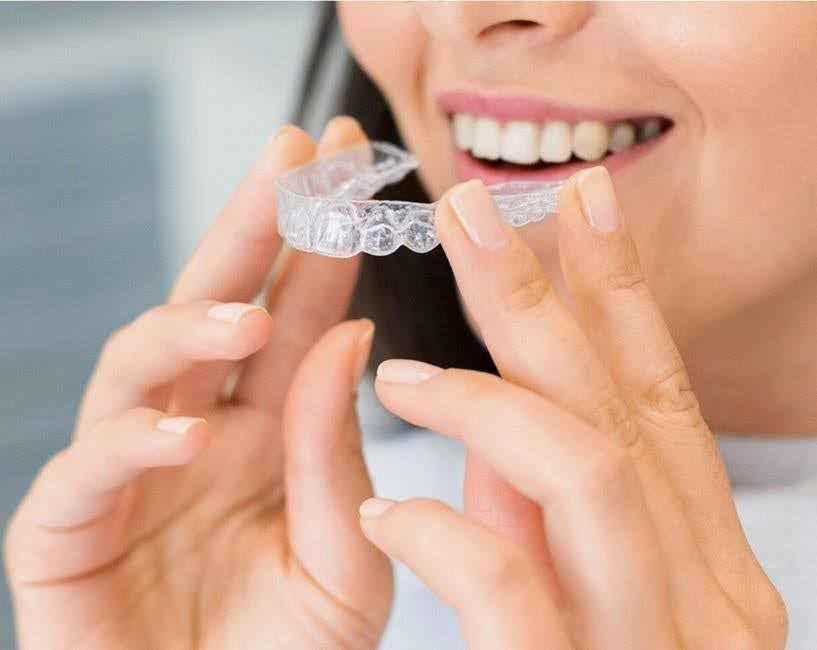
If you’ve been thinking about straightening your teeth without committing to a mouth full of metal, clear aligners probably keep popping up in your feed for good reason. They’re discreet, flexible, and popular with teens and young adults who want results without making every school photo look like a hardware ad. Still, the decision takes more than liking the look. You need to know how they work, who they help, and what daily life with them really feels like.
The Limits and Trade-Offs You Shouldn’t Ignore
Clear aligners are convenient, but convenience can fool people into thinking they’re effortless. They still require structure. If you leave them out too long, treatment can stall. If you lose trays, timelines can shift. If you skip follow-ups, small problems can turn into bigger ones.
They may also be less effective for certain severe bite issues, major rotations, or complicated tooth movement. Some patients need attachments, which are small tooth-colored bumps bonded to the teeth to help the trays grip better. They’re discreet, though not invisible.
Cost can vary based on complexity, provider, and treatment length. Insurance may help in some cases, but not always enough to make the decision painless.
If you’re comparing options, it helps to ask providers specific questions about the treatments available at Miller Orthodontics and similar practices so you understand how clear aligners fit into real orthodontic care.
What Clear Aligners Are and How They Work
Clear aligners are custom-made plastic trays designed to shift your teeth little by little. You wear each set for a set period, usually one to two weeks, before moving to the next one in the series. Each tray applies gentle pressure to specific teeth, guiding them into better alignment over time.
Unlike braces, there are no brackets or wires to adjust. Your orthodontist maps out the treatment plan using digital scans or impressions. That plan shows how your teeth should move from start to finish.
They’re often used to treat crowding, spacing, mild bite issues, and some moderate alignment problems. Complex cases may still need braces or a mix of treatments. The key point: clear aligners aren’t one-size-fits-all. They’re precise tools, not magic plastic.
Who Usually Makes a Good Candidate
Clear aligners work best when your case matches what the trays can realistically handle and when you’re disciplined enough to wear them as directed. That second part matters more than people expect. If you keep taking them out and "forgetting" to put them back in, your teeth won’t cooperate out of sympathy.
Good candidates often include:
- Teens and adults with mild to moderate crowding
- People with small gaps between teeth
- Patients with certain overbites, underbites, or crossbites
- Anyone who wants a less noticeable option than braces
- People committed to wearing aligners 20 to 22 hours a day
Your orthodontist will also check oral health before starting. Cavities, gum inflammation, and untreated dental issues can slow things down. Straightening teeth works better when the foundation is solid.
Daily Life With Aligners Feels Different Than With Braces
One of the biggest reasons people choose aligners is simple: they fit more smoothly into everyday life. You can remove them for meals, so there’s no panic over popcorn, chewy candy, or the terrifying crunch of biting into something you immediately regret.
That flexibility comes with responsibility. Since you take them out to eat and drink anything besides water, you need to brush before putting them back in. If you don’t, trapped food particles and sugar can hang out against your teeth for hours, which is not the kind of loyalty you want.
Speech may feel slightly off for a day or two. A small lisp isn’t unusual at first. Most people adjust quickly.
You’ll also need a case. Wrapping aligners in a napkin during lunch has ended badly for many people. Somewhere, a cafeteria trash can holds secrets.
The Benefits People Notice Most
The obvious benefit is appearance. Clear aligners are much less noticeable than traditional braces, which makes them appealing if you care about photos, presentations, sports, or social events. For many people, that alone makes treatment feel less stressful.
There are also practical advantages:
- No metal brackets rubbing against the inside of your cheeks
- Easier brushing and flossing compared with braces
- Fewer food restrictions
- Digital treatment planning that can show projected tooth movement
- Often fewer emergency visits for broken hardware
Comfort can be a mixed bag. Aligners are usually smoother than braces, but each new tray can create pressure for a day or two. That pressure means movement is happening, which is good. It’s annoying, but usually manageable.
A lot of patients also like having a treatment process that feels streamlined and modern rather than bulky and clinical.
What the Treatment Process Usually Looks Like
The process often starts with a consultation. Your orthodontist examines your teeth, bite, jaw alignment, and oral health, then decides whether clear aligners make sense for your case. Digital scans are often used instead of gooey impressions, which is a small but meaningful win for human dignity.
After that, a series of aligners is created based on your treatment plan. You’ll wear each set in order and visit your provider periodically so they can track progress and make adjustments if needed.
A typical timeline can range from several months to well over a year. It depends on how much movement your teeth need and how consistently you wear the trays.
At the end, most people need retainers. This part gets ignored way too often. Teeth can shift back if you stop there. Finishing treatment without wearing retainers is like passing the level and unplugging the console.
Smart Questions to Ask Before You Commit
Choosing orthodontic treatment gets easier when you ask direct questions instead of nodding politely and hoping the answers appear later on TikTok. A solid consultation should leave you with fewer mysteries, not more.
Consider asking:
- Is my case a good fit for clear aligners or better for braces?
- How many hours a day do I need to wear them?
- What happens if I lose a tray?
- Will I need attachments or elastics?
- How long is treatment likely to take?
- What does the total cost include?
- How often are follow-up visits scheduled?
- What kind of retainer will I need afterward?
You should also ask about lifestyle details. If you play an instrument, compete in sports, or have a packed school schedule, mention it. Treatment works best when it fits your real life, not an imaginary perfectly organized version of you.