Most people know that dental care is important, but fewer have a clear sense of what it actually costs to keep their teeth in genuinely good shape over time. The expenses are easy to underestimate because they are spread out across years and often feel optional until something goes wrong. A skipped cleaning here, a delayed filling there, and before long you are facing a procedure that costs ten times what prevention would have.
Understanding the real cost of dental maintenance, both the routine expenses and the ones that catch people off guard, makes it easier to plan, budget, and avoid the kind of neglect that becomes expensive in every sense of the word.
The Baseline: What Routine Care Actually Costs
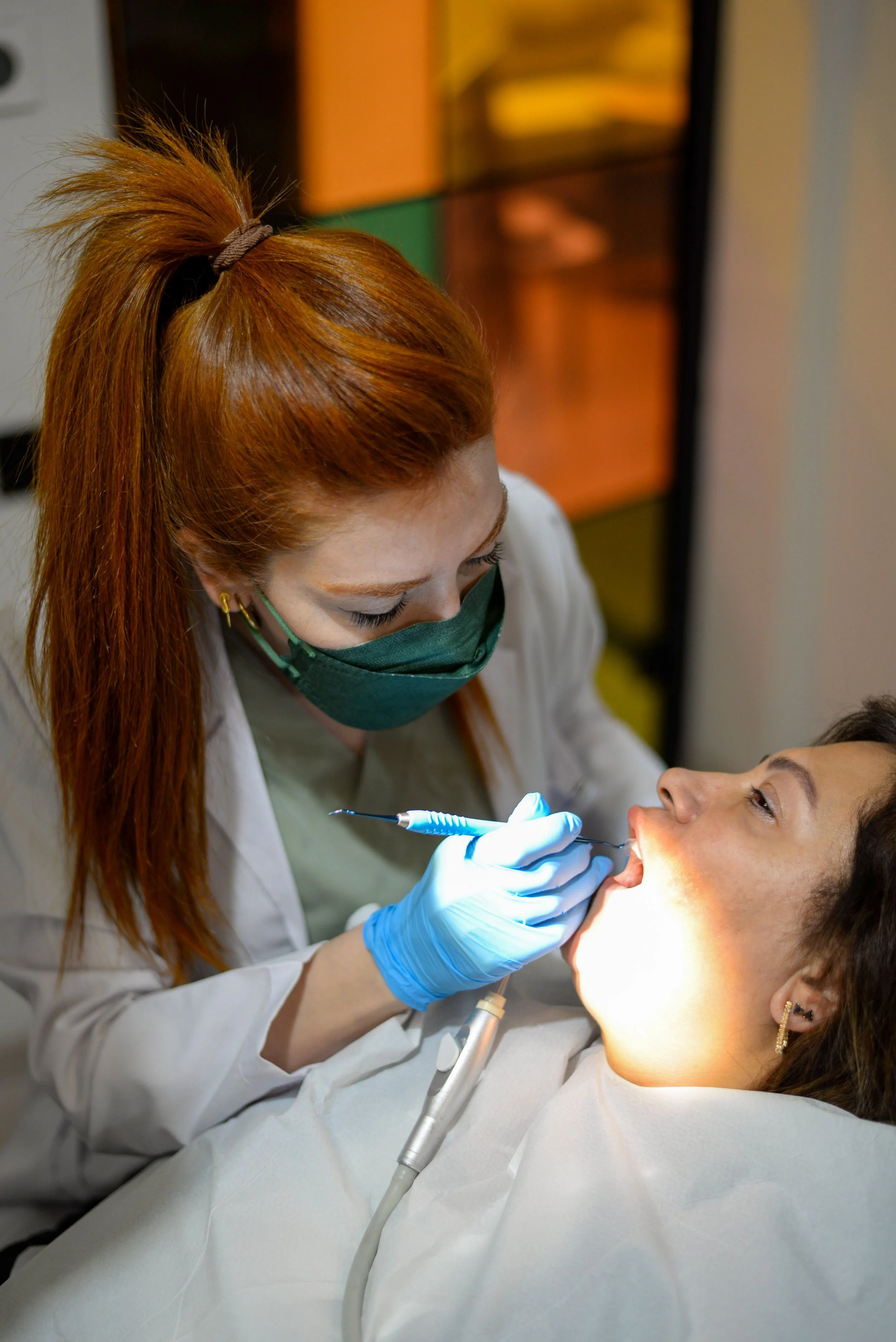
For someone without dental problems, the minimum annual cost of maintaining healthy teeth includes two professional cleanings and two exams per year.
The national average for a routine cleaning runs between $75 and $200 per visit depending on location and provider, and a basic exam adds another $50 to $150. That puts the annual baseline for a healthy adult at roughly $250 to $700 before any X-rays, which are typically recommended once a year and add another $150 to $300 depending on how many are taken.
For families, multiply those numbers by each member. For anyone who has not been to the dentist in a while and needs a deep cleaning rather than a standard prophylaxis, the cost increases significantly. A deep cleaning, also called scaling and root planing, typically runs between $200 and $400 per quadrant, meaning a full mouth treatment can cost $800 to $1,600 or more.
What Happens When Something Goes Wrong
Preventive care is genuinely the cheapest version of dental maintenance. Once something breaks down, the costs climb quickly. A composite filling, which is the tooth-colored kind, averages between $150 and $300 per tooth. A root canal ranges from $700 to $1,500 depending on which tooth is involved, and that typically needs to be followed by a crown, which adds another $1,000 to $1,800. A single implant to replace a lost tooth can run $3,000 to $5,000 or more from start to finish.
More than half of Americans delay or avoid dental care because they can’t afford it, and people without dental coverage are significantly less likely to receive even treatment for gum disease. This means problems are more likely to go undetected until they require more extensive and expensive treatment.
The financial logic of consistent preventive care is straightforward: a $150 filling caught early beats a $3,000 implant by a wide margin.
Cosmetic Care: The Costs Beyond Health
Healthy teeth and beautiful teeth are related but not always the same thing. Many people want more than functional dental health. They want a smile that looks genuinely good, which often means addressing staining, alignment, or the shape and size of individual teeth.
Professional whitening at a dental office runs between $300 and $800 for an in-office treatment, while take-home trays provided by a dentist typically cost $200 to $400. Clear aligner treatment for mild to moderate alignment issues can range from $2,000 to $8,000 depending on complexity and provider. Porcelain veneers, which address color, shape, and minor spacing, average $900 to $2,500 per tooth, and a full smile makeover involving multiple veneers can easily reach $15,000 to $30,000.
These costs are rarely covered by dental insurance, which is worth factoring in when thinking about the total investment in a beautiful smile.
How People Manage the Cost
Not everyone has employer-sponsored dental insurance, and for those who are self-employed, retired, or simply between jobs, paying full price out of pocket for dental care is a real burden. A dental savings plan is one alternative worth understanding. Unlike insurance, these plans charge an annual membership fee and provide discounted rates at participating dentists, typically 10 to 60 percent off standard fees, without waiting periods, annual maximums, or claims to file.
Online platforms that offer access to a wide range of dental savings plans across different providers and price points can make it easier to compare options and find one that works for your location and care needs. For people who need regular dental work but do not have traditional insurance, a savings plan can make the difference between getting care and putting it off.
The Real Cost of Doing Nothing
In practice, the most expensive dental decision most people make is not getting a crown or a veneer. It is avoiding the dentist long enough for a small cavity to become a root canal, or a root canal to become an extraction, or an extraction to create a gap that shifts surrounding teeth over time. Deferred dental care does not save money. It delays the same expenses while allowing them to compound.
Building dental maintenance into your annual budget, whether through insurance, a savings plan, or simply setting aside a realistic amount each year, is one of the more straightforward investments in both your health and your appearance that you can make.
Conclusion
Maintaining healthy, beautiful teeth costs money, but the range is wide depending on how proactive you are and what kind of coverage you have in place. Routine care is manageable. Emergency and restorative care is significantly more expensive.
And cosmetic improvements come at a premium that most insurance will not touch. Knowing the numbers upfront makes it easier to plan for dental care as a real part of your health budget rather than a cost you figure out only when something goes wrong.