Longevity has become one of wellness’s biggest conversations. From hormone optimization and advanced testing to peptides, wearables and an ever-growing world of supplements, consumers have more options than ever when it comes to thinking about how they want to feel, function and age.
But more options do not necessarily mean better health.
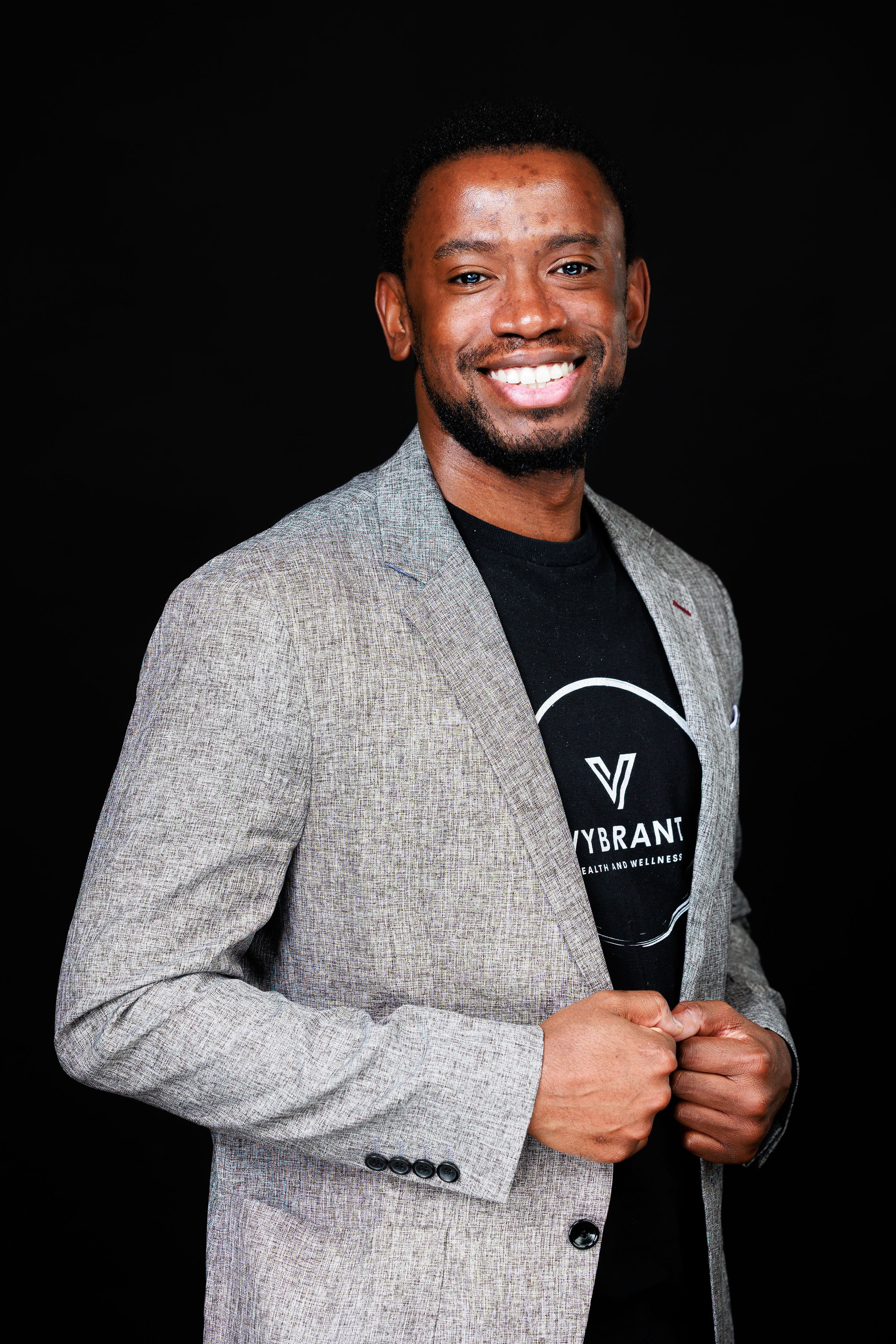
For Alfred Tetteh, MSN, FNP-C, founder and clinical director of Vybrant Health and Wellness, the more important question is whether those choices are actually appropriate for the individual.
As a board-certified family nurse practitioner, Alfred’s clinical focus includes hormone replacement therapy for men and women, thyroid health, gut health, metabolic health, medical weight loss, peptide therapy, cellular health, recovery optimization and functional wellness. He earned his Master of Science in Nursing from Wilmington University and has practiced as a family nurse practitioner since 2019.
His approach to longevity is less about chasing the newest wellness trend and more about understanding the individual through objective data, clinical context and sustainable lifestyle strategies.
“Modern biohacking should not be about chasing trends or doing everything that sounds advanced.”
That philosophy offers a useful counterpoint to the increasingly complicated world of online wellness, where the newest supplement, therapy or protocol can quickly become the next must-try solution.
For Alfred, modern biohacking is ultimately about using information intelligently.
What Modern Biohacking Really Means
The term biohacking can mean different things to different people. For some, it may involve technology and wearable devices. For others, it may mean supplements, nutrition strategies, recovery tools or emerging therapies.
Alfred’s definition is more grounded.
He views modern biohacking as “using objective data, clinical context, and personalized lifestyle strategies” to help people improve energy, metabolism, performance, recovery and long-term health.
That emphasis on personalization is central to his philosophy. Rather than assuming that the same approach will work for everyone, Alfred believes health decisions should be informed by the individual's physiology, goals and relevant health data.
That can make the longevity conversation much more practical.
Instead of asking what everyone else is taking or doing, the better question becomes: What does this particular body need?
The Basics Still Matter
For all the excitement around emerging longevity therapies, Alfred does not believe the fundamentals have become obsolete.
Quite the opposite.
He identifies sleep, strength training, protein intake, stress regulation, gut health, hormone balance and metabolic function as foundational pieces of health.
The difference today is that people have greater access to information about their own bodies.
“The foundation still matters: sleep, strength training, protein intake, stress regulation, gut health, hormone balance, and metabolic function,” says Alfred.
At the same time, he believes better access to biomarkers and health testing can make it possible to personalize care rather than simply guess at what might be happening.
Depending on the individual and the clinical question, that information may include thyroid markers, sex hormones, insulin, inflammatory markers, nutrient levels, gut testing and body composition data.
These measurements can provide additional context when someone is experiencing fatigue, struggling with weight, dealing with poor recovery or simply feeling that their health and performance are not where they want them to be.
The point is not that every person needs every test. Rather, Alfred's approach emphasizes understanding the available information within the larger context of the individual.
Why Hormones Belong in the Longevity Conversation
Hormones are an important part of Alfred’s clinical focus, including hormone replacement therapy for both men and women.
For women in particular, he believes conversations around longevity need to account for the changes that can occur during perimenopause and menopause, as well as the relationship between hormones, muscle preservation, thyroid health, insulin sensitivity and inflammation.
“For women especially, longevity needs to be discussed through the lens of hormones, perimenopause, menopause, muscle preservation, thyroid health, insulin sensitivity, and inflammation.”
That perspective recognizes that healthy aging is not simply about adding more years. It is also about understanding how the body changes and identifying the areas that may deserve greater attention at different stages of life.
For women navigating midlife, that can mean taking a closer look at the intersection of hormonal health, metabolic function, strength and overall wellbeing rather than viewing any one symptom in isolation.
It is also one reason personalized care can be especially relevant during this stage of life. The same symptom may have different contributing factors in different people, making context and appropriate evaluation important.
Metabolic Health Goes Beyond the Scale
Weight is often one of the most visible aspects of health, but Alfred’s broader clinical focus on metabolic health points to a much larger conversation.
Metabolism intersects with energy, body composition, physical performance and long-term health. Muscle preservation and strength training are also particularly relevant to healthy aging, making the goal more nuanced than simply pursuing a lower number on the scale.
Alfred's clinical focus includes metabolic health and medical weight loss, alongside hormone health, thyroid health, gut health and functional wellness.
That combination reflects his larger philosophy: health concerns rarely exist in neat categories.
Someone struggling with weight, for example, may also be dealing with questions around hormones, metabolic function, sleep, nutrition, stress, recovery or other aspects of their health. Understanding the broader picture can help create a more individualized approach.
Peptide Therapy: Part of a Bigger Picture
Peptide therapy is another area of growing interest within longevity and wellness circles, and it is among Alfred's areas of clinical focus.
But his overall approach to biohacking provides important context for how emerging therapies fit into his philosophy.
Rather than allowing a single therapy to become the entire strategy, Alfred emphasizes the broader foundation of sleep, strength training, protein intake, stress regulation, gut health, hormone balance and metabolic function.
That is an important distinction in an environment where social media can make individual therapies appear like universal solutions.
Alfred specifically encourages readers to think critically about health information coming from sources such as TikTok and Reddit forums. His goal is not to dismiss innovation, but to distinguish evidence-informed, personalized care from treatments or protocols pursued simply because they are trending.
Data Can Change the Conversation
One of the most interesting aspects of Alfred’s approach is the role he gives objective data.
Health testing cannot tell the whole story by itself, but it can add useful information to the clinical picture.
Thyroid markers, sex hormones, insulin, inflammatory markers, nutrient levels, gut testing and body composition data can each offer different pieces of information. When considered alongside an individual's symptoms, goals and broader clinical context, those pieces may help identify areas that deserve attention.
For Alfred, this is where modern longevity care becomes less about guesswork and more about personalization.
“Evidence-based longevity is not about doing more; it is about identifying what the body actually needs and creating a plan that is sustainable, measurable, and clinically appropriate.”
That may be one of the most important ideas in today's longevity conversation.
The pursuit of better health does not have to become an endless checklist of supplements, tests and interventions. More is not automatically better. The value comes from understanding which interventions, lifestyle strategies and areas of care are actually relevant to the person.
Moving Beyond the Wellness Trend Cycle
The internet has made health information more accessible, but it has also created a new challenge: separating useful information from noise.
Longevity trends can move quickly. One month it is a particular supplement; the next it is a new peptide, protocol or optimization strategy.
Alfred's philosophy offers a more measured approach.
He believes modern biohacking should be personalized, evidence-informed and rooted in objective data, rather than driven by trends or social media claims.
That does not mean ignoring innovation. Alfred has pursued additional training and certifications through Elite NP, HRT University and Peptide University and continues to broaden his education in hormone optimization, peptide therapy and longevity-focused care.
Instead, it means putting innovation into context.
A new therapy can be interesting without automatically being appropriate for everyone. A popular health strategy can be worth investigating without becoming a prescription for every person. And a laboratory result can be useful without being interpreted in isolation.
That kind of discernment may be increasingly valuable as the longevity industry continues to expand.
Longevity Is About What the Body Actually Needs
Ultimately, Alfred’s approach comes back to a relatively simple principle: longevity care should be individualized.
For some people, the conversation may center on hormones. For others, metabolic health, thyroid function, gut health, recovery, body composition or lifestyle habits may deserve greater attention.
And often, several of these areas overlap.
Alfred believes the goal is not to pursue every possible intervention, but to identify what the body actually needs and build a plan that is sustainable, measurable and clinically appropriate.
That means maintaining the fundamentals while using today's growing access to health data to make those fundamentals more personal.
In a wellness landscape that often rewards complexity, that may be one of the most useful perspectives of all.
Meet Alfred Tetteh, MSN, FNP-C
Alfred Tetteh, MSN, FNP-C, is a board-certified family nurse practitioner and the founder and clinical director of Vybrant Health and Wellness. He earned his Master of Science in Nursing from Wilmington University and has been practicing as a family nurse practitioner since 2019.
His clinical focus includes hormone replacement therapy for men and women, thyroid health, gut health, metabolic health, medical weight loss, cellular health, recovery optimization and functional wellness.
Alfred has completed additional training and certifications through Elite NP, HRT University and Peptide University and continues to expand his education in hormone optimization, peptide therapy and longevity-focused care.
At Vybrant Health and Wellness, his work brings together a range of interests within a personalized approach to hormone, metabolic and longevity-focused care.
For readers interested in learning more about Alfred's approach to personalized wellness and longevity, Vybrant Health and Wellness offers more information about its services and philosophy.
Learn more: Vybranthealthandwellness.com
Alfred Tetteh, MSN, FNP-C
Founder & Clinical Director, Vybrant Health and Wellness
Board-Certified Family Nurse Practitioner
Instagram: @vybranthealth.md
This article is for informational purposes only and is not intended to provide medical advice, diagnosis or treatment. Medical treatments and therapies should be discussed with a qualified healthcare professional who can evaluate an individual's health history, symptoms, medications, laboratory results and specific needs.