What if the secret to healthier-looking skin in midlife has less to do with another serum—and more to do with how you breathe while you sleep?
We tend to think of sleep as the time when our bodies simply rest and recharge. But beneath the surface, nighttime is when some of the body’s most important repair work takes place, including processes that support collagen production, skin barrier function, cellular turnover, and recovery.
For women in perimenopause and menopause, that restorative window can become even more important and potentially more difficult to achieve.
Hormonal changes can affect sleep quality, while declining estrogen and progesterone may also influence the muscles and tissues that help keep the airway open. The result can be a frustrating cycle of fatigue, nighttime waking, morning headaches, dry mouth, snoring, and poor-quality sleep that gets attributed entirely to “the change.”
According to Dr. Max Kerr, DDS, D-ABDSM, a dental sleep medicine clinician and founder of Frontier Sleep & Wellness and Sleep Better Austin in Austin, Texas, the airway deserves a much closer look.
Dr. Kerr specializes in sleep-disordered breathing, including obstructive sleep apnea, with a particular focus on the often-overlooked ways these conditions can present in women.
We connected with Dr. Kerr to explore the connection between breathing, sleep, hormones, and the way midlife can affect both how women feel—and how their skin looks.

Q: From a dental sleep medicine perspective, what is actually happening to the face and skin during fragmented, oxygen-deprived breathing overnight?
Your skin does some of its most important repair work while you sleep. During deep sleep, the body releases growth hormone and increases processes involved in cell turnover, collagen production, and skin-barrier repair.
The problem is that this repair depends on getting enough sustained deep sleep—and disordered breathing can repeatedly interrupt it.
When the airway narrows or collapses, the brain briefly wakes the body to restart breathing. You may have no memory of these awakenings, but they can happen dozens of times an hour. So while you may spend eight hours in bed, you may not be spending enough of that time in the restorative sleep stages your body—and your skin—need.
That makes sleep quality just as important as sleep quantity.
There is another piece: each breathing interruption can cause a temporary drop in blood oxygen, contributing to oxidative stress and inflammation. It can also activate the body's stress response. Chronically elevated cortisol can contribute to collagen breakdown and weaken the skin barrier.
Facial puffiness may be affected as well. Research examining people with sleep apnea has found reductions in facial swelling and redness after treatment, potentially related to healthier overnight fluid balance.
“People spend a fortune trying to fix the symptoms on the surface, when the real problem is that their face never gets a full night of repair. You can’t out-serum a brain that’s being woken up forty times an hour to breathe.”
— Dr. Max Kerr
The takeaway isn't that skincare doesn't matter. It's that skincare and sleep are working on different levels. Your products can support the surface, but they can't replace the biological repair processes that happen when you're actually getting restorative sleep.
Q: We hear so much about topical midlife skincare. How can fragmented, oxygen-deprived sleep accelerate structural aging?
Topical skincare primarily works at the surface. Sleep is when much of the body's deeper structural repair takes place—and there isn't a serum that can substitute for that.
During deep sleep, growth hormone supports collagen production and cellular turnover, processes that help maintain skin firmness and elasticity.
Fragmented sleep can interfere with this in several ways.
First, repeated airway interruptions can reduce the amount of restorative deep sleep you're actually getting, even if you spend eight hours in bed.
Second, repeated drops in overnight oxygen can contribute to oxidative stress, which can damage collagen and elastin—the structural proteins that help support the skin.
Third, disordered breathing can repeatedly activate the stress response. Chronically elevated cortisol can contribute to collagen breakdown while also weakening the skin barrier, potentially increasing moisture loss.
Research has also connected poor sleep with visible signs of skin aging, including more fine lines, reduced elasticity, slower recovery from environmental stressors, and greater moisture loss.
And then there's midlife itself.
As estrogen levels decline during perimenopause and menopause, women are already experiencing changes in collagen and skin structure. That means poor-quality sleep can become one more factor working against the skin at exactly the time women are trying hardest to protect it.
“You can do everything right on the surface and still lose ground, because the real collagen work happens during deep sleep. If your breathing keeps interrupting that, you’re renovating the house while someone quietly weakens the frame.”
— Dr. Max Kerr
Q: How do declining hormones during perimenopause and menopause affect the airway?

This is one of the most interesting—and under-discussed—connections between menopause and sleep.
During a woman's reproductive years, hormones provide important support for nighttime breathing.
Progesterone acts as a respiratory stimulant and helps support the muscle tone involved in keeping the upper airway open. Estrogen also contributes to neuromuscular stability and healthy fat distribution.
One particularly important muscle is the genioglossus, a muscle associated with controlling the position of the tongue and helping maintain airway patency.
As progesterone and estrogen decline through perimenopause and menopause, some of that protective effect is lost. The airway muscles may become less responsive, breathing drive can change, and shifts in body-fat distribution can result in more soft tissue around the neck and throat.
Together, these changes can make the airway more vulnerable to narrowing or collapsing during sleep.
This helps explain why a woman's risk of obstructive sleep apnea rises significantly after menopause, eventually approaching rates seen in men of similar age.
“For decades, a woman’s own hormones are splinting her airway open every night. Menopause removes that splint—right at the moment when every new symptom is being chalked up to ‘the change.’”
— Dr. Max Kerr
That doesn't mean every menopausal woman with fatigue or insomnia has sleep apnea. But it does mean airway health deserves to be part of the conversation, particularly when sleep problems persist.
Q: Fatigue, insomnia, and waking at 3 a.m. are often blamed entirely on menopause. What subtle signs could point to an underlying airway problem?
This is where things get complicated because the symptoms of menopause and sleep-disordered breathing can overlap significantly.
Fatigue, insomnia, nighttime waking, mood changes, and night sweats can occur with both.
There are, however, some clues that may make an airway issue more likely.
Pay attention to the pattern of nighttime waking.
Simply lying awake and being unable to fall asleep can be consistent with insomnia.
But repeatedly jolting awake gasping, choking, or with a racing or pounding heart may suggest your airway is interrupting your sleep.
New or louder snoring matters.
Women don't always fit the stereotypical image of someone with sleep apnea. Snoring may be relatively subtle.
New snoring—or snoring that becomes noticeably louder in midlife—is worth mentioning to a healthcare professional.
Don't overlook your teeth or jaw.
This is one area where a dental professional may notice clues before anyone else does.
Teeth grinding and waking with a sore, tight, or tired jaw can sometimes be associated with airway problems. Jaw clenching may occur as part of the body's reflexive effort to reopen a narrowing airway, and dental professionals may notice tooth wear before a patient realizes there could be a sleep-related cause.
Dry mouth and sore throat can be clues.
Waking with a dry mouth or sore throat may indicate that you're breathing through your mouth during sleep.
Morning headaches deserve attention.
Headaches that are present upon waking and improve as the day progresses can also be a potential sign of disrupted breathing during sleep.
And perhaps the biggest clue: nothing is improving.
If you're addressing menopause symptoms, improving sleep habits, managing your environment, and doing everything you can to improve your rest—but the exhaustion still isn't lifting—it may be time to stop assuming and investigate what is happening with your breathing.
“When the standard menopause playbook isn’t moving the needle on a woman’s exhaustion, that’s not failure—that’s a clue. Often the missing piece is how she’s breathing at night.”
— Dr. Max Kerr
Q: A sleep study can sound intimidating. What does modern at-home sleep testing actually involve?
The image many people have of a sleep study involves a laboratory, wires, electrodes, and spending the night away from home.
For many people, the first step today can be much simpler: a home sleep apnea test.
Depending on the device, a small testing kit may measure airflow through a soft sensor positioned beneath the nose, blood oxygen and heart rate through a fingertip sensor or small ring, and breathing effort through a lightweight band.
Some newer testing devices are remarkably compact.
You take the equipment home, wear it in your own bed, and sleep as normally as possible. The information is then uploaded or returned for interpretation by a qualified sleep physician.
The resulting data can provide an important measurement: essentially, how frequently your breathing is disrupted during sleep and whether the pattern is consistent with sleep apnea.
For readers who love wearable sleep technology, Dr. Kerr offers one important distinction.
A smartwatch or wearable can be useful for screening and awareness, but it shouldn't be confused with a diagnostic sleep study. Some newer Apple and Samsung devices include FDA-cleared features designed to identify signs that may be associated with sleep apnea, but these tools are not a substitute for formal diagnosis and can miss milder cases.
If your watch or ring raises a concern, consider it a reason to investigate—not a diagnosis in itself.
“Testing today can be as simple as wearing a small device in your own bed for one night. The hardest part isn’t the test—it’s deciding the fatigue is worth explaining.”
— Dr. Max Kerr
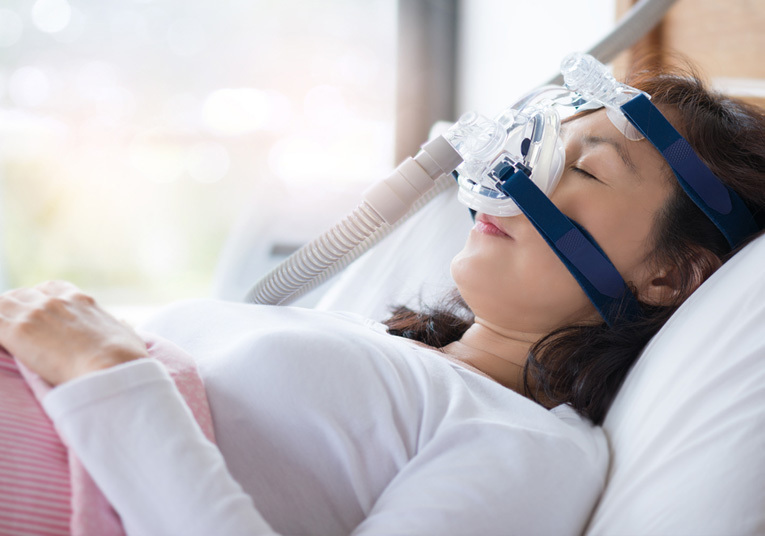
Q: For women who are intimidated by CPAP, how does custom oral appliance therapy work?
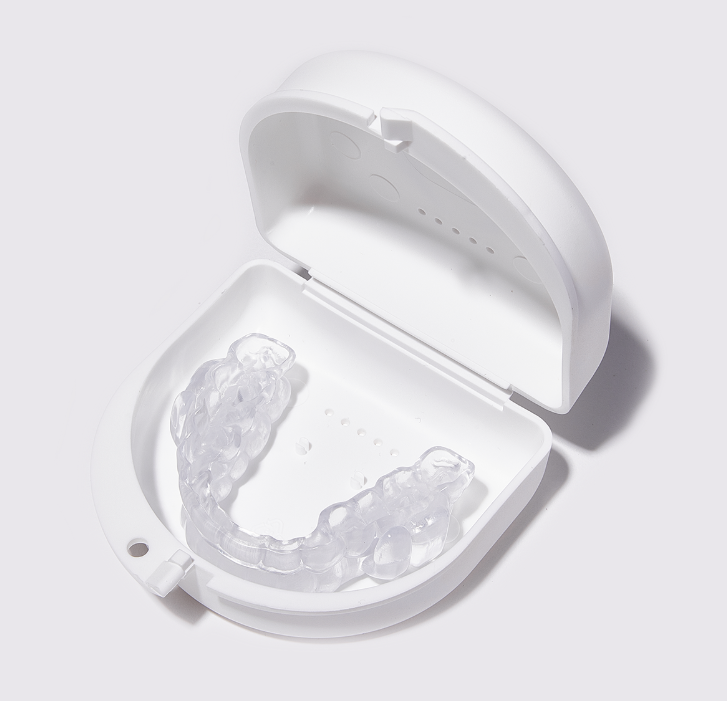
CPAP remains an important and effective treatment for obstructive sleep apnea, but it isn't the only option.
For appropriate patients—particularly those with mild to moderate obstructive sleep apnea, as well as some patients who have difficulty tolerating CPAP—custom oral appliance therapy can provide a quieter, more portable alternative.
The device is custom-fitted by a dentist trained in dental sleep medicine and is worn during sleep, somewhat like a retainer.
Instead of using a mask and pressurized air, the appliance gently positions the lower jaw forward to help maintain an open airway.
There is no hose, no electricity, and no machine humming beside the bed.
And for women who travel frequently, the portability can be a major advantage. The appliance fits into a small case and can easily travel in a carry-on or makeup bag.
But Dr. Kerr emphasizes an important distinction: this isn't the same thing as purchasing a generic mouthguard from a drugstore.
A therapeutic oral appliance is a medical device that should be appropriately prescribed, fitted, and monitored by a qualified clinician. Proper testing is also important so that the underlying condition is identified and the treatment is appropriate.
“The most effective treatment is the one that doesn’t get abandoned in a drawer. For many women, that turns out not to be a machine and a mask, but a small custom device that fits in a makeup bag and goes completely unnoticed.”
— Dr. Max Kerr
The Beauty Takeaway: Don't Separate Your Skin From Your Sleep
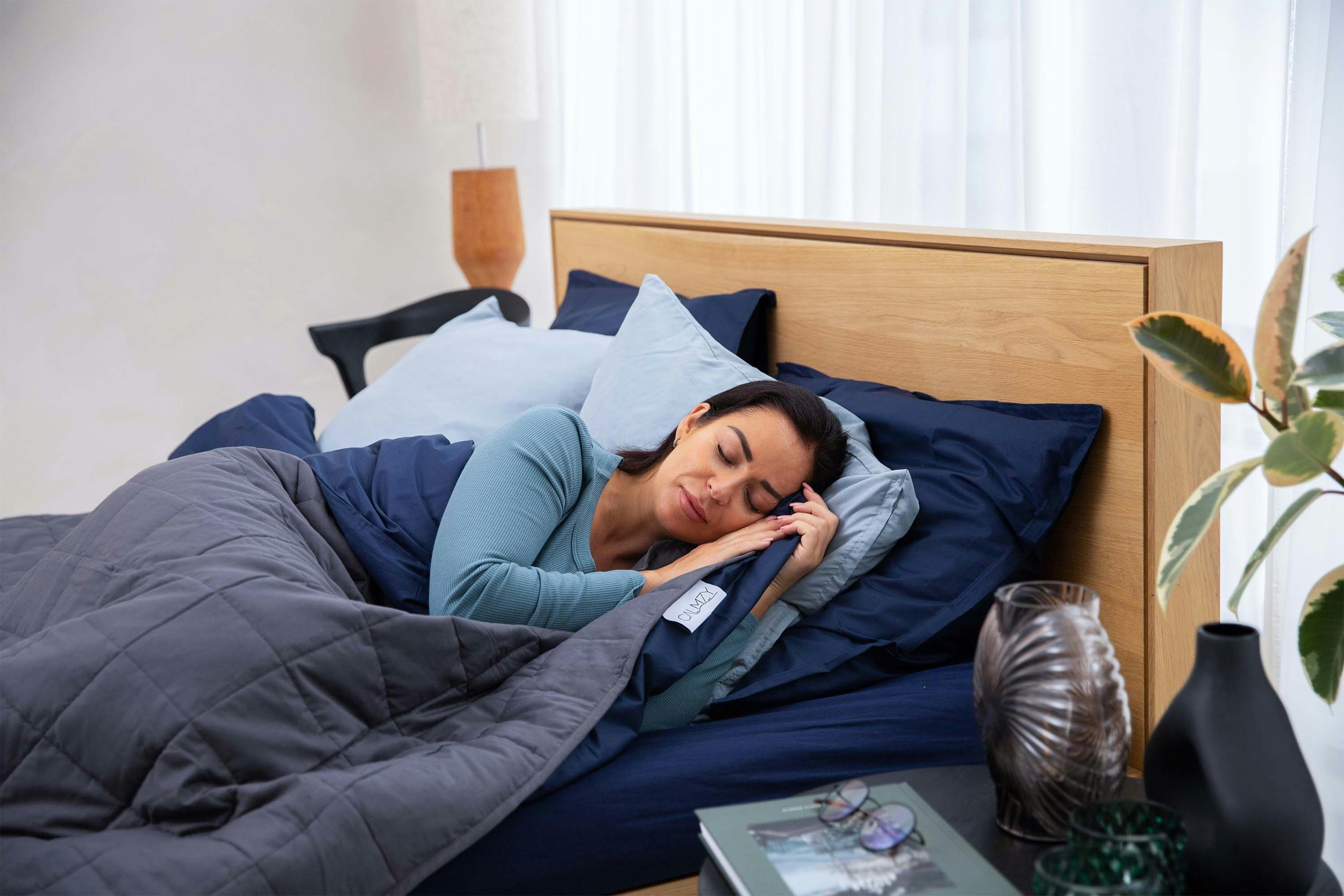
Midlife skincare has become increasingly sophisticated. Retinoids, peptides, antioxidants, growth-factor products, barrier-supporting ingredients, sunscreen, and professional treatments can all have a place in a thoughtful routine.
But Dr. Kerr's perspective offers a useful reminder: beauty doesn't happen entirely at the surface.
Your skin is part of a larger biological system, and sleep is one of the periods when your body performs essential repair.
For women navigating perimenopause and menopause, the relationship between hormones, sleep, and breathing deserves particular attention.
If you're consistently exhausted despite spending enough hours in bed—or if you're experiencing new snoring, morning headaches, dry mouth, nighttime gasping, teeth grinding, or persistent sleep disruption—it may be worth discussing sleep-disordered breathing with a healthcare professional.
You don't necessarily need to start with a sleep laboratory or assume CPAP is your only option.
Sometimes the first step is simply finding out how you're actually breathing while you sleep.
And when it comes to your beauty routine, that may be one of the most important questions you haven't been asking.
Meet the Expert
Dr. Max Kerr, DDS, D-ABDSM is a dental sleep medicine clinician and founder of Frontier Sleep & Wellness and Sleep Better Austin, an Austin, Texas–based practice focused on the diagnosis and treatment of sleep-disordered breathing.
Dr. Kerr specializes in helping patients address snoring and obstructive sleep apnea through comfortable, custom oral appliance therapy as an alternative or complement to CPAP. His work places particular emphasis on recognizing the often-underdiagnosed signs of sleep apnea in women, whose symptoms may be attributed to stress, hormones, or aging rather than an underlying and treatable airway condition.
Learn more: Sleepbetteraustin.com
This article is for educational purposes only and is not intended to diagnose or treat a medical condition. If you have concerns about sleep apnea or sleep-disordered breathing, speak with a qualified healthcare professional.