Sleep has officially become wellness culture's newest obsession. From smart rings and sleep trackers to cooling blankets, mouth tape, supplements, and elaborate bedtime rituals, consumers are spending more than ever in pursuit of the perfect night's sleep. But according to sleep experts, many people are focusing on trendy fixes while overlooking the factors that have the biggest impact on sleep quality.
If you've ever wondered which sleep upgrades are worth the investment and which are simply adding more noise to your nighttime routine, here is what the industry's primary innovators and medical authorities want you to know.
Sleepmaxxing Isn't New. It's Just Been Repackaged.
Long before sleep trackers and social media wellness trends, consumers were chasing the next big sleep breakthrough. Brad Grose, founder of Mattress Miracle, has watched the cycle repeat itself for decades.
"Sleepmaxxing isn't really new," Grose notes. "It's the fourth wave I've watched in 40 years of mattress retail, after waterbeds in the 80s, memory foam in the 2000s, and smart beds in the 2010s. Each wave promises to revolutionize sleep, and each one teaches the same lesson. The gadgets help around the edges, but the foundation always comes back to the mattress underneath you."
His perspective is a reminder that while technology can be useful, sleep quality still begins with the absolute fundamentals of spinal stability and physical platform support.
"You can spend $300 on a wearable that tracks your sleep, $40 on mouth tape, or $200 on supplements," says Grose. "But if you're sleeping on a mattress that doesn't support you, you're treating the symptoms and ignoring the source. If your foundation is sagging, your body spends all night physically fighting gravity instead of entering deep, restorative REM cycles." Shop Mattress Foundations at Mattress Miracle
If You're Waking Up at 3 A.M., Stop Guessing
Sleep trackers have made people more aware of their sleep than ever before. Unfortunately, they've also created a lot of confusion. According to Avinesh S. Bhar, MD, MBA, founder and sleep physician at SLIIIP, many people become fixated on sleep scores without investigating the physiological reasons behind them.
"Upon moving to the deep south after my sleep fellowship, I realized access to guideline-recommended care was wanting," Dr. Bhar shares. "Mouth taping has benefits, however, if you experience improved sleep quality with taping, that likely indicates an underlying sleep breathing disorder."

Dr. Bhar says many patients also focus heavily on lowering cortisol through supplements, meditation, or wellness protocols without understanding why cortisol may be elevated in the first place. One common culprit is sleep-disordered breathing. During healthy sleep, cortisol naturally declines overnight. However, when breathing repeatedly becomes restricted, the body triggers a stress response that causes nighttime awakenings and that familiar "wired but tired" feeling many people experience around 2 or 3 a.m.
"With home sleep testing and virtual care, we are able to evaluate, test, and treat a sleep problem from anywhere," Dr. Bhar explains. "You do not have to struggle in the dark. If your sleep tracker consistently reports poor REM sleep, low deep sleep, frequent awakenings, or declining sleep scores, seek professional evaluation rather than continuing to experiment on your own."
SLIIIP provides nationwide virtual sleep care, helping patients address sleep apnea, insomnia, restless legs syndrome, nightmares, sleepwalking, and other sleep disorders through home testing and telehealth consultations. Book a Virtual Sleep Consultation with Sliiip
Could Your Fatigue Actually Be a Breathing Problem?
Many people assume sleep apnea only affects people who snore loudly. According to Max Kerr, DDS, D-ABDSM, owner of Sleep Better Austin and Frontier Sleep & Wellness, that assumption causes countless cases to go undiagnosed. Your body performs much of its overnight repair work during deep sleep, meaning growth hormone production increases, collagen production accelerates, cellular repair occurs, and inflammation is reduced. When breathing disruptions repeatedly interrupt sleep, those recovery processes never fully occur.

"People spend a fortune trying to fix the symptoms on the surface, when the real problem is that their face never gets a full night of repair," Dr. Kerr stresses. "You can't out-serum a brain that's being woken up forty times an hour to breathe. Women are especially taught to expect to feel tired—busy job, kids, hormones. So a treatable breathing disorder gets absorbed into normal life for years. If your fatigue does not match your lifestyle, that is the moment to look at how you are breathing at night."
Consult with Dr. Max Kerr at Sleep Better Austin
The Innovation Edit: Deep Dives Into Upgrades Worth the Investment
When we evaluate the sleep environment itself, these specific solutions stood out as the most rigorous, intentional products designed to solve real physiological and environmental sleep disruptions.
eXciteOSA
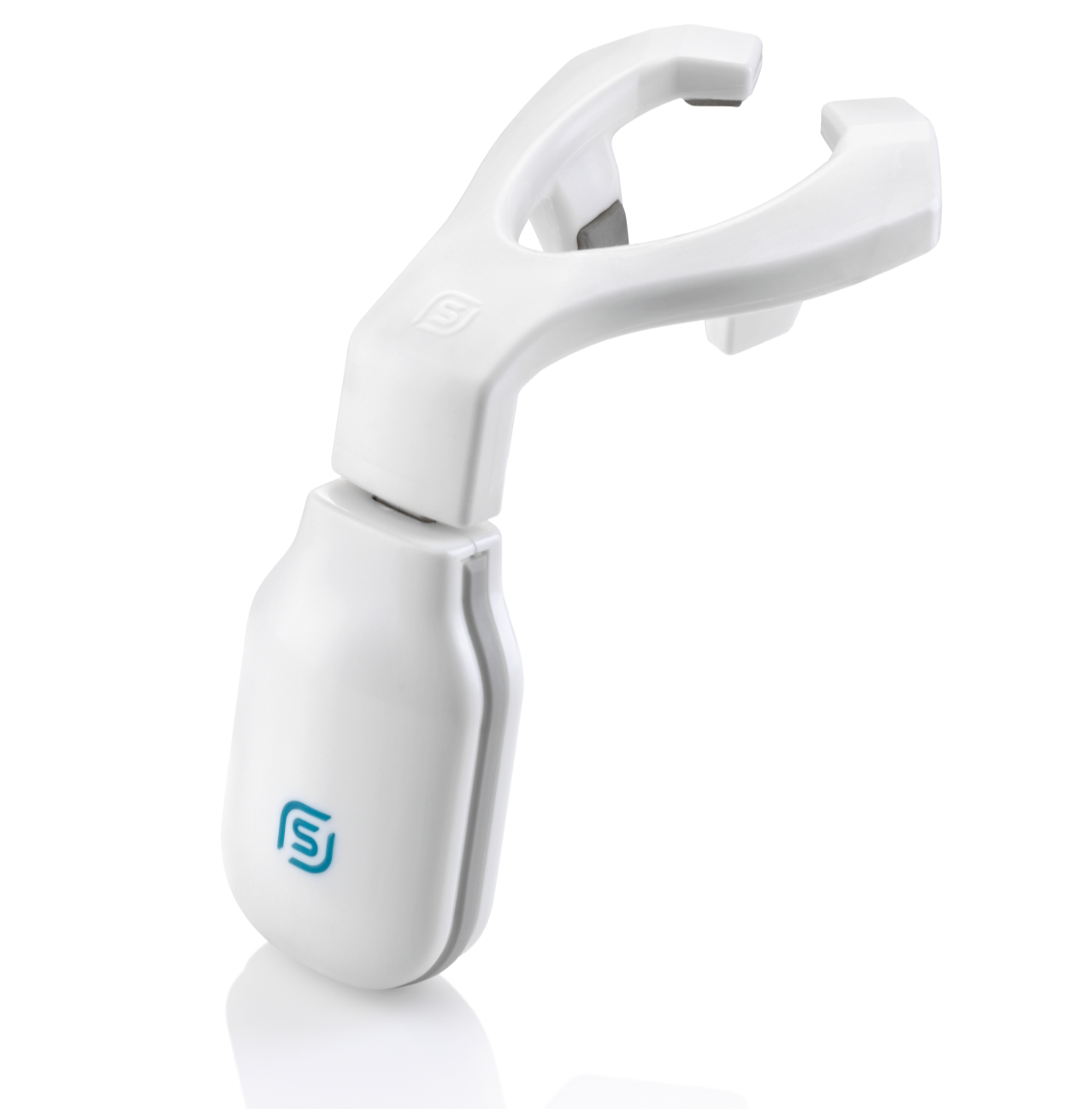
The clinical path to protecting your airway no longer requires wearing a bulky, restrictive mask all night. eXciteOSA represents a massive paradigm shift as the only FDA-cleared daytime therapy designed to improve mild sleep apnea and snoring.
Instead of passive nighttime management, it utilizes targeted Neuromuscular Electrical Stimulation during the day. By strengthening the nerves and muscles of the tongue and throat during simple, 20-minute daytime sessions, it actively trains your airway to remain open naturally while you are unconscious. It is a non-invasive, machine-free path to better rest that targets root muscular causes rather than just masking symptoms.
Creating a Personal Sleep Sanctuary
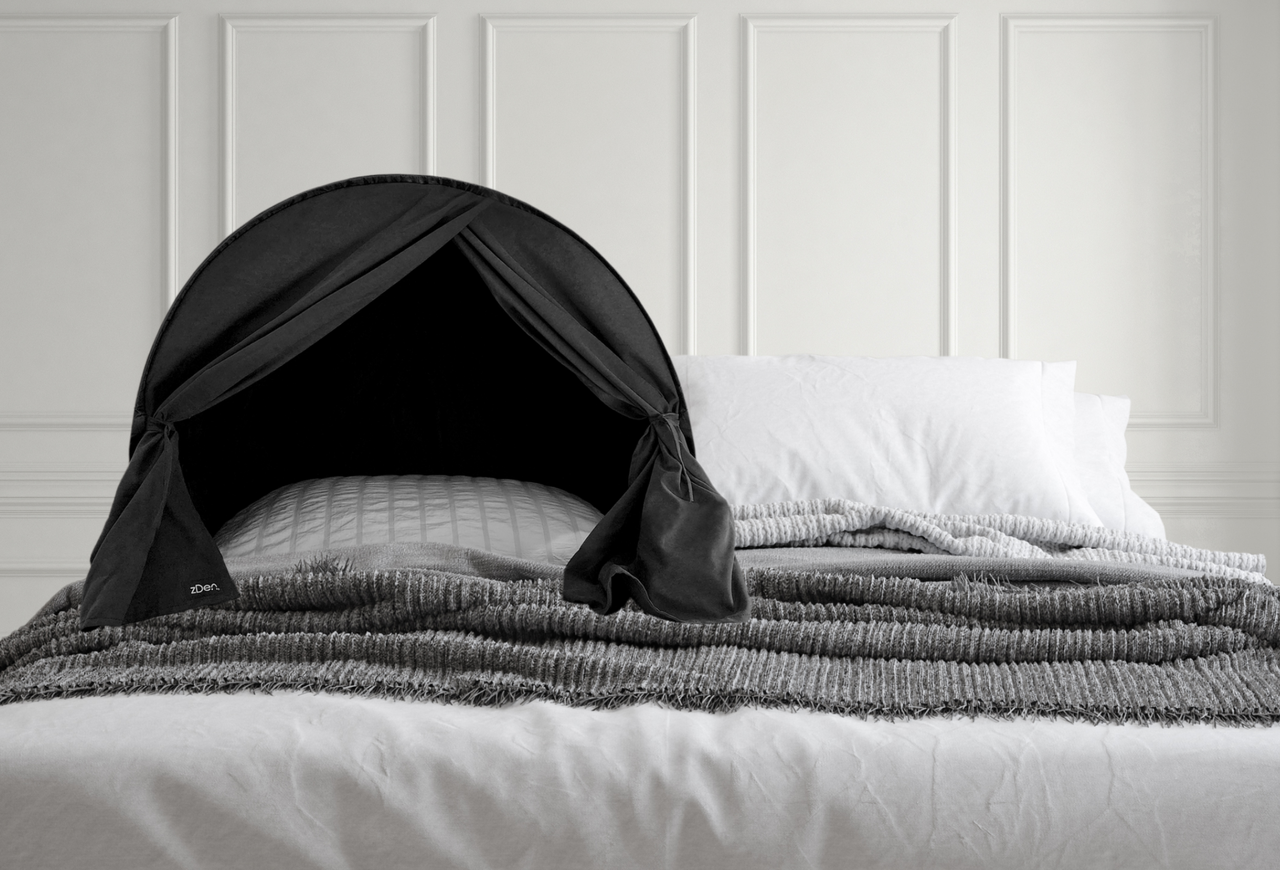
Your biological clock is hardwired to halt melatonin production the second light hits your retinas. In urban settings or shared households, total darkness is an ongoing battle. To solve this, Danielle Fujii created the zDen to give consumers absolute control over their immediate sensory perimeter.
"You can't always control your macro-surroundings, so you have to create an intentional micro-environment," Fujii explains.
The zDen acts as a physical, highly portable sanctuary that blocks more than 99% of sleep-disrupting light and visual distractions. By creating an immediate, dark buffer zone for home, travel, or dorms, it coaxes the nervous system out of high alert and into the safe mode required for deep, natural melatonin release. Read a study completed by Northwestern University about ambient light, then Shop the zDen Sanctuary
Vesta Sleep: Thermal Regulation & The MintZen System
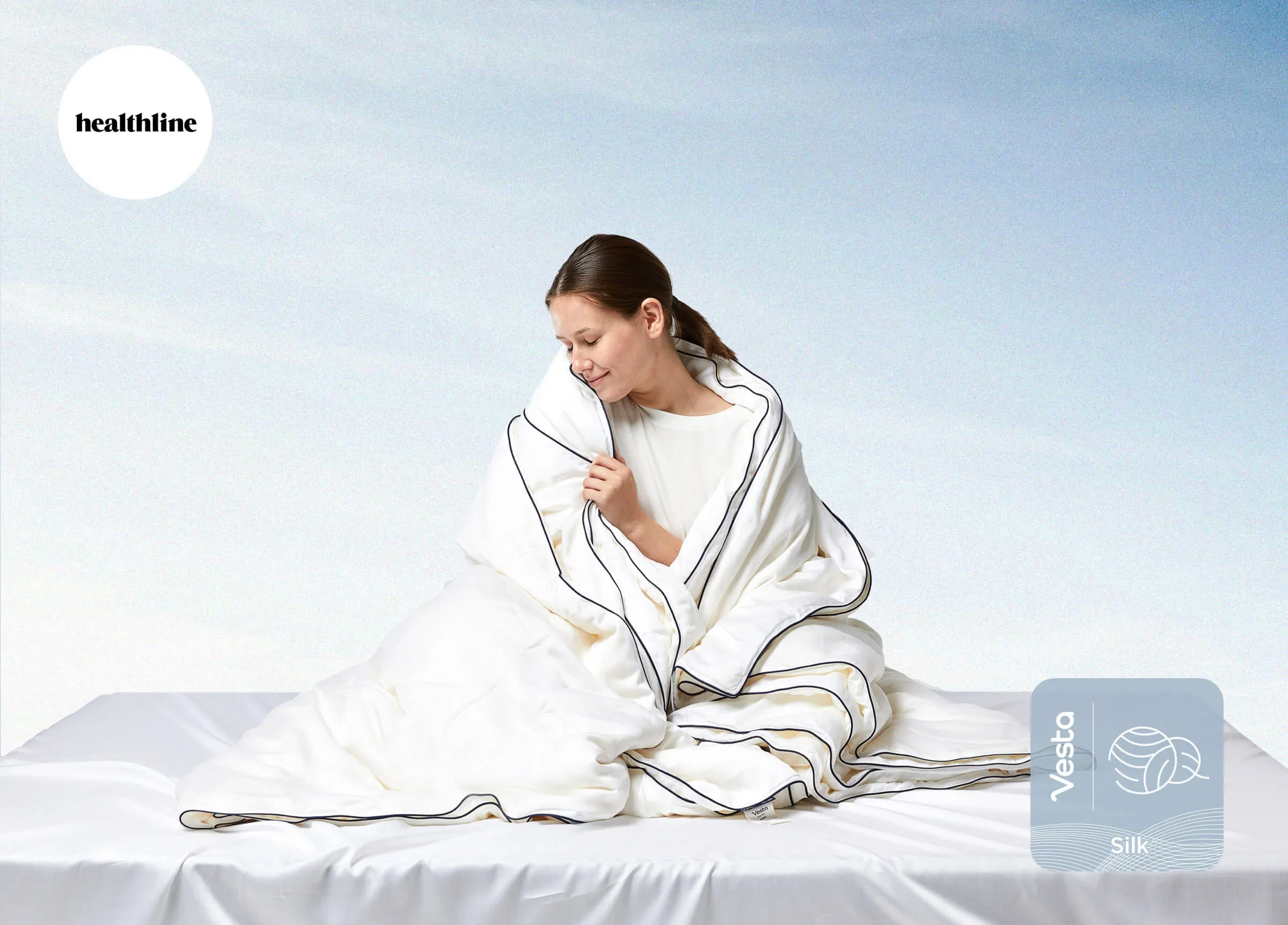
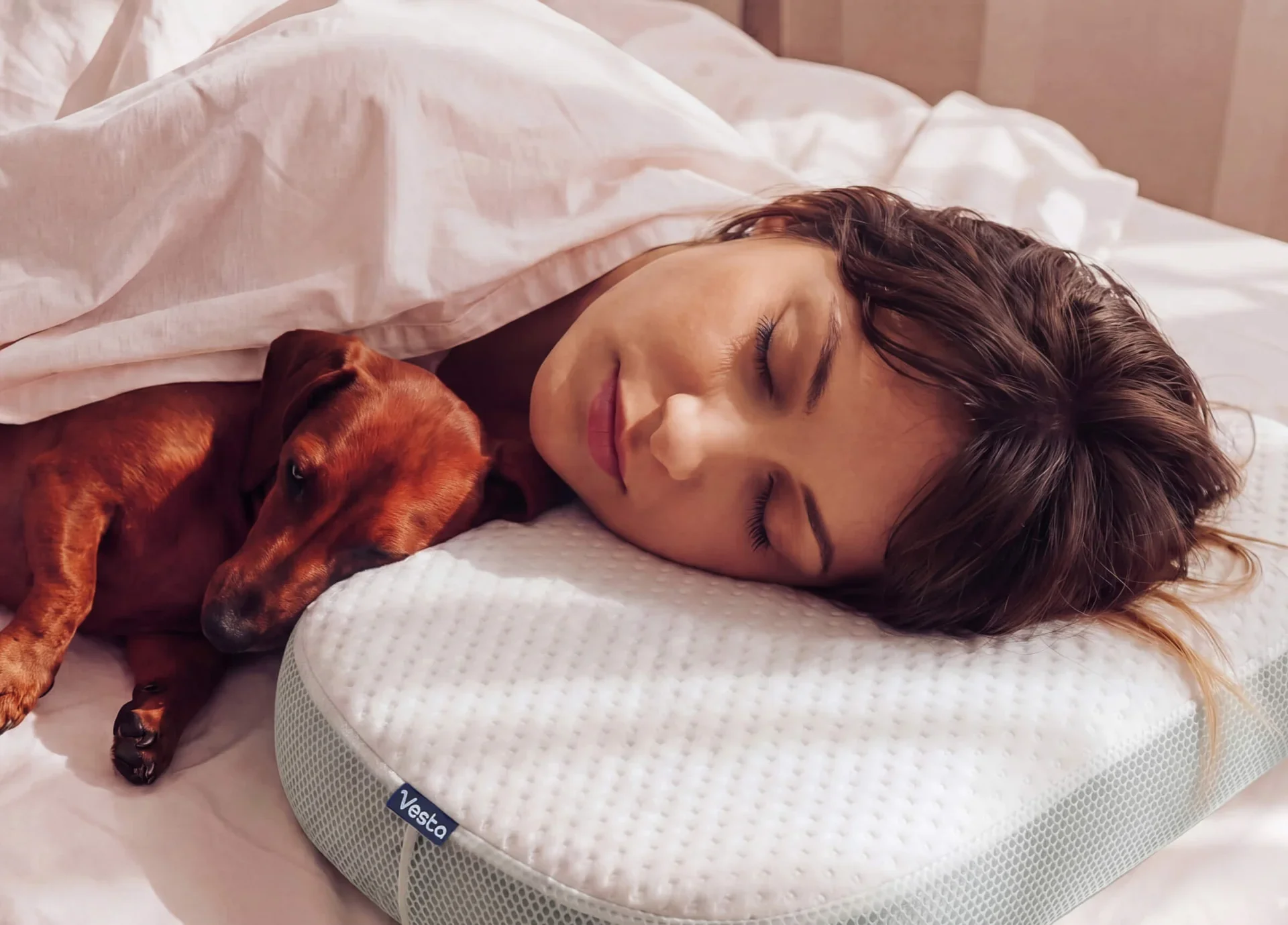
True deep sleep stability requires a strict drop in your body's core nocturnal temperature, yet traditional bedroom materials frequently trap heat, inducing subtle, subconscious micro-awakenings. Vesta Sleep engineered an antidote to this loop with two foundational products:
The MintZen Silicone Foam Pillow: Designed with an adaptive silicone foam core and ergonomic contouring, this pillow actively supports alignment while promoting massive airflow. Traditional memory foam acts as an insulation pad, but the high-porosity core of the MintZen pulls heat rapidly away from the head to keep your brain temperature low enough to maintain sustained deep sleep cycles.
The Silk Cooling Blanket: This highly breathable blanket pairs a cool-to-the-touch bamboo exterior with lightweight, natural silk filling. Silk and bamboo fibers act as natural moisture-wicking agents, preventing the humid, stuffy environment that causes hot sleepers to toss, turn, and kick the covers off in the middle of the night.
Silencing the Sleep Sanctuary
"Getting a restful night isn't only about falling asleep, but also staying asleep," notes Gerry Caron, co-inventor of the Hinge Husher. "It takes the average adult 10 to 20 minutes to return to deep sleep once they are disturbed by a sudden, sharp sound like a squeaky hinge, even if they do not fully wake up."
Caron designed the solution out of a personal need for clean, domestic quiet. "I couldn't keep waking my wife up when I came into the bedroom after she was asleep, and I got tired of interacting with those nasty, toxic traditional lubricants."
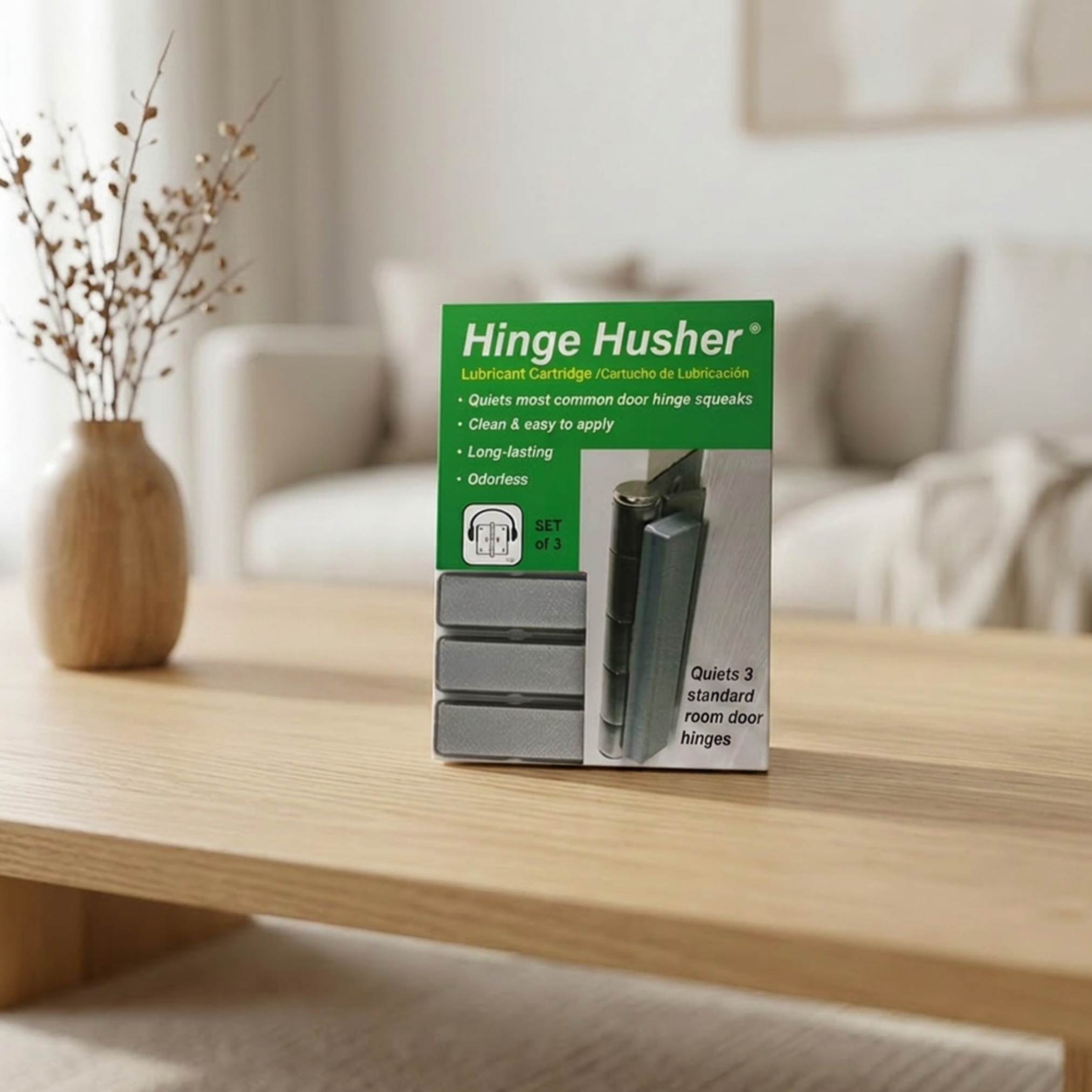
The Hinge Husher bridges the gap between mechanical maintenance and a clean lifestyle. By replacing messy, chemical sprays with a silent, non-toxic physical solution, it eliminates the partner friction caused by different sleep schedules or late-night bathroom trips, quite literally keeping the peace while protecting your total sleep allocation. Shop the Hinge Husher
The Most Overlooked Sleep Product in Your Bedroom
Ask Dr. Priyank Patel, founder of Brooklyn Chiropractic Care, what sleep product people get wrong most often, and his answer is immediate: the pillow.

"The easiest at-home check takes about ten seconds," Dr. Patel notes. He recommends lying in your normal sleeping position and assessing whether your neck remains completely neutral. "Side sleepers should have their nose aligned with the center of their chest. Back sleepers should have support beneath the neck without forcing the chin downward. If your pillow pushes your head forward, you force mouth breathing, which destroys your sleep quality instantly."
Dr. Patel notes that while sleep gadgets are highly visible in the media, structural alignment is what keeps the body out of structural stress.
"If I could change only one thing in a patient's sleep setup, it's the pillow matched to how they actually sleep. It's the cheapest fix in the room and the one most people get wrong. Nasal breathing is the ultimate goal, but mouth tape is the wrong tool if an obstructed airway or poor alignment is the real problem." ~Dr. Patel
The Foundations of a Resilient Sleep Ecosystem
To truly escape the trap of surface-level trends, we have to look at sleep as an integrated biological system. Masterful rest requires looking at the invisible variables, ranging from the mechanical chemistry of our supplements to the underlying layout of our immediate environments.
The Environmental and Physical Blueprint
Before you accumulate a collection of targeted nighttime products, certified sleep coach Patti Read, Certified Sleep Coach and owner of Goldilocks Sleep Solutions, recommends stripping the environment back to its bare essentials. The body cannot properly signal restoration if it is constantly adapting to subtle ambient friction. Read advises consumers to establish a bedroom environment that is cool, dark, and quiet, and maintain that precise baseline for several weeks before evaluating what specific gaps remain. True mastery is built on consistency over complexity.
This exact physical framework includes the very air circulating through your room. Tony Abate of AtmosAir Solutions highlights indoor air quality as a frequently hidden sleep thief. Poorly ventilated bedrooms where carbon dioxide levels climb beyond 900 parts per million quietly starve the brain of optimal oxygen throughout the night. This systemic lack of oxygen leaves consumers trapped in lighter sleep stages, inducing deep morning grogginess and a distinct sense of brain fog regardless of how many hours were spent in bed.
The Chemistry of Daytime and Nighttime Adaptation
Shifting out of high alert also requires a careful look at chemical support and metabolic behavior. For many, a nightly routine begins with sleep aids, but Joseph Sheehey, founder and CEO of CURED Nutrition, warns that standard approaches often backfire. Melatonin is a hormone naturally produced by the body and when supplemented it is typically wildly overdosed. Rather than forcing a hormonal shutdown with massive dosages that trigger next-day sluggishness, Sheehey suggests looking at how the body handles overall tension. By turning to adaptogens and natural cannabinoids that work with the body's natural stress response, you can cultivate true physiological balance that preserves daytime energy while setting the stage for an effortless evening wind-down.
Explore Organic Adaptogen Solutions at CURED Nutrition
This internal regulation is directly tied to our metabolic rhythm. Dr. Zaid Fadul of Bespoke Concierge MD points out that sleep is deeply tied to daytime metabolism, meaning you simply cannot out-supplement a lifestyle or a diet that spikes your cortisol and blood sugar right before bed. If the body is processing heavy, glucose-disrupting inputs late at night, the resulting autonomic spike keeps you trapped in a light, fragmented rest cycle. True sleep preparation begins at the metabolic level, pairing medical insight with balanced nutrition and functional habits long before your head hits the pillow.
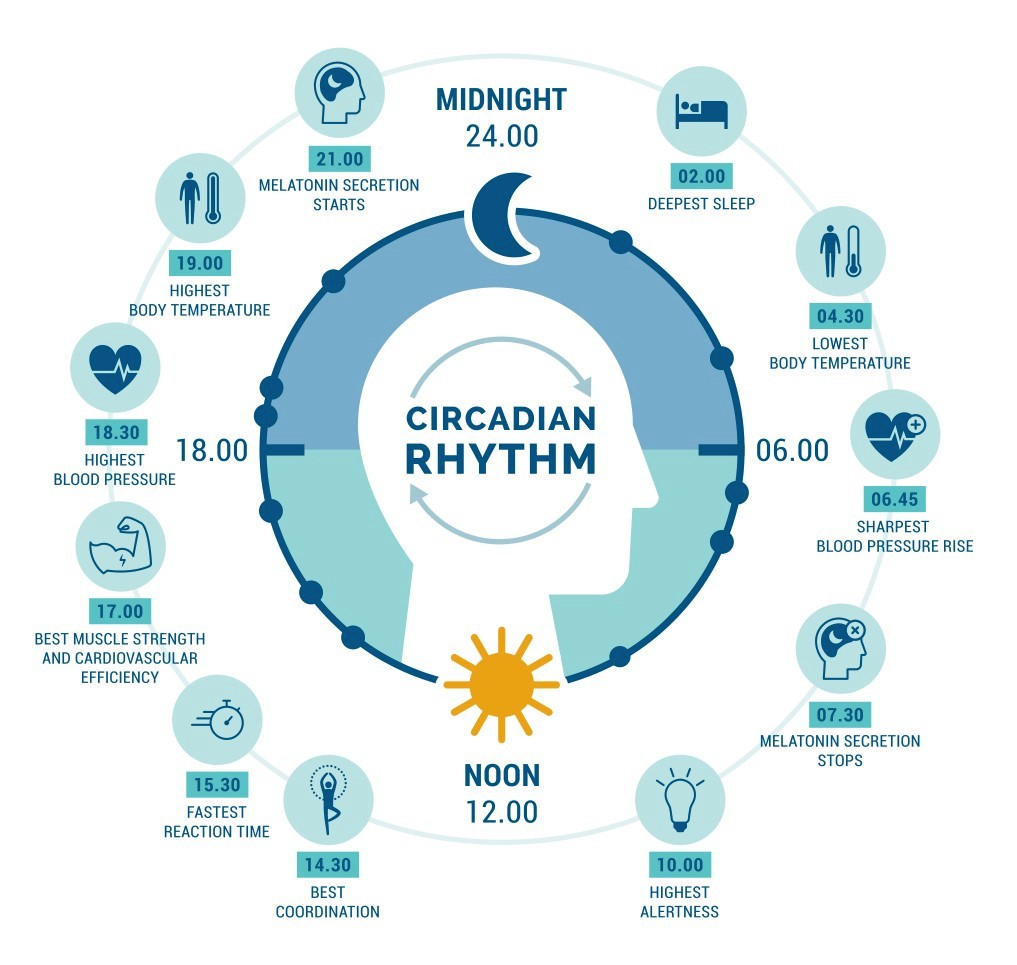
In fact, the entire biological clock dictates that nighttime rest is a direct reflection of daytime choices. Loris Petro, Marketing Manager for Kratom Earth emphasizes that your nighttime sleep quality is entirely dictated by how you manage your hydration, natural sunlight exposure, and active physical recovery starting at 8:00 AM. Sleep is not a localized switch we flip at 10:00 PM; it is the natural culmination of a 24-hour cycle of proactive strain management and intentional recovery.
Dismantling Cognitive Friction
Even with a flawless environment, the nervous system can remain completely paralyzed by psychological weight. The team at Mental Detox explains that insomnia is often a self-reinforcing feedback loop of cognitive rumination. When the prefrontal cortex attempts to solve tomorrow's problems while the body is attempting to shut down, sleep becomes impossible. Utilizing intentional sensory grounding techniques or maintaining a dedicated emotional diary before bed serves to externalize those mental stressors, signaling to the brain that it is safe to stop processing the day.
This internal tension is often amplified by the very tools meant to cure it. Dan Auerbach, Clinical Director of Associate Counsellors & Psychologists Sydney, observes that modern wellness culture has introduced a new kind of anxiety to the bedroom. Constantly tracking and grading your sleep metrics can inadvertently convert rest from an emotional release valve into a source of high-alert performance anxiety. When high-achievers turn sleep into a metric to be won, the resulting pressure keeps the sympathetic nervous system active. True restoration requires stepping away from the strict authority of data and re-learning how to listen to the body's innate cues.
The Bottom Line
The future of sleep isn't about buying every trending gadget. It's about identifying what is actually disrupting your rest and addressing those factors first.
Whether that's improving your mattress, evaluating your breathing, upgrading your pillow, reducing noise, controlling light exposure, supporting stress management, or creating a cooler sleep environment, the best sleep investments are the ones that solve real problems.
Because the ultimate luxury isn't another sleep tracker. It's waking up feeling genuinely rested.