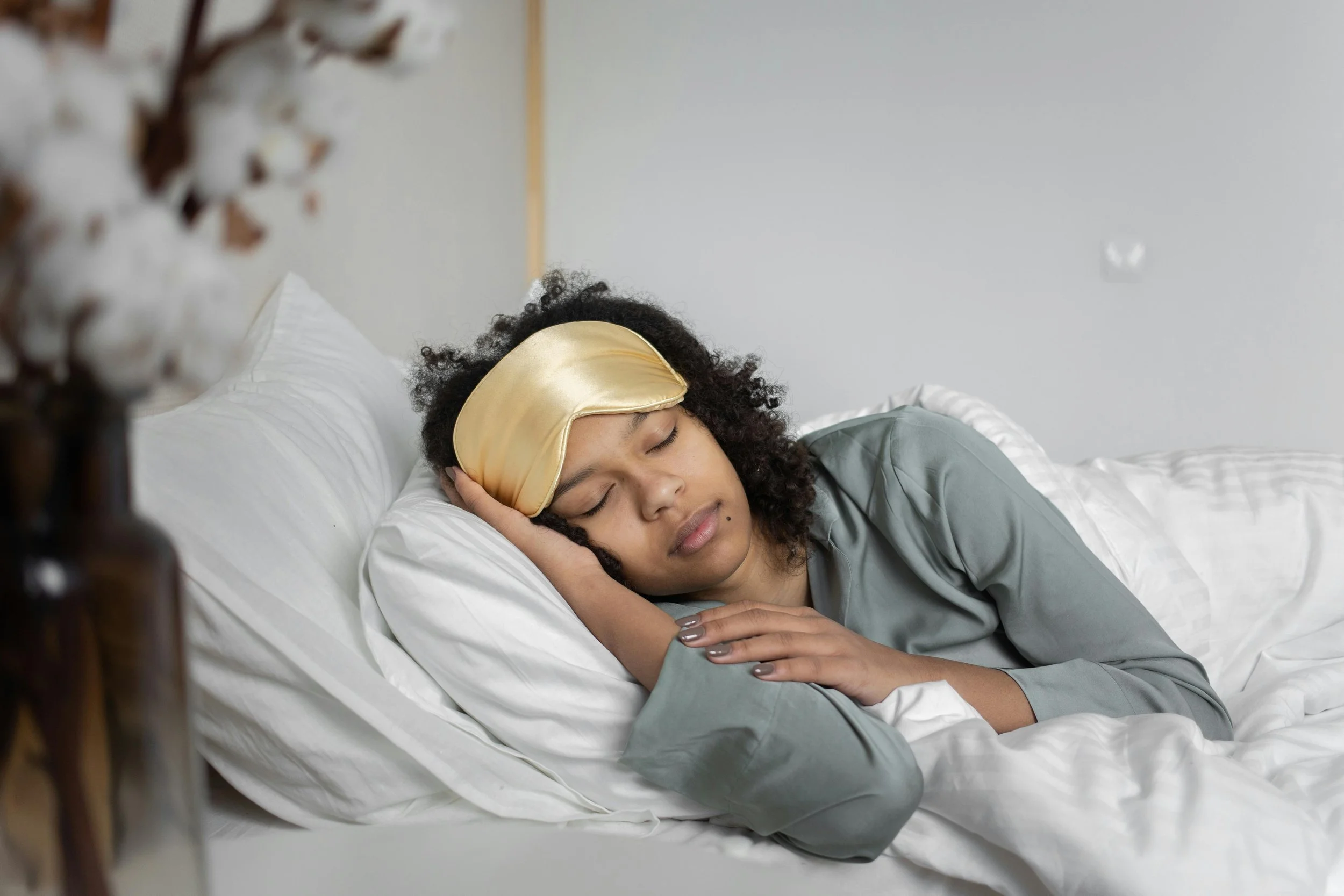
Most people have experienced that sudden jolt right before drifting off to sleep, or woken up to a partner's flailing arm in the middle of the night. Naturally, many find themselves asking what causes twitching while sleeping and whether it is something to worry about. In many cases, it is completely harmless but there are moments where these involuntary movements cross from a normal quirk into something that deserves a closer look.
The Different Types of Sleep Twitching
Not all sleep twitching looks or feels the same. Before a person can determine whether their nighttime movements are a concern, it helps to understand the distinct categories that exist.
Hypnic Jerks and Sleep Myoclonus
Hypnic jerks are those sudden, sharp muscle contractions that happen right at the edge of sleep. They often feel like a falling sensation and can startle a person wide awake, just as they were beginning to rest. Sleep myoclonus is a broader term that covers repetitive, involuntary muscle twitches that happen during sleep itself. These movements tend to be brief and isolated to one area, such as a foot, an arm, or the face. In most cases, neither condition signals a medical emergency. Sleep myoclonus is considered a normal part of the sleep cycle for many individuals, and hypnic jerks are so common that researchers estimate they affect up to 70% of people at some point.
Restless Legs Syndrome and Periodic Limb Movement Disorder
Restless Legs Syndrome, or RLS, is a neurological condition where a person feels an uncomfortable urge to move the legs, especially at night. This is different from a simple twitch because the sensation is often described as crawling, throbbing, or pulling. More persistent or repetitive patterns of nighttime movement are frequently tied to Periodic Limb Movement Disorder, or PLMD. Unlike RLS, PLMD occurs during sleep without the person being fully aware of it. A bed partner is often the first to notice rhythmic kicking or leg jerking that repeats throughout the night. Both conditions can disrupt sleep architecture and lead to significant daytime fatigue if left unaddressed.
Common Causes Behind Sleep Twitching
Sleep twitching does not appear out of nowhere. In many cases, a person's daily habits and physical health directly influence how much their body moves during the night.
Stress and anxiety are among the most frequent contributors. A nervous system that stays in high gear throughout the day does not always power down smoothly at night, which can lead to increased muscle activity during the transition into sleep. Plus, physical fatigue from exercise or labor-intensive work can cause muscle fibers to fire involuntarily as they cool down and recover.
Caffeine and stimulant consumption also play a notable role. High doses of caffeine interfere with the body's ability to enter deeper sleep stages, and as a result, the nervous system remains more reactive. Sleep deprivation has a similar effect. The more sleep debt a person accumulates, the more intense their hypnic jerks and nighttime movements tend to become.
On the medical side, certain nutritional deficiencies, particularly in magnesium and iron, have been linked to restless legs and increased muscle twitching. Medications such as antidepressants, antihistamines, and stimulant-based drugs can also trigger or worsen sleep twitching as a side effect. For some individuals, neurological conditions like epilepsy or movement disorders contribute to the problem, which is why pattern recognition matters.
Warning Signs That Your Sleep Twitching Is Not Normal
The line between harmless twitching and a medically significant condition is not always obvious. But certain red flags point clearly toward a situation that a doctor should evaluate.
Frequency and intensity matter considerably. An occasional hypnic jerk is one thing, but twitching that happens every single night, lasts for extended periods, or becomes violent enough to cause injury is a different story. If a person regularly wakes up with sore muscles, unexplained bruises, or disrupted sleep night after night, those are signs worth reporting to a healthcare provider.
Twitching that occurs alongside other neurological symptoms should never be ignored. Involuntary movements paired with confusion upon waking, loss of bladder control, unusual vocalizations, or periods of unconsciousness may indicate a seizure disorder rather than ordinary sleep myoclonus. The distinction is significant because seizure-related events require specific diagnosis and treatment.
Daytime functioning is another important indicator. Sleep twitching that leaves a person chronically exhausted, unable to focus, or struggling with mood regulation suggests that the sleep cycle is being seriously disrupted. Similarly, if a bed partner reports prolonged or rhythmic limb movements that the sleeper cannot recall, that pattern aligns closely with PLMD, which responds well to treatment once properly identified. The bottom line is that any sleep twitching that disrupts daily life or carries additional symptoms deserves professional attention.
How Sleep Twitching Is Diagnosed and Treated
A proper diagnosis is the first step toward effective management, and the process typically starts with a thorough medical history review.
A doctor will usually ask about sleep patterns, medication use, lifestyle habits, and family history of movement disorders or neurological conditions. In many cases, a sleep diary kept for one to two weeks can provide valuable context before the first appointment. If history suggests a more complex issue, the next step is often a referral to a sleep specialist.
The gold standard for diagnosing sleep-related movement disorders is a polysomnography study, commonly referred to as a sleep study. During this test, sensors monitor brain activity, eye movement, heart rate, oxygen levels, and limb movements throughout the night. The data collected helps specialists distinguish between PLMD, RLS, seizure activity, and other conditions that might present with similar symptoms.
Treatment varies based on the root cause. For lifestyle-related twitching, simple adjustments, such as reducing caffeine intake, managing stress, and maintaining a consistent sleep schedule, often produce noticeable improvement. Nutritional supplementation, particularly iron or magnesium in cases of deficiency, can also reduce symptoms. For conditions like PLMD or RLS, doctors may prescribe dopamine-related medications or other therapies tailored to the individual's needs. Seizure-related movements, by contrast, require anticonvulsant therapy and ongoing neurological monitoring.
Conclusion
Sleep twitching exists on a wide spectrum, from the harmless hypnic jerk to movement patterns that signal a diagnosable condition. The key is knowing which category applies to a given situation. If twitching is frequent, disruptive, or paired with other neurological symptoms, seeking a medical evaluation is the right move. Better sleep is achievable with the right diagnosis and a treatment plan designed around the specific cause.