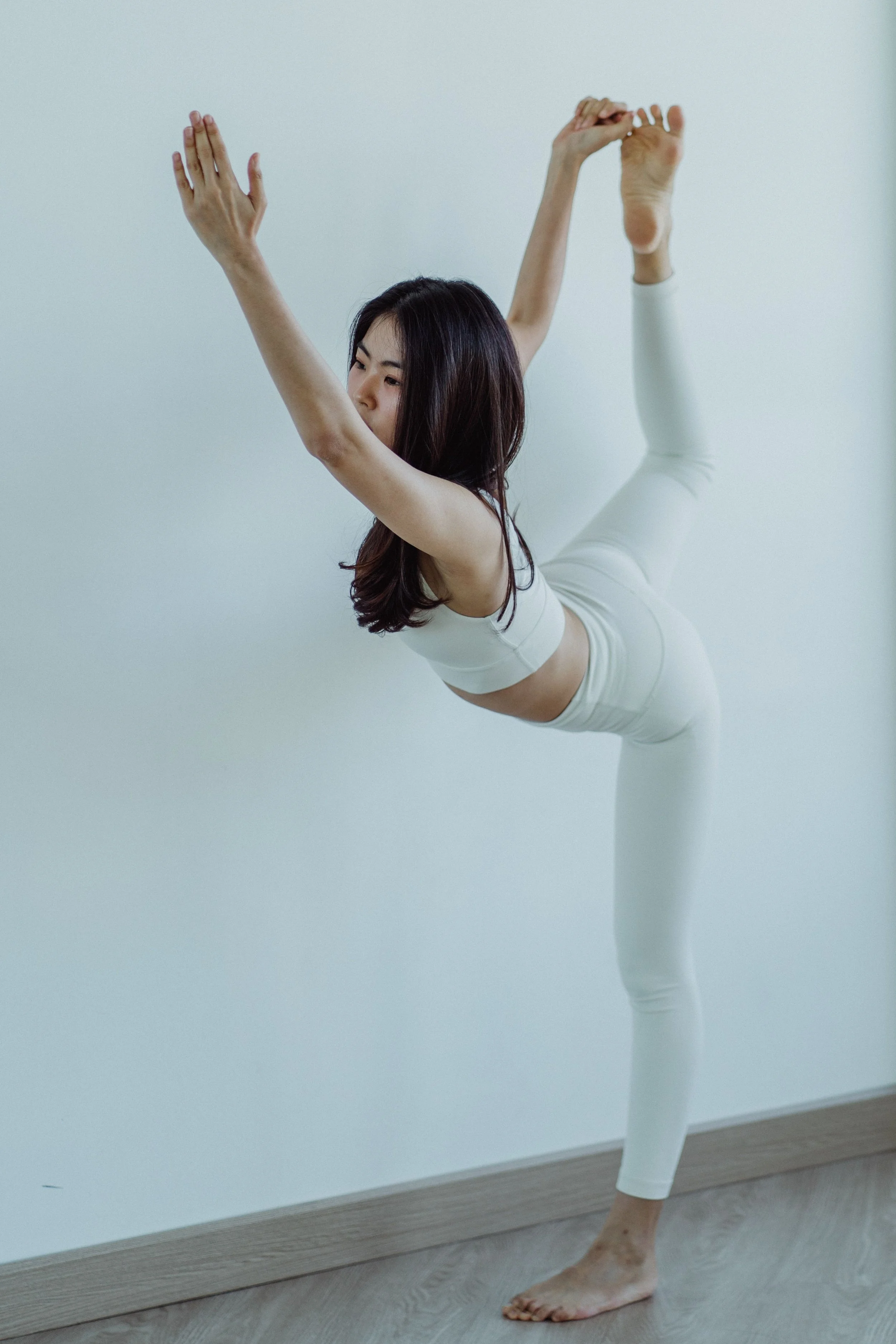
There is something quietly luxurious about moving through your day with more ease, whether that means finding your balance, carrying groceries comfortably, or leaving a class feeling more connected to your body. This edit brings together expert perspectives and thoughtful finds for a movement practice that makes room for strength, awareness, and recovery.
The most useful routine is one that fits the life you actually lead. Perhaps that means a weekly Pilates class, a few minutes of yoga before opening your laptop, or more attention to the parts of your body you rarely think about until they ask for help.
You Don’t Have to Be Flexible to Begin
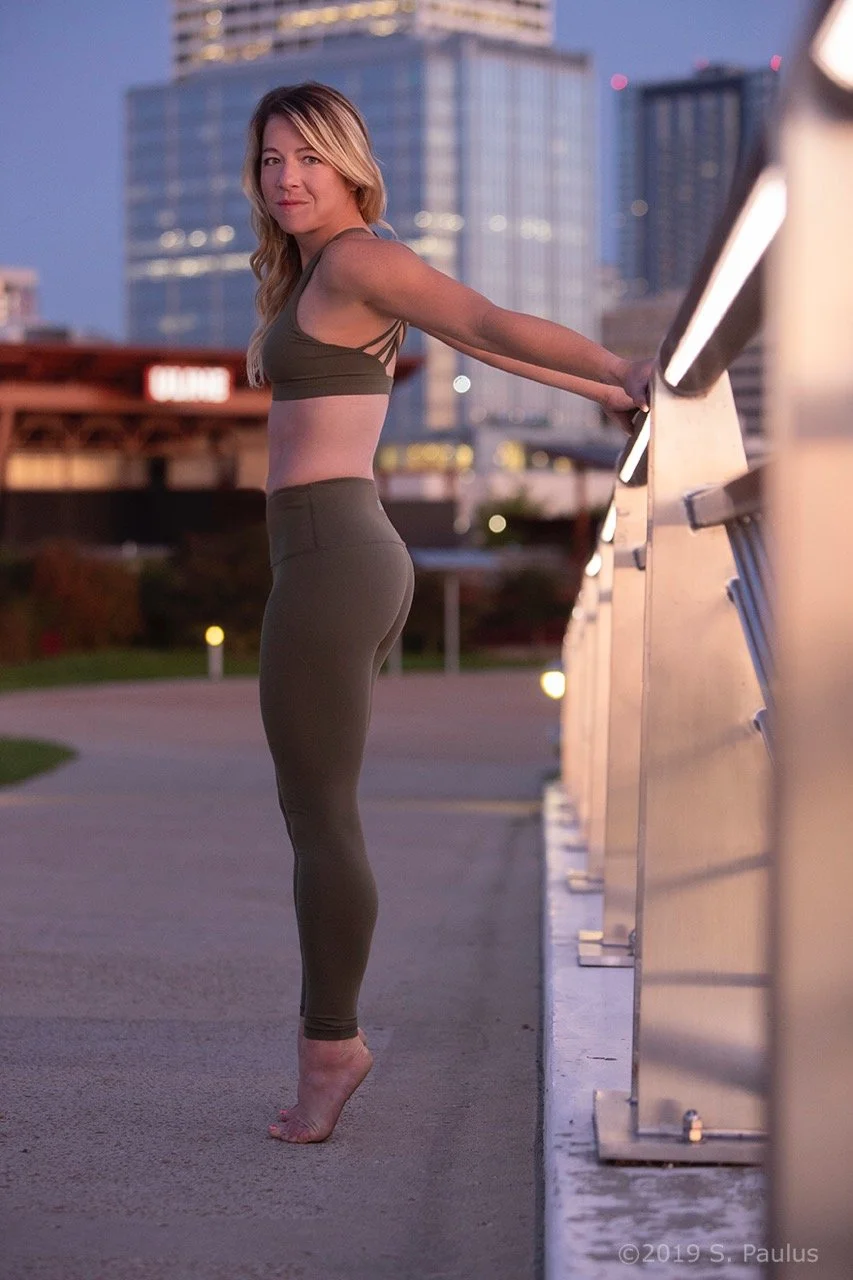
If you have ever decided yoga was for someone with longer hamstrings or a more impressive forward fold, Caitlin Moyer would like you to reconsider.
Moyer, an RYT-200, NASM-CPT, and Yoga for Golfers Level 2 Instructor, identifies the belief that you must already be flexible as one of the biggest misconceptions about starting yoga. In her work with athletes and recreational golfers, she emphasizes movement quality and habits people can carry into the activities they enjoy.
“The best movement practice is ultimately the one you'll do consistently,” she says.
That perspective takes some of the pressure out of choosing a practice. Moyer describes Pilates as particularly focused on core strength, stability, and precise movement, while yoga brings together strength, balance, mobility, flexibility, and breathwork.
There is room to explore both and notice which teaching style, pace, and setting help you return. A practice earns its place in your life when it supports the things you enjoy, whether you are walking around a new city, playing another round of golf, or taking a movement break during a busy workday.
Learn more: Caitlinmoyer.com
Build a Core That Supports Everyday Life
Core strength becomes more interesting when you stop thinking exclusively about how your abdomen looks and start thinking about what your body needs to do.
Grace Huynh, a physiotherapist at Bounce Back with training in Clinical Pilates, describes the core as a coordinated system involving the abdomen, back, pelvis, and diaphragm. These structures work together to support the spine and movement.

Her explanation brings the idea into everyday focus: carrying groceries, reaching overhead, gardening, or getting up from a chair all call on that foundation. Huynh emphasizes controlled movement, breathing, and progressive exercise rather than endless sit-ups or constant bracing.
For someone returning to movement after an injury, a personalized program can begin with the tasks that feel difficult and build from there. Clinical Pilates, guided by an appropriately qualified practitioner, offers one way to approach that work.
Strength that serves you outside the studio is worth cultivating.
Learn more: Bouncebackphysio.com.au
A Stronger Movement Practice Starts With Pelvic Floor Awareness
We hear about engaging our core in yoga and Pilates classes. But understanding the pelvic floor, including when it needs to contract and when it needs to relax, deserves just as much attention.
Dr. Marcy Crouch, a board-certified women’s health physical therapist who works with Perifit, encourages women to bring pelvic health into the larger conversation about movement and wellbeing. Leaking, pelvic or vaginal pain, pressure, and discomfort during intimacy are symptoms worth discussing rather than quietly accepting.

“These symptoms are common, but they should never be dismissed as normal,” she says.
Crouch explains that embarrassment and previous experiences of being brushed off can prevent women from seeking help. When symptoms are treated as an inevitable part of being a woman, people may spend years adjusting their lives around something that deserves assessment.
Talking openly about pelvic health creates an opportunity to seek support earlier. It also changes how we approach exercise: symptoms become information to discuss with a qualified professional, rather than something to push through during class.
Why More Kegels Are Not Always the Answer
One of the biggest misconceptions Crouch encounters is the assumption that every pelvic floor problem requires Kegels.
A Kegel involves an upward contraction of the pelvic floor. But, as she explains, strength is only one part of how these muscles function. Some women need help coordinating their muscles; others need to learn how to relax and lengthen a pelvic floor that is already tight.
“It’s about learning what your body needs and using the right muscles correctly, at the right time, with other muscle groups.”
That perspective adds an important layer to the familiar instruction to engage your core. More effort is not automatically better. Learning to release tension can be as relevant as learning to create it.
For a yoga or Pilates practice, the takeaway is personal awareness. If you experience leaking, heaviness, pelvic pain, or discomfort with sex, an assessment can help establish what your body needs before you add more strengthening exercises.
Pelvic Health Deserves Attention Beyond Postpartum
Crouch also broadens the timeline. Pelvic floor care is often discussed after childbirth, but she emphasizes that it deserves attention throughout a woman’s life.
Pregnancy, postpartum healing, returning to exercise, perimenopause, menopause, and the period before or after pelvic surgery are all opportunities to check in. Symptoms themselves are another reason to seek support, regardless of life stage.
For women building a movement routine in midlife, this makes pelvic health part of the foundation. The goal is to understand how your body responds to the activities you enjoy and what support might help you continue comfortably.
Perifit Care+: Turning an Abstract Exercise Into Visible Feedback
One challenge with pelvic floor training is that you cannot easily see the muscles you are trying to use. An instruction to contract them may leave you wondering whether you are doing it correctly.
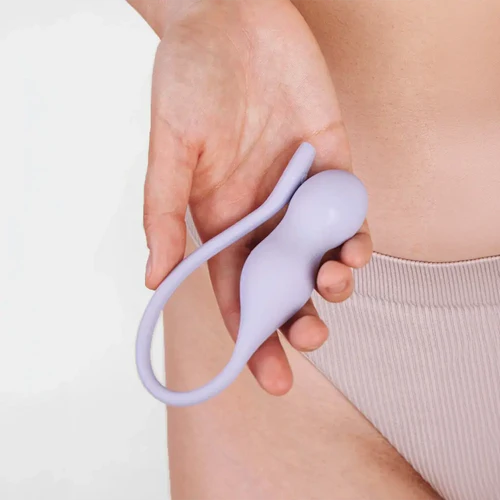
French women’s health brand Perifit addresses that uncertainty with Perifit Care+, an app-connected pelvic floor trainer that combines real-time biofeedback with game-based exercises. For women whose care plan includes strengthening, the device offers visual feedback and a way to follow their training over time.
Crouch explains that people given only verbal instructions may use compensating muscles or misunderstand the movement. In her view, biofeedback helps make the instruction more concrete, while the games can make practice more engaging.
The distinction is between being told to do an exercise and receiving information about how you are performing it. That feedback can give the routine a clearer sense of purpose.
Think of the First Sessions as Learning
For anyone intimidated by an app-connected trainer, Crouch recommends beginning with curiosity and letting go of the pressure to perform perfectly.
Find a comfortable, private space, follow the guidance, and allow the first few sessions to be about understanding the process. As with learning a new movement in the studio, unfamiliarity is part of starting.
Her approach makes room for gradual progress. You do not need to arrive already strong or coordinated. The point is to learn about your body and work toward goals that suit your needs.
Perifit Care+ fits into that conversation as a tool for appropriate pelvic floor strengthening. An individual assessment remains important when symptoms or uncertainty suggest that relaxation, coordination, or another approach may be needed.
Marcy’s Everyday Habits for Greater Pelvic Floor Awareness
Pelvic floor awareness does not have to stay confined to a dedicated training session. Crouch also highlights everyday habits that bring breathing, movement, and muscle tension into focus.
Notice Your Breath During Effort
Crouch encourages exhaling during effort, such as lifting something, picking up a child, or standing from a squat, rather than holding your breath and bearing down.
It is a useful point to bring into a conversation with your instructor or pelvic health practitioner: how are you breathing when a movement becomes challenging, and does your technique suit your individual needs?
The aim is to become more aware of how you manage effort, including in the ordinary movements that happen outside a workout.
Give Yourself Permission to Release Tension
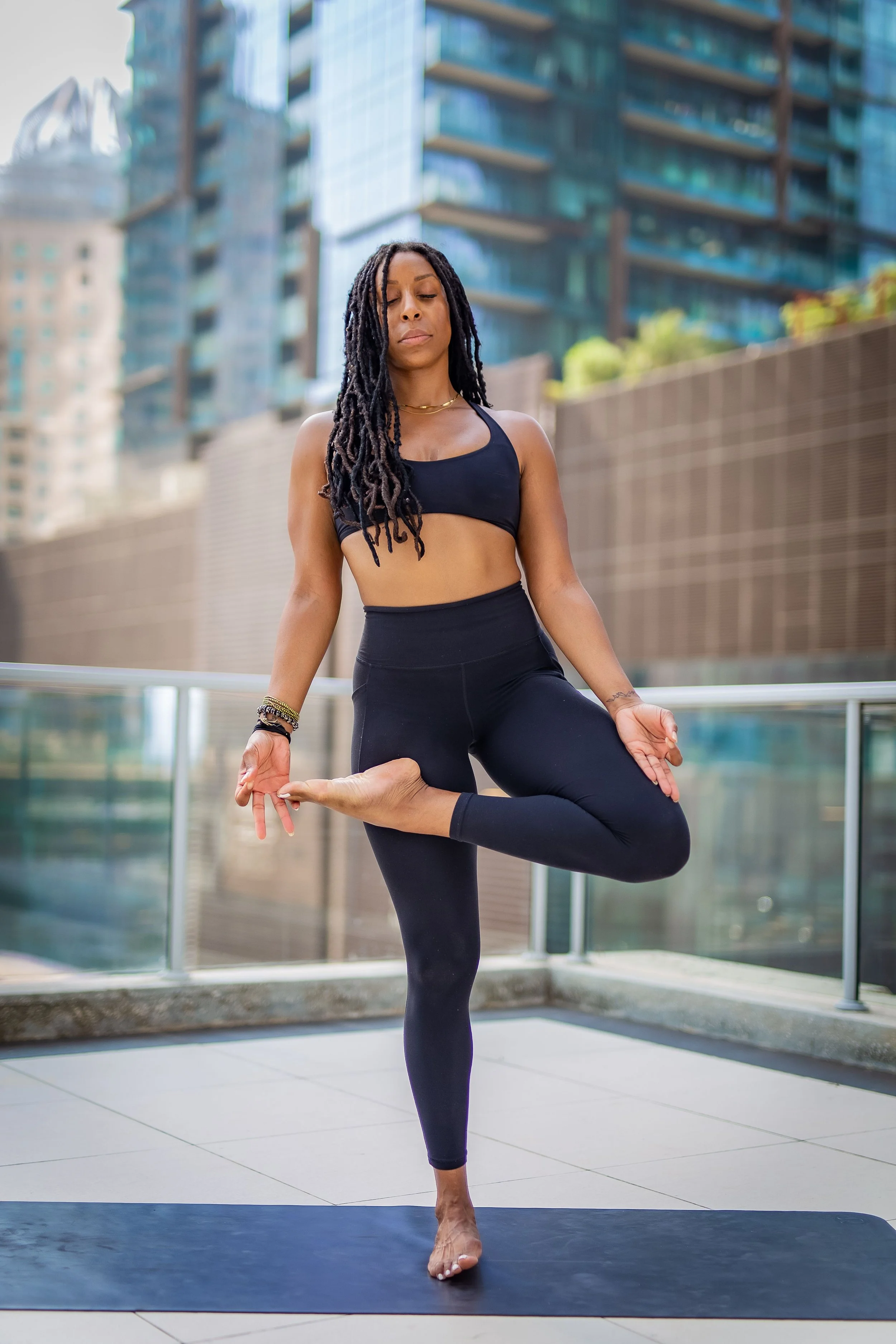
Her second observation is practical: notice whether you spend the day sucking in your stomach or clenching your buttocks.
These habits can become so familiar that you barely register them. Crouch encourages allowing the abdomen and rib cage to move naturally with the breath, giving the diaphragm, core, and pelvic floor an opportunity to work together rather than staying rigid.
It is a thoughtful reminder for anyone who associates a strong core with holding everything tightly all day. A movement practice also needs room for release.
That is the thread running through Crouch’s commentary: understand what your body needs, ask questions when something feels wrong, and make awareness part of the routine.
Let Recovery Travel With You
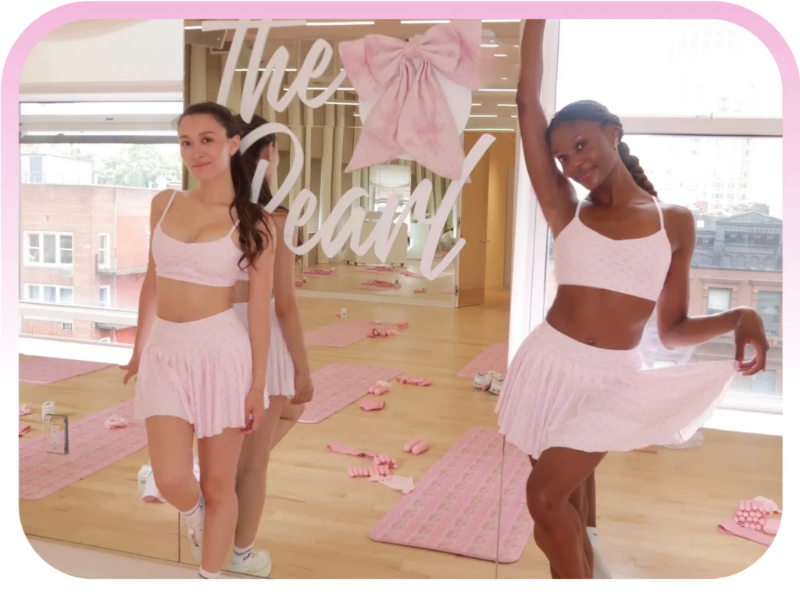
For Ella Titus, a professional ballet dancer and Certified Pilates & Sculpt Instructor at The Pearl in New York City, movement extends well beyond a scheduled class. Rehearsals, teaching, and getting around the city keep her on her feet.
“As a professional ballet dancer and group fitness instructor at The Pearl in New York City, I’m on the go and on my feet often,” she shares.
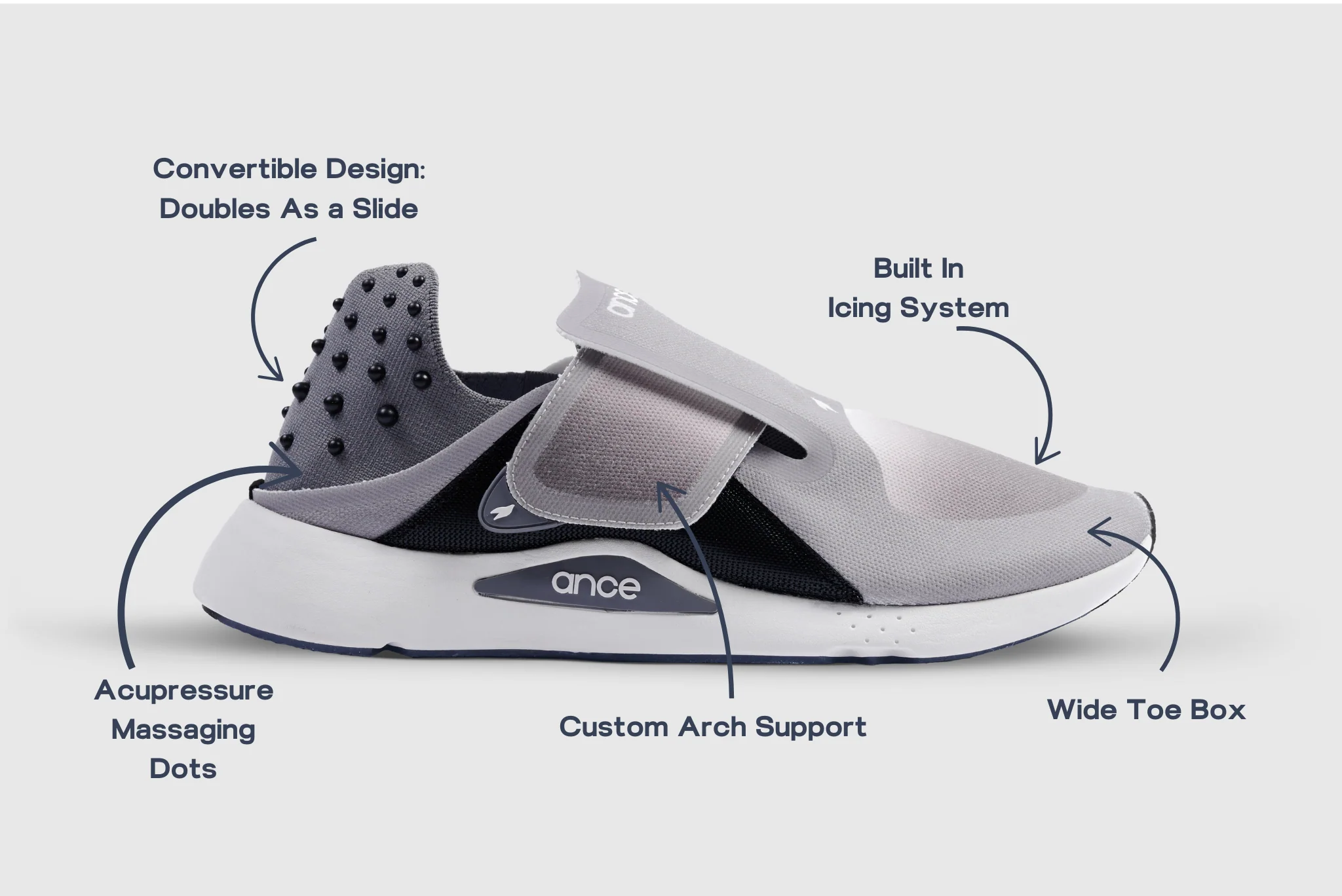
Titus wears Ance Recovery sneakers between rehearsal and teaching and uses the fold-down heel with its acupressure dots. Her recommendation brings an everyday dimension to this edit: consider what happens after you roll up the mat or leave the studio.
Ance’s design combines a wide toe box, an adjustable strap, a convertible heel, and a forefoot pocket for the brand’s ice packs. The thoughtful details make it an interesting option to explore for the trip home from class or the busy hours between appointments. Learn more: Ancerecovery.com
Sometimes the most useful addition to a routine is the one that fits into the hours you are already moving through.
The Post-Class Body-Care Ritual
The transition out of a workout deserves a little attention, too. A shower, comfortable clothes, and a few unhurried minutes can make the end of a class feel like part of the experience.
Kyoto Botanicals (re)CHARGE CBD Sports Cream is a body-care option for that moment. The formula contains 1,000 mg of broad-spectrum CBD per container, alongside menthol, camphor, botanical ingredients, and safflower oleosomes. The brand describes a non-greasy finish and a fresh botanical scent.
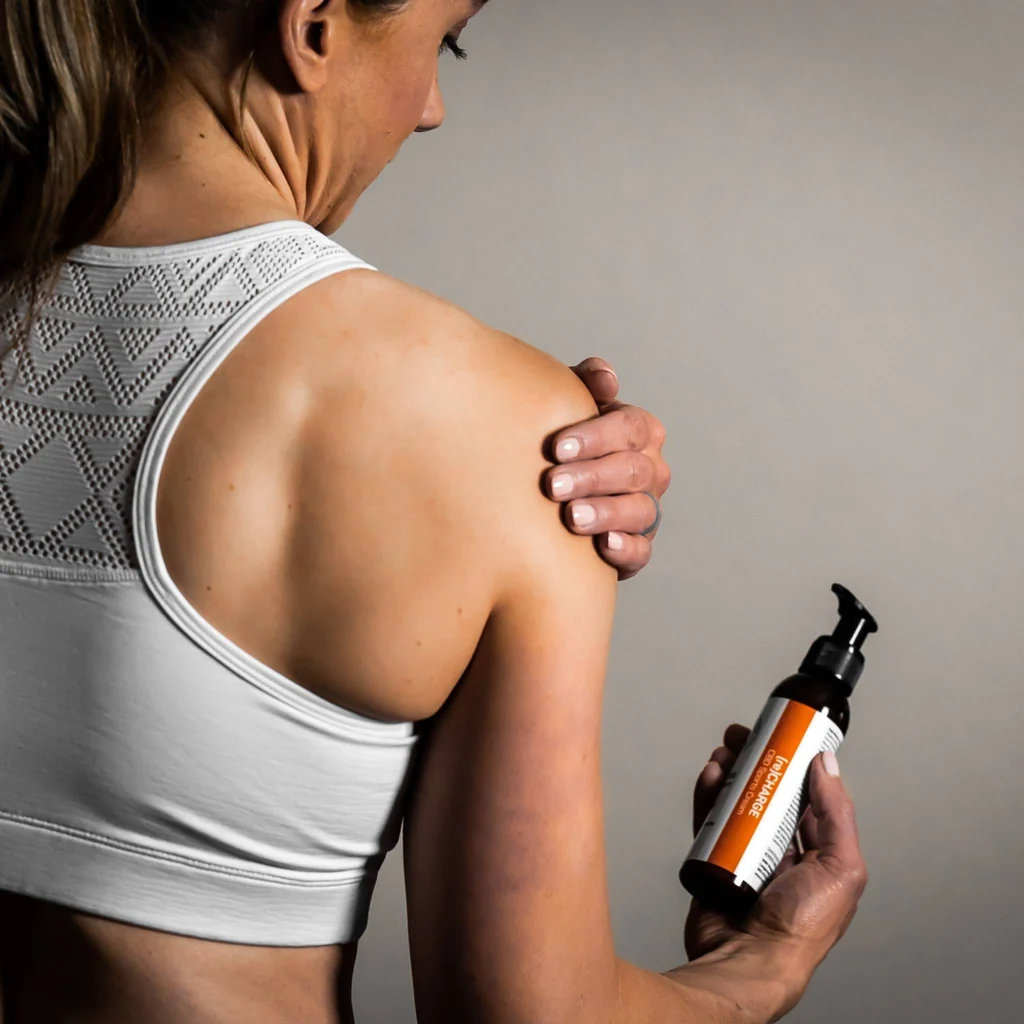
Priced at $55 for the 4-ounce bottle, it is an option to explore if you enjoy incorporating a topical cream into your body-care routine. Follow the product’s directions, including washing your hands after application and avoiding contact with the eyes and face.
The appeal is in the pause it creates: taking a few minutes to apply a cream, notice how your body feels, and ease into the next part of your day. It is an optional addition to the ritual, alongside rest and an appropriately paced movement routine. Shop: Kyotobotanicals.com
Make Room for a Practice You Can Return To
An intentional movement space can be modest: enough clear floor for your mat, a place to keep props within reach, and a setting that makes it easy to begin. The most beautiful version is the one you use.
Choose instruction that helps you understand the movement. Let questions about pain, technique, or pelvic symptoms become part of the conversation. Give the quieter parts of the routine a place on the calendar, too.
Build something personal: strength that supports your day, movement that holds your attention, and a little care for the hours between classes.