The changes can arrive quietly: a night of interrupted sleep, skin that feels unfamiliar, or a day when your usual energy seems harder to find. This guide brings together expert perspectives and selected resources to help women make sense of midlife and find support that fits everyday life.
For some women, the first step is an appointment where they finally feel heard. For others, it is a more comfortable daily routine, a clearer understanding of their symptoms, or a conversation with someone who knows this transition firsthand. Menopause Awareness Month offers an opportunity to bring those needs into focus.
Begin With Care That Takes Your Questions Seriously
When several things change at once, it can be difficult to know which concern to mention first. The right starting point is a conversation that gives your experience time and attention.
Aura Wellness: A Practitioner Who Stays With the Conversation


For Algery Al-Hafi, MSN, APRN, FNP-C, founder of Aura Wellness, feeling heard is where good menopause care begins. Her Florida-based telehealth practice gives women direct access to the same practitioner from their first consultation through follow-up care.
An AANP-certified family nurse practitioner, Algery brings more than a decade of experience across internal medicine, family practice and interventional pain management. She considers a woman’s medical history, symptoms and appropriate testing together, then adjusts care as needs evolve.
That conversation includes concerns women may hesitate to mention. Vaginal dryness and painful sex have a place alongside interrupted sleep, fatigue and changes in daily functioning. For women who have struggled to explain several symptoms in a brief appointment, having someone make room for the full picture can be a meaningful beginning.
Care is fully virtual for women throughout Florida. Learn more Theaurawellness.com
Osteopathic Midlife Health: Connecting the Questions That Feel Separate

A woman may arrive with questions about sleep, weight, thyroid function and menopause without knowing how—or whether—they connect. Dr. Rebbecca Hertel, DO, MSCP, founded Osteopathic Midlife Health to give those questions a more coordinated place to be explored.
A board-certified osteopathic physician and Menopause Society Certified Practitioner, Dr. Hertel works directly with patients at every visit. Care begins with a Clarity Visit, followed by appropriate evaluation and a discussion of next steps. Her practice offers structured 24-week programs addressing hormone care, wellness and weight concerns, or thyroid care.
The approach keeps continuity at the center: women return to the physician who knows their history and can review how they are doing over time. All appointments are virtual, and the practice works alongside a woman’s primary care and OB-GYN providers.
Dr. Hertel is also an Adjunct Clinical Assistant Professor at LECOM and speaks nationally on midlife women’s health. Her invitation is simple: make midlife make sense.
Make Room to Understand What Is Changing
Information can be easier to absorb when there is time to ask questions, reflect and hear from other women. That support may come through a small-group experience or a book you return to at your own pace.
The Resting Wolf: Education, Rest and a Community to Return To


Amber Alexander Solano created The Resting Wolf in 2026 after more than 25 years in corporate leadership, including work at Amazon. A certified menopause coach, she pairs her professional experience with her own midlife journey to create the community and care she had been seeking.
The Illuminate Retreat, February 5–7, 2027, brings 10–12 women together for three days and two nights of expert education, gentle movement, farm-to-table meals and candid conversation. Starting at $1,395 for a shared room, the experience includes nutrition and fitness planning alongside opportunities to rest and connect.
For women who prefer to participate from home, the Illuminate Virtual Deep Dive begins in March 2027. The $495, eight-week program includes weekly live sessions on hormones, pelvic health, nutrition, movement and midlife identity.
Participants finish with a personal action plan, a one-on-one check-in with Amber and three months of continued cohort community—giving the conversations somewhere to continue after the course ends.
Restoring Balance: A Bigger Picture of Women’s Health


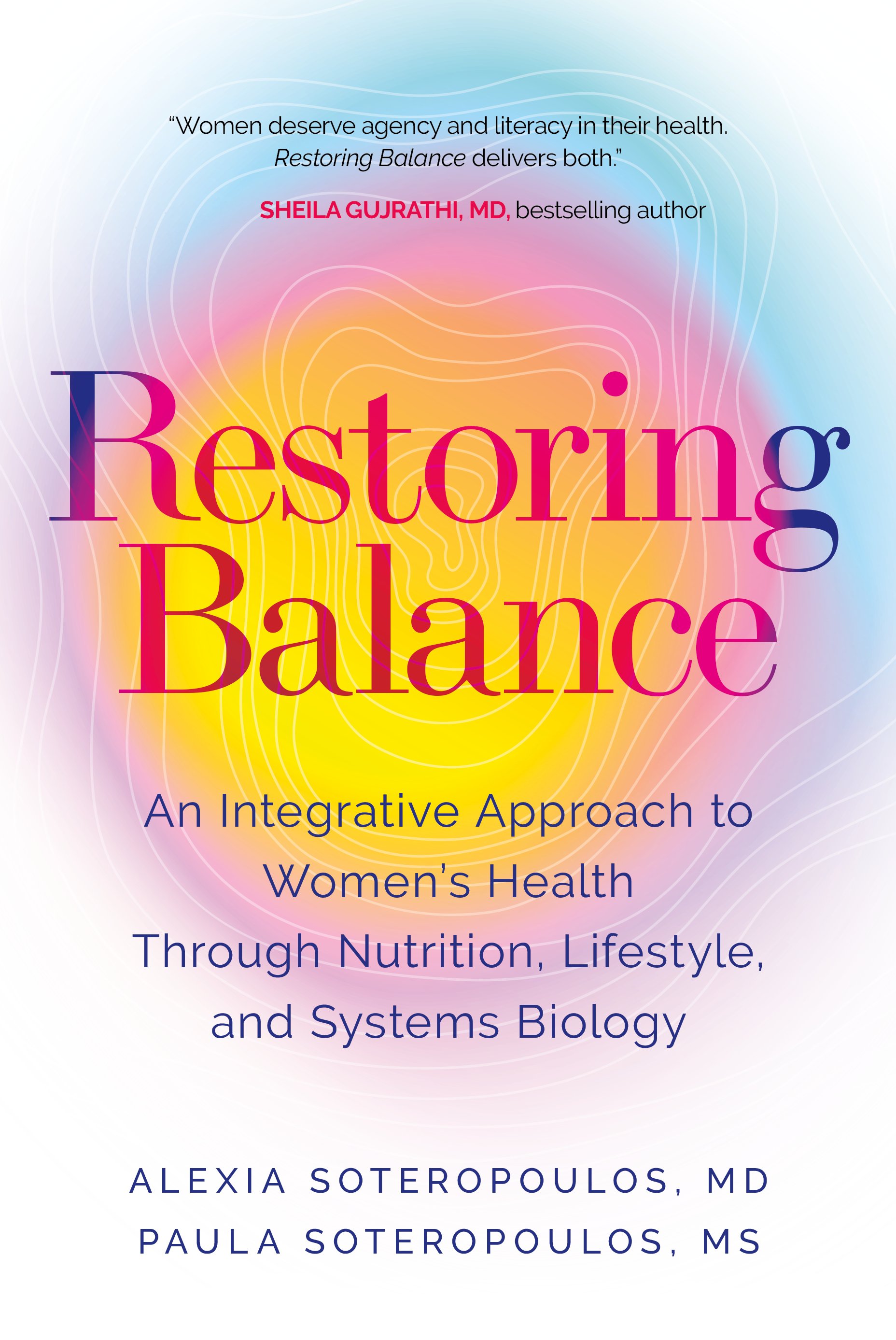
When symptoms are discussed one at a time, it can be difficult to understand the larger picture. Restoring Balance: An Integrative Approach to Women’s Health Through Nutrition, Lifestyle, and Systems Biology invites readers to explore how hormones, nutrition, sleep, stress, movement and other aspects of health interact.
Its authors bring two perspectives to that conversation. Alexia Soteropoulos, MD, is an integrative medical doctor and women’s health expert. Her mother, Paula Soteropoulos, MS, is a biotech entrepreneur and former CEO with more than three decades of experience bringing medicines to patients.
Together, they connect the personal experience of seeking answers with broader questions about research, healthcare and innovation. The book offers frameworks for recognizing patterns, preparing questions and becoming a more informed participant in care.
Its Ten Pillars of Women’s Health include nourishment, movement, rest, connection and informed advocacy. Published by Amplify Publishing Group, the $32 hardcover offers readers something to revisit as their questions evolve.
Give Everyday Comfort a Place in the Plan
Support needs to fit the hours between appointments, too. Food that is convenient, skincare chosen thoughtfully and attention to intimate comfort can all have a place in an ordinary day.
E3 Energy Cubes: Flavor and Convenience for Full Days

Jacqueline Smith created E3 Energy Cubes while pursuing her own health goals and working professionally. She wanted food that fit her lifestyle without making flavor feel like a compromise—a practical idea behind this women-owned small business.
The protein bars use egg-white protein and offer fiber in a format that is easy to work into a busy schedule. They are gluten-free, dairy-free and soy-free, with six submitted flavors: Almond Cherry, Peanut Butter & Chocolate, Lemon Blueberry, Orange Cranberry, PB&J Strawberry, and Apple Cinnamon.
For a woman balancing work, appointments and family responsibilities, having a familiar option ready can make eating during a full day a little simpler. E3 offers that kind of convenience without requiring another recipe or preparation routine.
Enjoy the bars cold or at room temperature, following package instructions for storage, including refrigeration upon arrival.
AK Botanicals: A Focused Approach to Midlife Skincare
Skincare in midlife can involve several questions at once, from how a familiar routine feels to the appearance of areas that have had years of sun exposure. Howard Hirsch, founder of the family-founded American company AK Botanicals, brings attention to that often-overlooked part of everyday care.
The company’s AKti-Clear® Targeted Botanical Skincare is a highly concentrated botanical skincare solution designed for precise, targeted application to sun-exposed skin.

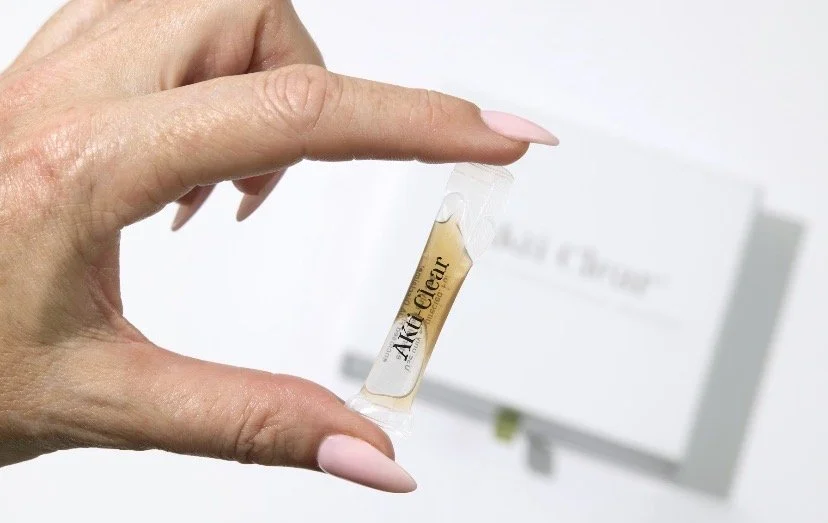
The broader invitation is to pay attention to skin as part of aging well: notice changes, maintain regular professional care and choose products with a clear understanding of their intended use. Persistent rough patches and new or changing spots should be assessed by a dermatologist.
AK Botanicals offers free U.S. shipping and a 60-day money-back guarantee.
Power Play Studio: Making Intimate Comfort More Approachable
Intimate comfort can be easy to postpone when other needs fill the day. Elmer Whittaker, founder and Managing Director of Power Play Studio, includes it in the wellness conversation through an online store offering private, discreet shopping.
For this feature, the store’s selection is Wicked Sensual Care Aqua Sensitive Water Based Lubricant, an unscented, water-based formula made without glycerin or parabens. It contains aloe, olive leaf extract and vitamin E and is offered in an 8-ounce bottle for $23.96.

The online shopping format gives women time to review product information privately, and U.S. orders arrive in plain, unmarked packaging. That attention to the experience of buying can matter when a subject still feels uncomfortable to discuss.
Choosing a lubricant is one practical part of personal comfort. Persistent dryness, irritation or pain also deserves a conversation with a healthcare professional.
When Sleep and Sweating Start Shaping Your Day
Describe the Night You Are Actually Having
“Poor sleep” can mean several different experiences. Perhaps you fall asleep easily but wake repeatedly. Perhaps the bedroom feels comfortable when you get into bed, then you wake hot and need to change something. Or perhaps you lie awake thinking about tomorrow long before the alarm sounds.
Those distinctions are worth recording. A simple note might include when you went to bed, what woke you, what you tried and how you felt the following morning. You do not need a perfect sleep score or a new device to begin gathering observations. The purpose is to make the experience easier to explain.
Think about the practical details as well. Are spare nightclothes within reach? Is your bedding comfortable? Does your evening leave any time to settle, or are you answering messages until the moment you turn out the light? These questions can help you identify adjustments worth trying while you seek advice about persistent difficulties.
At follow-up, describe the effect on your day. Struggling to concentrate at work, feeling too tired for familiar activities or worrying about the coming night gives your provider context beyond the number of hours spent in bed.
Tiffany Jackson, a high performance specialist focused on sleep and nervous system regulation, encourages a gentler transition into rest. Her suggestions include a consistent wind-down, slower breathing, meditation and a cool bedroom. These practices can make the evening feel less demanding without turning bedtime into another task to perform perfectly.

Begin with something manageable: set aside a few minutes to unwind, make the bedroom comfortable and notice which habits help you settle. Ongoing sleep difficulties deserve assessment, particularly when they are affecting daytime functioning.
There is also a practical side to feeling comfortable during sweaty moments. The Swet Band, created by Austin Lite, is a standalone under-bust band designed to absorb sweat and help keep it off skin and clothing. Some customers also wear it at night.

Available in sizes XS–XXL for $28, it offers a discreet option for women who find themselves reaching for a change of clothes. The business ships to the United States, Canada and Australia.
Nourish the Body You Are Asking to Do So Much
Make the Plan Easier to Repeat
Nutrition advice has to survive the day it is meant for. A beautifully planned menu is less useful if it requires time, ingredients or energy you rarely have. Start by looking at the meals that are hardest to manage: breakfast before work, lunch between appointments or dinner when everyone wants something different.
Choose a few reliable options you enjoy and can prepare without much thought. A shopping list built around familiar meals can reduce the work of deciding what to eat. If you work with a dietitian, bring those real constraints into the discussion, along with your preferences, budget and any foods you avoid.
It can also help to describe your goals in everyday terms. You might want lunch that carries you through an afternoon meeting, a routine that leaves room for family dinners or a plan that supports an activity you love. Those details give nutrition guidance a practical purpose.
The same principle applies to movement. Think about where an activity could fit, what equipment or instruction you need and which obstacles have made past plans difficult. A plan that accounts for your actual week is easier to assess and adjust than an ideal schedule that never quite happens.
Changes in how clothes fit can make food feel complicated. Before responding with stricter rules, it can help to ask whether your routine is supporting your energy, activity and ability to recover.
Rachel Harvest, MS, RDN, CDN, LD, IFNCP, founder of The Harvest Method, encourages looking at nourishment, muscle, mood and sleep together. Her practical suggestions include bringing protein into meals, making time for strength training and noticing how a poor night affects eating patterns.

A registered dietitian can help translate those priorities into meals that fit your preferences, schedule and health needs. The useful outcome is a plan you can sustain, with enough flexibility for real life.
That perspective connects with the guidance of Jenny Liebl and Brooke Jeffries, co-creators of the ISSA Menopause Coach Certification. Liebl emphasizes strength training and attention to muscle and bone health. Jeffries brings nutrition into the same discussion, including protein, fiber, plants, sleep and stress.
Together, their contributions encourage women to give movement and recovery deliberate attention. If you are beginning a new exercise routine, appropriate instruction can help you find a starting point and progress at a pace that suits your abilities.
Give Bone Health a Longer View
Not every health priority produces an obvious daily symptom. Brianne Bovenizer, certified in holistic nutrition, brings bone health into the conversation through her work with AlgaeCal.

The brand’s submitted lineup includes AlgaeCal Plus, Magnesium Relax and Collagen. These products offer different options for a supplement discussion, with attention to the current labels, your dietary intake, medications and medical history.
A bone-health conversation should also make room for personal risk factors, appropriate screening and movement. Products are one possible part of that discussion; identifying what you need comes first.
Laura Piccone, founder of Novucor Health Supplements Rx, makes a similar point about keeping fundamentals in view. Her submitted offerings include Premium Menopause Support at $21.99 and Magnesium Glycinate at $19.99.
For readers exploring supplements, bring the ingredient list to a clinician or pharmacist and ask how it fits with what you already take. Understanding the purpose of each product can help avoid building a routine around promises that are broader than the evidence.
Let Your Skin and Hair Routine Evolve
Edit With Intention
Before adding several products at once, take a little inventory. Which cleanser, moisturizer and styling products are you using? Have any recently changed? What concern are you hoping to address, and when did you first notice it? Bringing that information to a professional can make a consultation more useful.
Skin that feels tight after cleansing is a different concern from a spot that has changed in appearance. Hair that seems less full is a different observation from an irritated scalp. You do not have to identify the cause yourself; describing what you notice is enough to begin.
When considering a product or service, ask what it is intended to do, how it should be used and when you should review whether it suits you. For a prescription, that discussion should include possible side effects and follow-up. For a cosmetic, look for a clear explanation of its intended use.
Give yourself permission to make considered choices. A changing appearance does not create an obligation to buy everything suggested to you. Comfort, professional assessment and your own priorities can guide which steps deserve attention now and which can wait.
Dr. Jessica Weiser, board-certified dermatologist and founder of Weiser Skin MD, emphasizes barrier-supporting moisturizers, thoughtful use of retinoids and a response to irritation that begins with adjusting the routine.
Instead of pushing through new redness or flaking, consider which products may need to be used differently and which concerns warrant a dermatologist’s assessment. The aim is care that feels appropriate for your skin now.
Hair changes also benefit from a broader look. Alena Weissenbaeck, a certified Hair Practitioner and founder of WELAB BIOTECH, emphasizes that midlife shedding and thinning may involve several factors, including genetics, stress, nutrition, medications and health conditions.
Her brand’s hormone-free multi-peptide scalp serum includes copper peptide and ectoin. Its cosmetic focus offers one option to explore while seeking an assessment of persistent or noticeable hair changes.

For women exploring prescription options, Hair Cultivated, co-founded by Victoria Eisner and Dr. Kira Mengistu, begins with an online medical questionnaire reviewed by a doctor. Treatment depends on clinical suitability. The Serum at $130 per month, the Pill at $90 per month, and the Complete System at $180 per month. Ask about the proposed ingredients, expected timeline, potential side effects and follow-up so you understand what a treatment plan involves.
Bring the Symptoms You Almost Didn’t Mention
Prepare for a More Useful Appointment
An appointment can move quickly, especially when you have several concerns. Before you go, write down the two or three changes having the greatest effect on your life. Add when they began, how often they happen and what you would most like help understanding.
Bring an accurate list of medications and supplements, along with questions about anything you are considering adding. It is easier to review a specific label or formulation than a general description remembered from an advertisement. If you are uncertain how to describe an intimate concern, plain language is enough: explain what feels uncomfortable and when it happens.
During the conversation, ask what the proposed next step is meant to clarify. Will there be an examination, testing, a treatment discussion or a review after a period of observation? You can also ask which changes should prompt earlier contact and how to reach the practice between visits.
Before leaving, make sure you understand the plan in your own words. It is reasonable to ask for something to be explained again or written down. The goal is to leave knowing what you are doing next, rather than trying to reconstruct the conversation later from memory.
Sarah Shealy, MSN, CNM, MSCP, founder of Hey Elli Midlife Health and Meno Learning Lab, encourages including vaginal dryness, painful intimacy and urinary symptoms in menopause care. Her work combines patient care in Los Angeles with education for clinicians.
Describe the symptom, how often it happens and what it makes difficult. That gives your provider a clearer starting point for assessment and a discussion of appropriate options.
Jamie Winn, PharmD, Medical Director at Universal Drugstore, brings attention to less familiar concerns, including palpitations and burning sensations in the mouth. He emphasizes evaluation rather than automatically attributing new symptoms to menopause.

Persistent mouth discomfort should be assessed by a dentist or healthcare professional. Frequent or persistent palpitations also warrant assessment; palpitations with chest pain, fainting or significant shortness of breath require immediate medical attention.
Changes in concentration and coping deserve thoughtful discussion as well. Dr. Julie Landry, PsyD, ABPP, co-founder of NeuroSpark Health with Dani Rodwell, highlights the experiences of women with ADHD and autism, including those whose differences were missed earlier in life.
The practice offers virtual adult autism and ADHD assessments that consider masking, compensation and burnout. Its perspective invites women to explore what has changed instead of assuming that greater effort alone will solve the problem.
Keep Curiosity—and Your Personality—in the Picture
Choose Information You Can Use
A growing conversation brings more resources, but it can also leave you with more tabs open than answers. A book, podcast or article is most useful when it helps you understand a question, recognize something worth discussing or prepare for a decision.
As you read, notice the difference between a personal story, a professional perspective and a product promise. Each can appear in the same conversation, but they offer different kinds of information. One woman’s experience may help you feel less alone without predicting how your own body will respond.
Keep a short list of questions rather than feeling you need to remember everything. You might want to ask about a symptom, understand the purpose of a proposed treatment or clarify whether a supplement would overlap with something you already take. Bring the specific source or product details when they are relevant.
There is also room to step away. You do not have to spend every spare hour researching menopause to take your health seriously. A manageable amount of useful information, followed by a conversation with the right professional, can serve you better than an endless search for certainty.
Learning about menopause does not have to mean seeing yourself only through symptoms. There is room for information, humor and a sense of who you are beyond the next appointment.
Diane Dean-Epps, humorist, author, podcast host and founder of BANGS ’N’ BOTOX™, calls this chapter the NEVER-PAUSE. Her “Menopause? NEVER-PAUSE!” racerback tank, priced at $24, carries a spirited message about remaining active, visible, ambitious and engaged.

It is a lighthearted addition to a conversation that can otherwise become heavy—and a reminder that women bring their own personalities to this experience.
For a deeper read, The Menopause Manifesto: Own Your Health with Facts and Feminism by Dr. Jen Gunter explores misinformation, stigma and the silence surrounding women’s midlife health.
The $19.95 paperback gives readers room to spend time with questions that are difficult to cover in a short conversation. Keep a notebook nearby as you read, and bring the questions that matter to your next appointment.
Build Support Around Your Actual Life
Decide What Deserves Attention First
When several parts of life feel unsettled, trying to change everything at once can make it harder to see what helps. Begin by identifying the concern that is taking the most from your day. It may be sleep, physical discomfort, uncertainty about care or simply the work of keeping all your questions organized.
Choose a next step that matches that concern. Arrange a consultation, write down the pattern you have noticed or ask a trusted person for practical help making time for an appointment. If you have been postponing a conversation because you cannot explain it perfectly, begin with what you do know.
It can help to define what a useful change would look like in your own life. You might want to feel more comfortable during a workday, understand a treatment recommendation or have a clear follow-up plan. These are concrete goals you can return to when assessing whether support is meeting your needs.
Your priorities may change. Something that felt manageable a few months ago may now need attention, while another concern may become less pressing. Leave room to revisit the plan rather than treating the first version as a permanent set of instructions.
Make Support Easier to Reach
Think about the practical side of getting help. Know how to contact your practice, where to keep appointment notes and whom you can ask to help protect time for care. If you are exploring a new service, ask about costs, availability, follow-up and the parts of care it provides.
You may prefer a local appointment, a virtual consultation, a small-group experience or time spent reading before deciding what to do next. These preferences matter because support has to be usable. The right format should make it easier to participate, ask questions and understand the plan.
Give the people close to you something specific to respond to as well. Explaining that you need uninterrupted time for an appointment or help with an evening responsibility can be more actionable than hoping someone notices you are stretched. You are allowed to ask directly.
Keep the larger purpose in view: a daily life with more understanding, appropriate care and room for your own needs. Progress may be a question answered, a concern taken seriously or a routine that finally fits. Those changes deserve attention alongside any measurement or milestone.
You may begin with a question about sleep and discover that you also need help with nutrition, intimate comfort or the emotional demands of this chapter. Give those observations space.
The most useful routine is one you can live with, supported by people who take your questions seriously. Some days, that means an appointment. Other days, it means a nourishing meal, comfortable clothing or a conversation that leaves you feeling less alone.