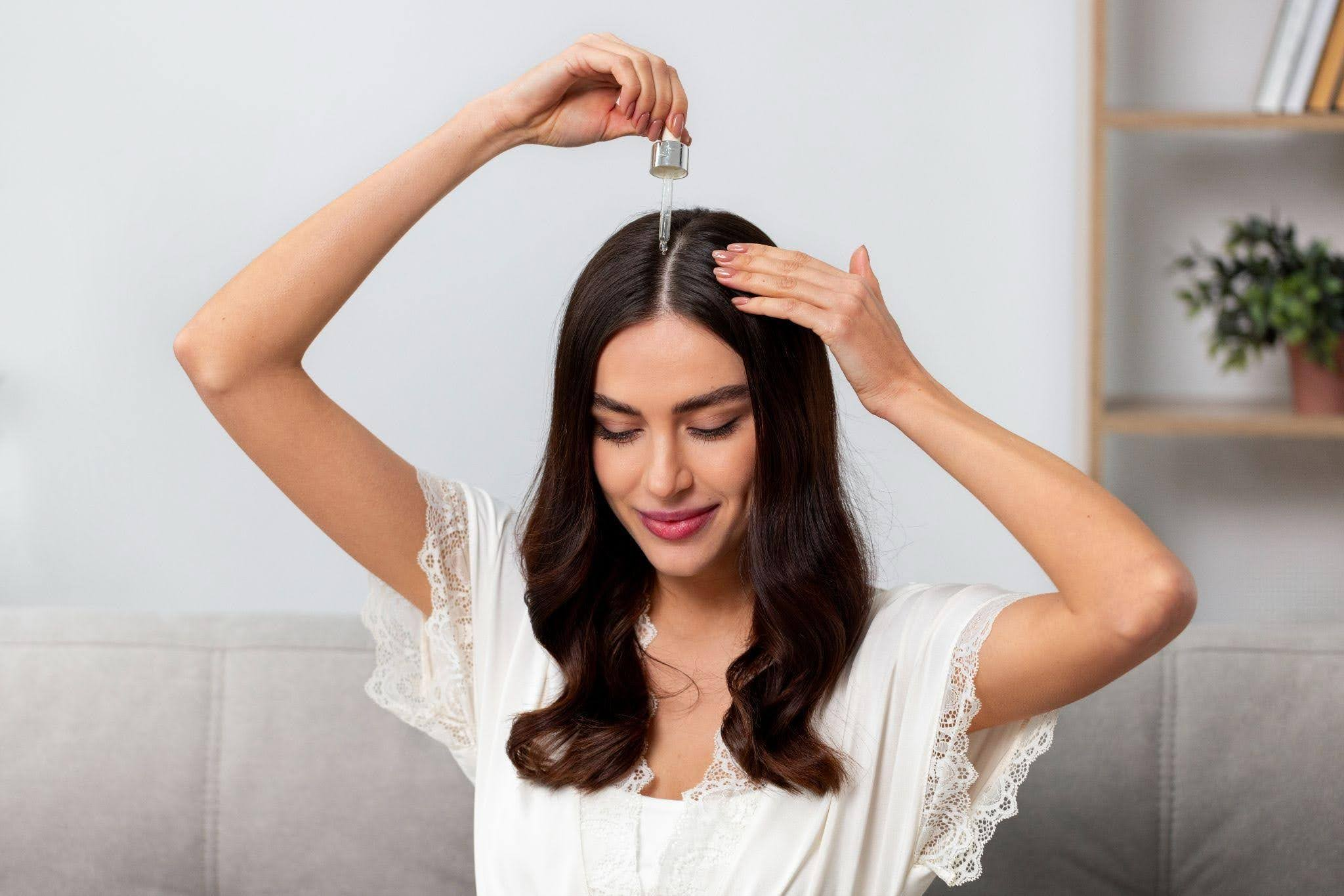
Walk into any Indian household and you'll find a bottle of hair oil somewhere — on the shelf, in the bathroom, or being warmed on the stove. Oiling hair is deeply rooted in our culture, passed down through generations with genuine belief. But at some point, most people start wondering: is this actually doing anything for hair growth, or is it just a comforting ritual? The answer is more nuanced than a simple yes or no.
What Hair Oil Actually Does to Your Scalp
When you massage oil into your scalp, a few things happen. The physical act of massaging increases blood circulation to the hair follicles, which helps deliver more oxygen and nutrients to the roots. Some oils also have anti-inflammatory or antimicrobial properties that can keep the scalp environment healthier. A healthier scalp generally means less buildup, less dandruff, and less irritation — all of which can indirectly support hair growth.
But here's what oil doesn't do: it doesn't penetrate deeply into the hair follicle to stimulate new growth on its own. The follicle is a living structure beneath the skin, driven by hormones, nutrition, and genetics. Oil works at the surface level, not the cellular level.
The Difference Between Retaining Hair and Growing Hair
This distinction matters a lot. Hair oiling is excellent for reducing breakage. When hair strands are dry and brittle, they snap easily — especially during combing or styling. Oil adds a layer of protection to the hair shaft, reduces friction, and keeps moisture from escaping. So if you're losing hair due to breakage, oiling can genuinely help you retain length and improve overall appearance.
However, if hair fall is happening at the root — meaning the follicle is shedding the hair before its natural cycle ends — oil alone won't stop that. Conditions like androgenetic alopecia, thyroid imbalance, or iron deficiency cause follicle-level disruption. No topical oil, however good, can override those internal factors.
Which Oils Have Some Evidence Behind Them
Not all oils are equal. A few have been studied with decent results:
Rosemary oil has shown promising results in some studies, with one finding it comparable to minoxidil in stimulating hair growth over six months
Castor oil is popular for thickness, though scientific evidence is limited — most support is anecdotal
Coconut oil has been shown to reduce protein loss from hair, making it one of the few oils that actually penetrates the hair shaft
Bhringraj and brahmi oils are widely used in Ayurveda and have some evidence for scalp health and follicle nourishment
If you're curious about formulations that combine these ingredients thoughtfully, reading a Traya Hair Oil Review can give you a clearer sense of how these ingredients work together in a clinically designed product.
Common Mistakes People Make with Hair Oiling
Even people who oil regularly often do it in ways that reduce its effectiveness or cause new problems:
Leaving oil on for days without washing can clog pores and worsen scalp conditions
Applying oil to an already dirty scalp traps buildup and bacteria
Rough scalp massage can cause more breakage, especially on wet or fragile hair
Using overly heavy oils on fine hair can weigh it down and make shedding look worse
The technique matters as much as the product. A gentle, consistent routine with the right oil is far more useful than applying any oil in excess.
When to Look Beyond Oiling
If your hair has been thinning steadily over months or years, oiling is unlikely to reverse it. Persistent hair loss usually signals something happening internally — hormonal shifts, nutritional gaps, chronic stress, or scalp conditions that need targeted treatment. Some approaches, like the one taken by scalp oil formulations from brands like Traya, are designed to work alongside internal treatments rather than replace them, combining scalp nourishment with a root-cause approach to hair health.
Final Thoughts
Hair oil isn't a myth, but it's not magic either. Used correctly, it supports scalp health, reduces breakage, and keeps hair in better condition. What it can't do is fix the underlying reasons why hair stops growing or falls out prematurely. If oiling has been part of your routine for years without meaningful results, it's worth asking whether the real problem lies deeper — in your body chemistry, stress levels, or nutrition — rather than in which oil you're using.