The founders and makers behind American-made beauty, style, home, and everyday essentials.
A good product often begins with someone noticing a problem and deciding to solve it. For the businesses in this spotlight, that first idea became something they now make in a U.S. studio, workshop, laboratory, or production facility.
Their work spans handcrafted haircare, personalized jewelry, outdoor décor, pet accessories, occasionwear, and more. Along the way, their stories reveal the time, care, and persistence behind products we bring into our homes and daily routines.
Victoria Heldt | Conscia
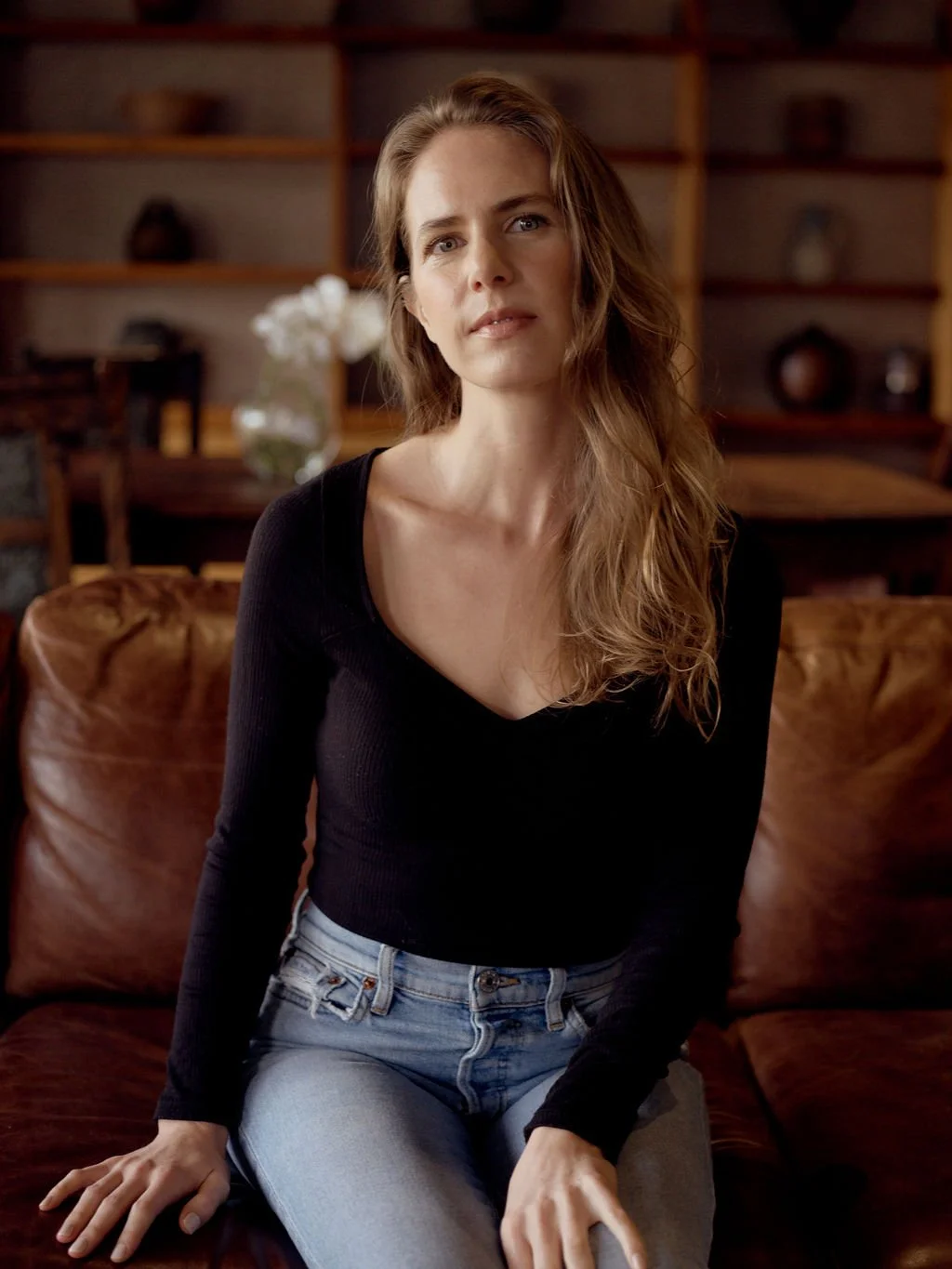

Conscia makes its haircare by hand in a garage-turned-laboratory in Portland, Oregon.
Co-founder Victoria Heldt describes the brand’s approach as nature-based, with carefully developed formulas focused on long-term hair health. Its collection includes solid shampoo and conditioner stones, along with hair and scalp oils.
The stones are formulated without water, concentrating the cleansing and conditioning ingredients into a solid product. For Conscia, the format also offers a way to reduce the water and plastic associated with conventional bottled haircare.
The Hydrate Shampoo Stone is formulated to gently cleanse and replenish moisture without weighing hair down. The brand describes its blend of vitamins, minerals, and antioxidants as supporting shine, softness, and manageability.
Priced at $38, it is described by Conscia as equivalent to two 8-ounce bottles of liquid shampoo.
Website: Conscia | Shop: Hydrate Shampoo Stone
Jason Walsh, Josh Malin & Iain McMichael | RISE311
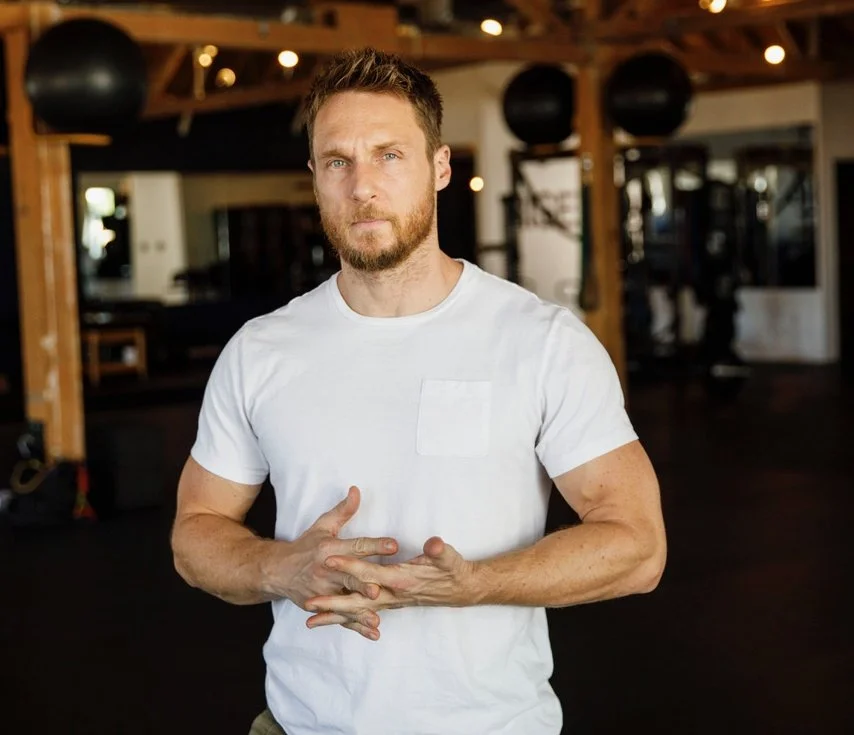
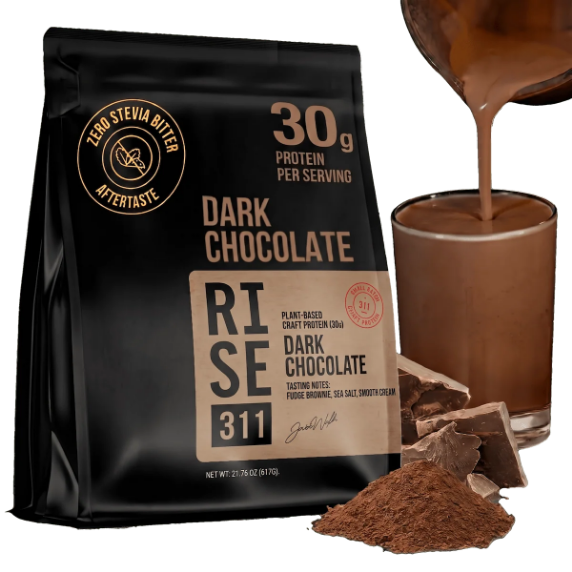
Before RISE311 had branded pouches, its early batches went to clients in unmarked brown paper bags.
Celebrity trainer Jason Walsh created the plant-based protein powder with co-founders Josh Malin and Iain McMichael. They mixed the first batches in Malin’s kitchen, spending more than a year and working through 311 recipes to develop the formula.
Today, the Calabasas-based brand offers flavors with tasting notes printed on each pouch. The Dark Chocolate blend uses non-alkalized cocoa, with notes of fudge brownie, sea salt, and smooth cream.
A 15-serving pouch is $58.50, with a brand-reported 30 grams of plant protein and 3 grams of leucine per serving.
RISE311’s powder is produced in a U.S. NSF GMP-certified facility and every batch is third-party tested for heavy metals.
Website: RISE311 | Shop: Dark Chocolate Plant-Based Protein Powder
Linda Brent, PhD, MBA | Blue Toby
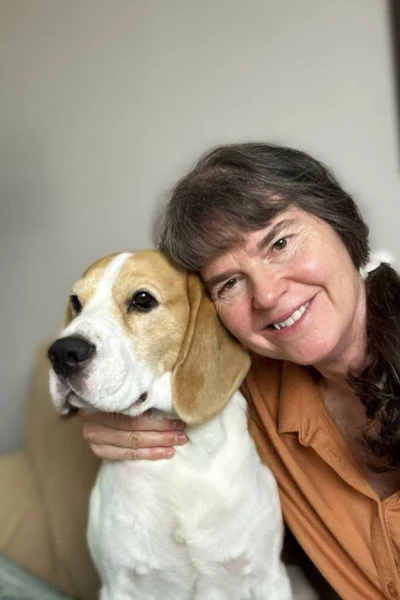
Linda Brent spent years working to improve animals’ lives before launching Blue Toby in 2021.
An animal behavior scientist and the founder and first director of Chimp Haven, Brent now applies that experience to designing pet beds and sleep accessories. She personally creates and tests the products.
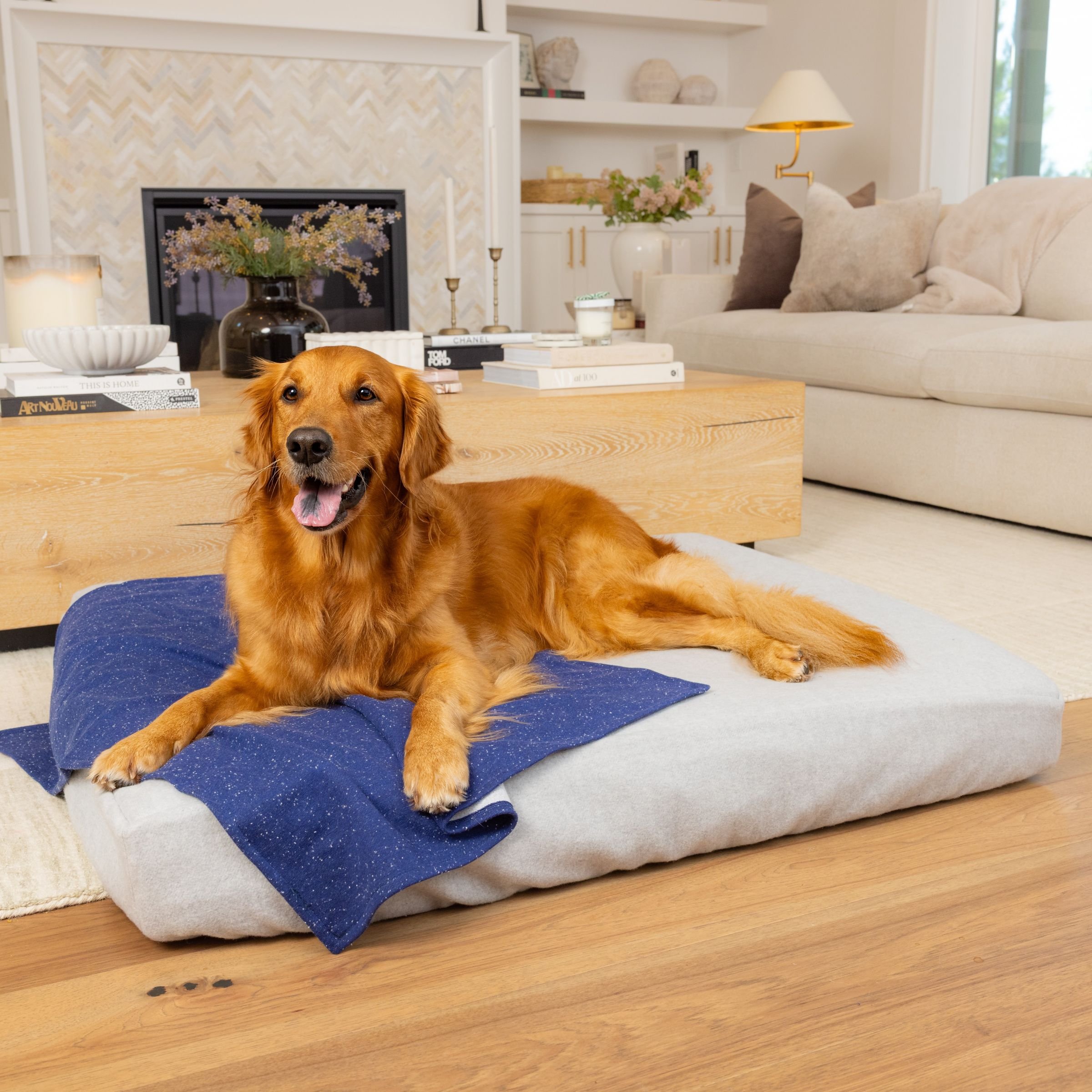
Based in Chapel Hill, North Carolina, Blue Toby works with a nearby woman-owned sewing business and constructs its mattresses onsite. The collection focuses on durable materials, comfortable resting spaces, and covers that are easy to care for.
The NaturaLuxe bed combines organic latex and cotton with a reversible, waterproof slipcover. Starting at $287, it carries a 10-year warranty.
The broader collection includes Eco Support and Classic Comfort beds, blankets, and the Nap Noodle, a flexible pillow that can be curved into a donut shape or stretched out.
Website: Blue Toby | Shop: NaturaLuxe Pet Bed
Anita Jenkins | Sustainaboo
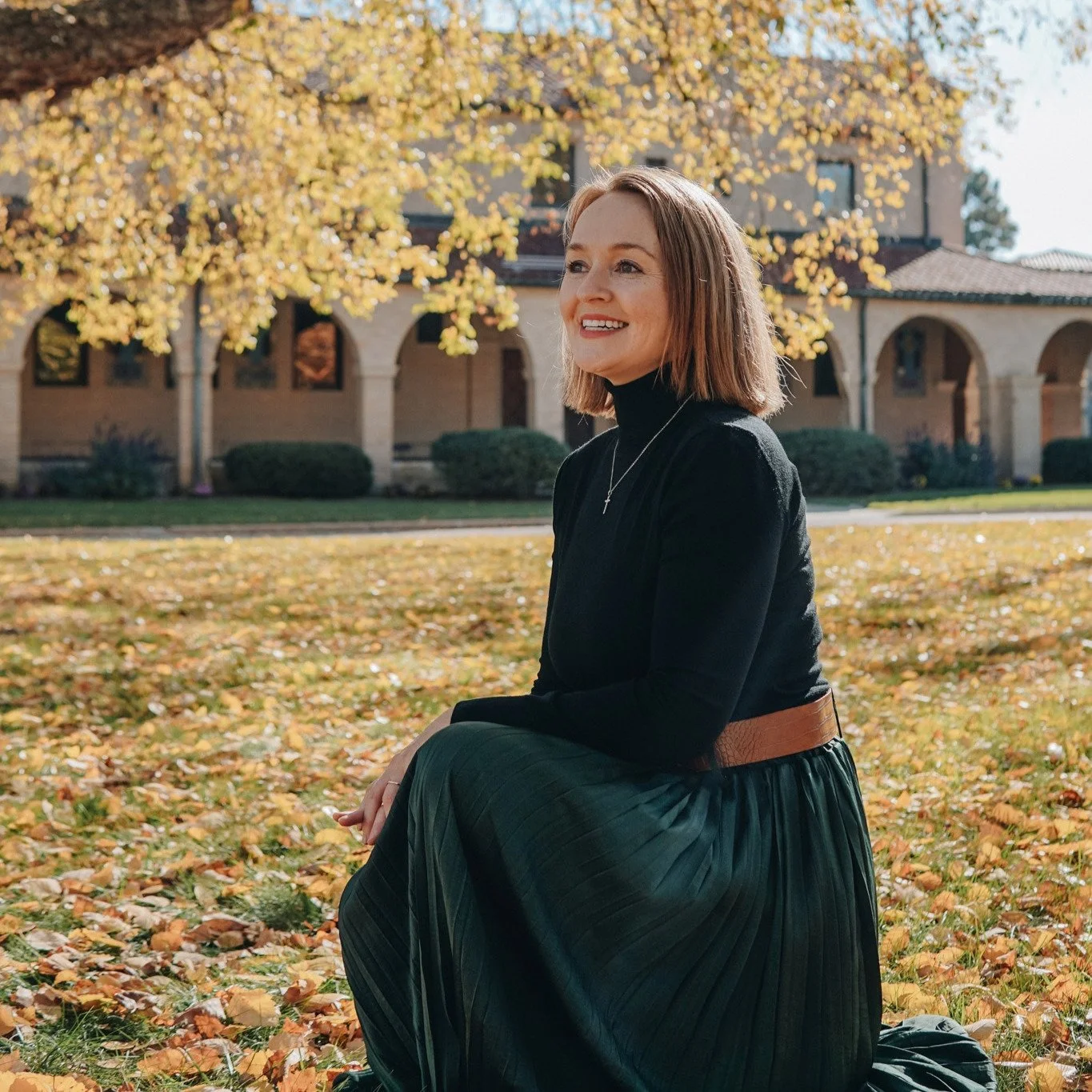
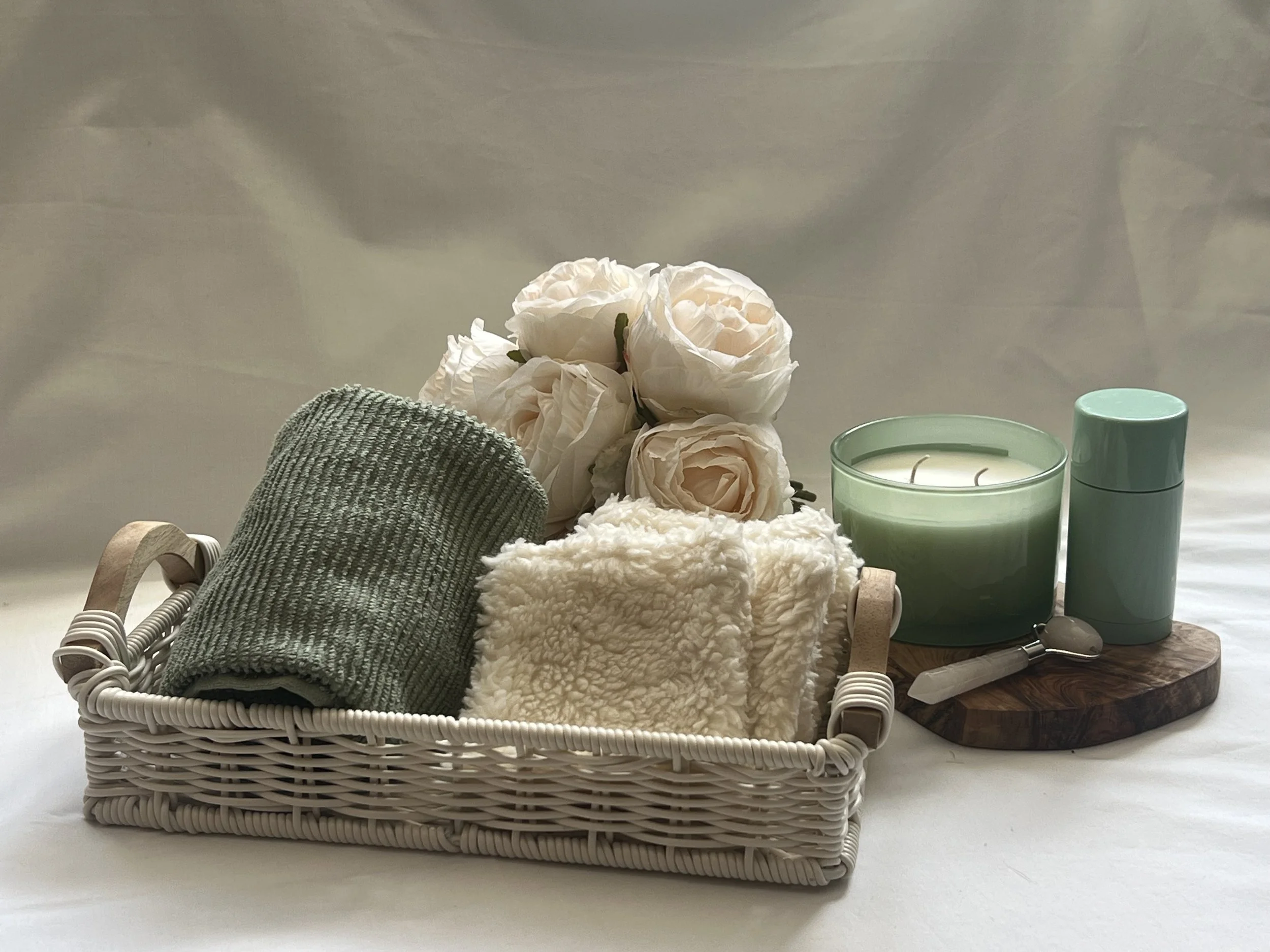
Anita Jenkins wanted reusable personal care products that felt soft, attractive, and easy to incorporate into a daily routine.
The idea for Sustainaboo began while she was living in Pacific Palisades, California. She brought the business to life after moving with her family to her hometown of Toledo, Ohio.
Its organic cotton cleansing pads are made in small batches in Austin, Texas. Sewing professionals cut and sew them using fabric sourced through independent U.S. suppliers, cotton thread, and plastic-free packaging.
The $25 Sustainaboo Sampler includes four styles: a plush square pad, two circular pads in different weights, and a flannel-lined pocket pad for added grip. Customers can try each before choosing a favorite for cleansing or makeup removal.
The pads are designed for repeated use, and Jenkins describes them as backyard compostable once they have reached the end of their useful life.
Website: Sustainaboo | Shop: Sustainaboo Sampler
Dave Horton | Nature Brackets
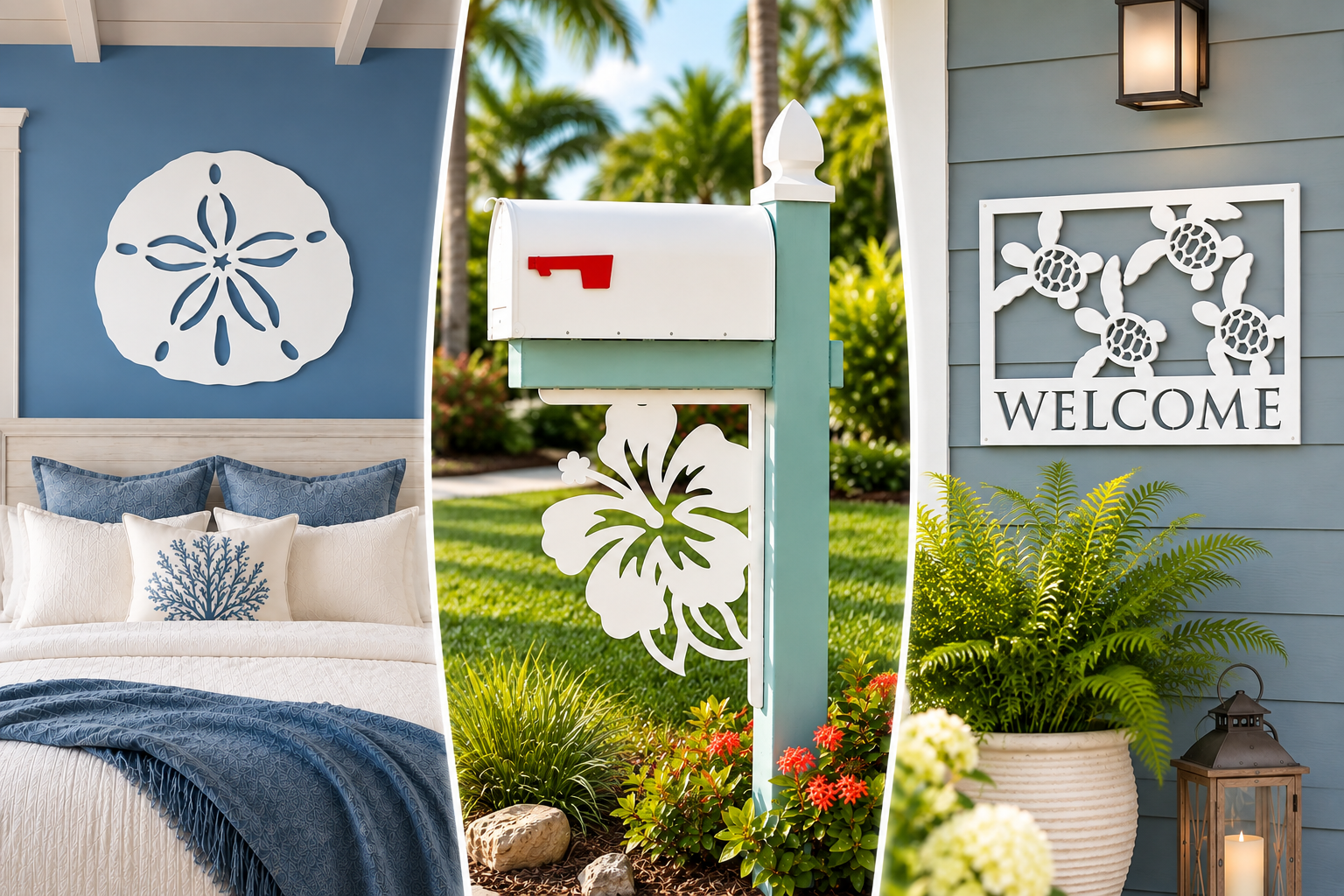
Nature Brackets began with a drawing and an empty space beneath a mailbox.
Professional illustrator Dave Horton sketched a palm tree bracket, then made the first version from wood. Neighbors asked for their own, encouraging him to turn the idea into a business.
Today, the family-run company in Fort Myers, Florida creates outdoor décor from Horton’s original artwork. The collection includes welcome plaques, personalized house-number plaques, mailbox and porch brackets, wall art, and hanging garden mobile kits.
The business eventually switched from wood to weather-resistant PVC to make the products easier to maintain outdoors. Horton still creates every design, with production and finishing handled by the family business in Southwest Florida.
The Turtle Welcome Plaque is $79.95. It arrives bright white and can be painted to coordinate with a home.
Website: Nature Brackets | Shop: Turtle Welcome Plaque
More Made in the USA Brands
Brooke McNeal, ND | Vital Acre Farm & Apothecary
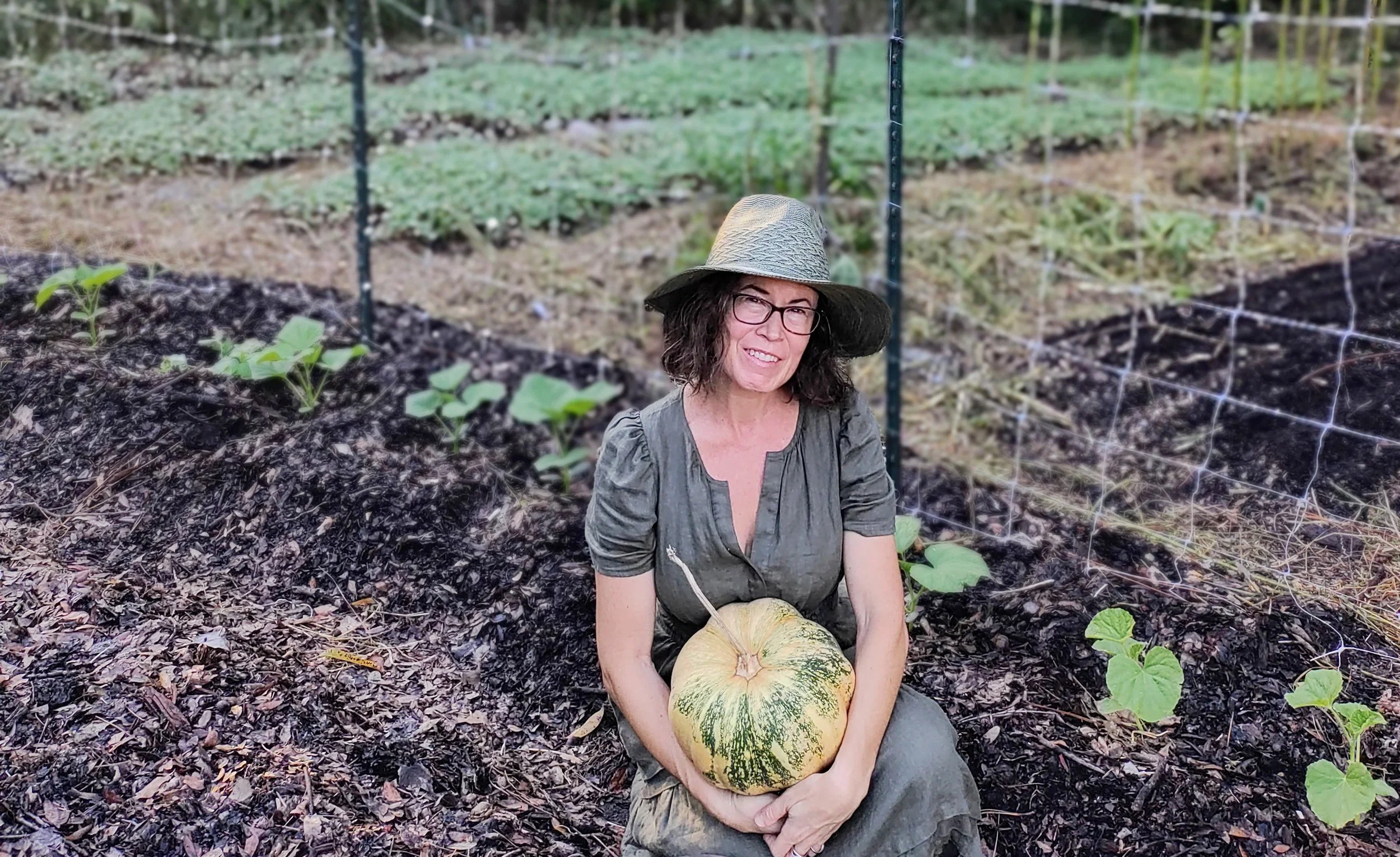
Brooke McNeal grows many of the botanicals she uses in her skincare.
The founder, formulator, and farmer behind Vital Acre Farm & Apothecary started with a 10-by-20-foot garden in 2020. That garden has since grown into a regenerative half-acre urban farm in Jacksonville, Florida.
McNeal grows calendula, turmeric, lemon balm, hibiscus, and carrot root, then harvests and infuses botanicals into oils for the collection. She handcrafts the finished products in small batches at her nearby Neptune Beach apothecary.
Her involvement continues through formulating, filling, and labeling. Being both the farmer and the formulator allows her to work with the ingredients throughout the process.
Pure Gold Tallow Face Butter combines locally sourced, grass-fed and grass-finished tallow with rosehip oil, sea buckthorn oil, and farm-grown calendula infused into organic jojoba oil.
Night Glow Serum features Vital Acre-grown calendula and turmeric alongside bakuchiol, vitamin C, and botanical oils. Both products show how McNeal uses her own harvest in the skincare she makes.
Website: Vital Acre Farm & Apothecary
Dr. Angela Zeng | Karviva
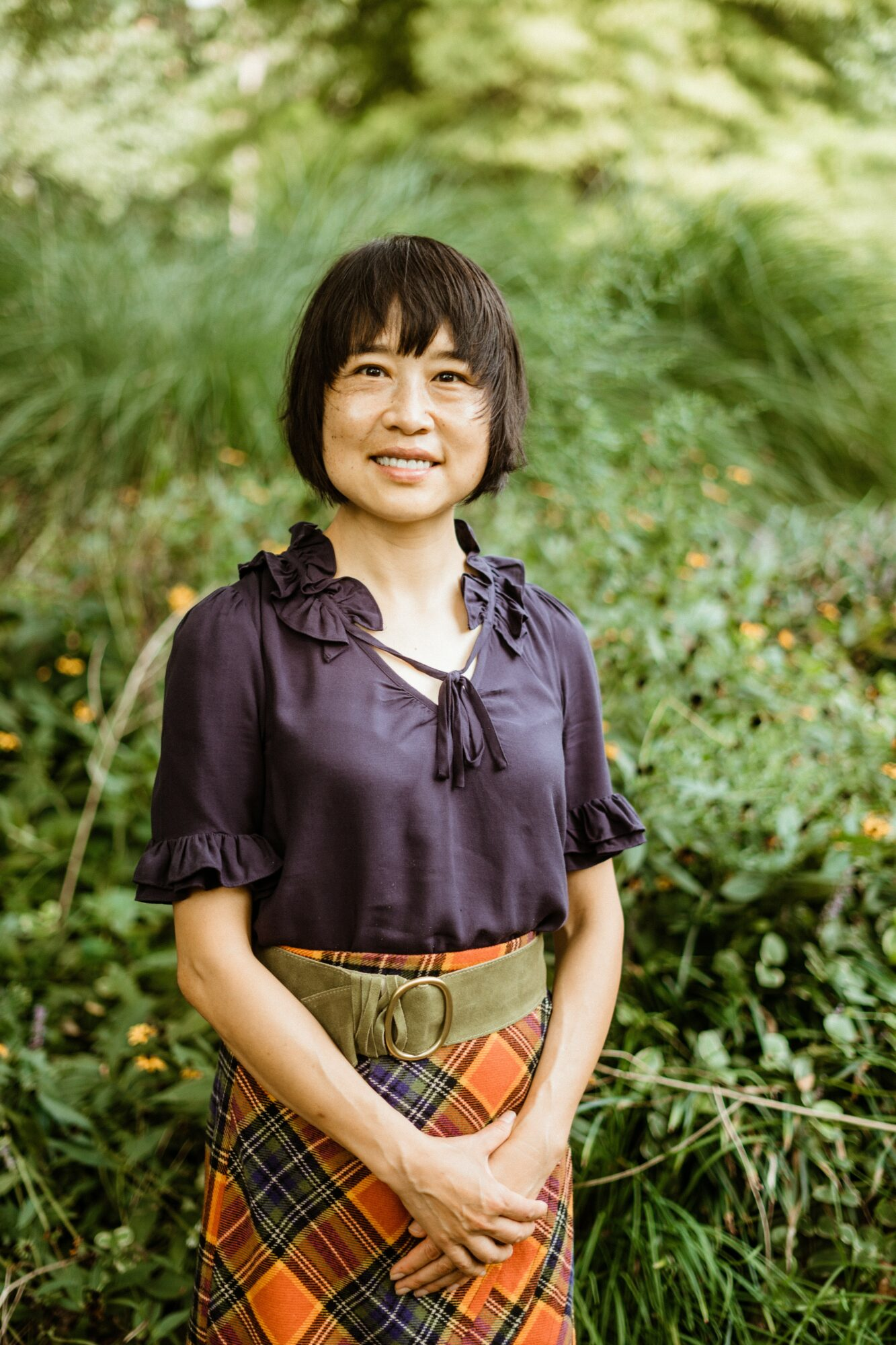
Dr. Angela Zeng built her own production facility to make the beverages she wanted to bring to market.
The Karviva founder designed and built the company’s St. Louis, Missouri factory in 2016. Its first drinks launched in local Whole Foods Market stores in 2017.
Today, the collection includes organic sprout juices, Energy Juices, Unwined non-alcoholic wine alternatives, and plant-based protein smoothies. Zeng draws inspiration from Chinese herbal traditions and her background in medical research.
According to her submission, Karviva grows sprouts hydroponically and uses whole-plant extraction to incorporate more of the plant into its drinks.
Every bottle is made in the company’s own St. Louis facility. The business does not use a co-packer, allowing its team to oversee production from the indoor growing operation through bottling.
Karviva offers a look at American manufacturing beyond the small studio. Zeng’s decision to build a factory made in-house production part of the business from its earliest years.
Website: Karviva
Joani DiCampli | Boobalicious™

Joani DiCampli started Boobalicious with $75 from her stepmom and a few words of encouragement:
“If you don’t try, you will never know.”
In 2012, the Delaware-based founder began developing a product for concerns women often hesitate to discuss, including under-breast sweat, odor, and chafing.
DiCampli did not come from the beauty industry. She researched ingredients, experimented with her original formula, and taught herself how to build a product business. Boobalicious grew from that handmade beginning into a vegan breast and body deodorant brand.
DiCampti speaks openly about the difficulties that followed, including manufacturing challenges, protecting her work, and learning whom to trust. More than a decade later, she continues building the business.
Her approach remains personal: create products for everyday concerns and make women feel more comfortable talking about them. The humor and honesty in her story are part of how she introduces the brand, alongside her gratitude for the encouragement that helped her begin.
Website: Boobalicious™
Harleen Kaur | Harleen Kaur
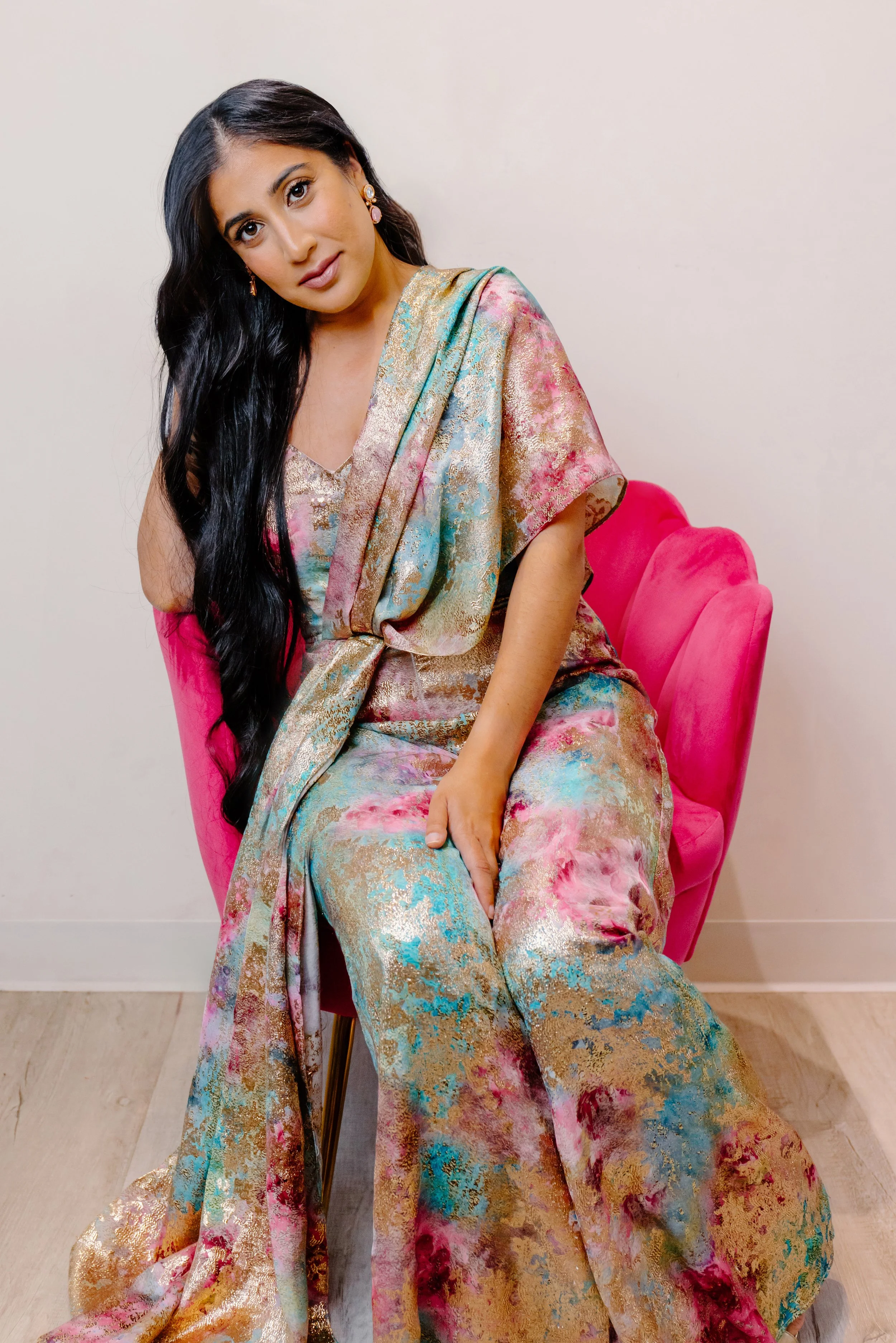
Harleen Kaur started designing celebration clothing because she wanted pieces that reflected her generation and her South Asian and Thai heritage.
Her namesake collection includes bridal looks, Indo-Western separates, and menswear for weddings, sangeets, Diwali, and other celebrations. Every garment is made in New York City through small-batch production with local factory partners in the garment district.
The collection offers sizes XS to 6X, plus custom sizing. Customers can choose ready-to-ship pieces, made-to-order designs, or fully custom work.
Kaur also experiments with materials and embellishment techniques. Her collections incorporate recycled polyester and EcoVero viscose, and the business produces 3D-printed embellishments in-house.
The FARIA Geo Jacquard Indian Blazer, priced at $388, is made from metallic geometric jacquard. It can be styled with jeans for a holiday party or worn over a lehenga for Diwali or a wedding.
That versatility is part of the collection’s appeal: customers can choose pieces for a particular celebration and explore different ways to wear them afterward.
Website: Harleen Kaur | Shop: FARIA Geo Jacquard Indian Blazer
Leon Rbibo | The Pearl Source
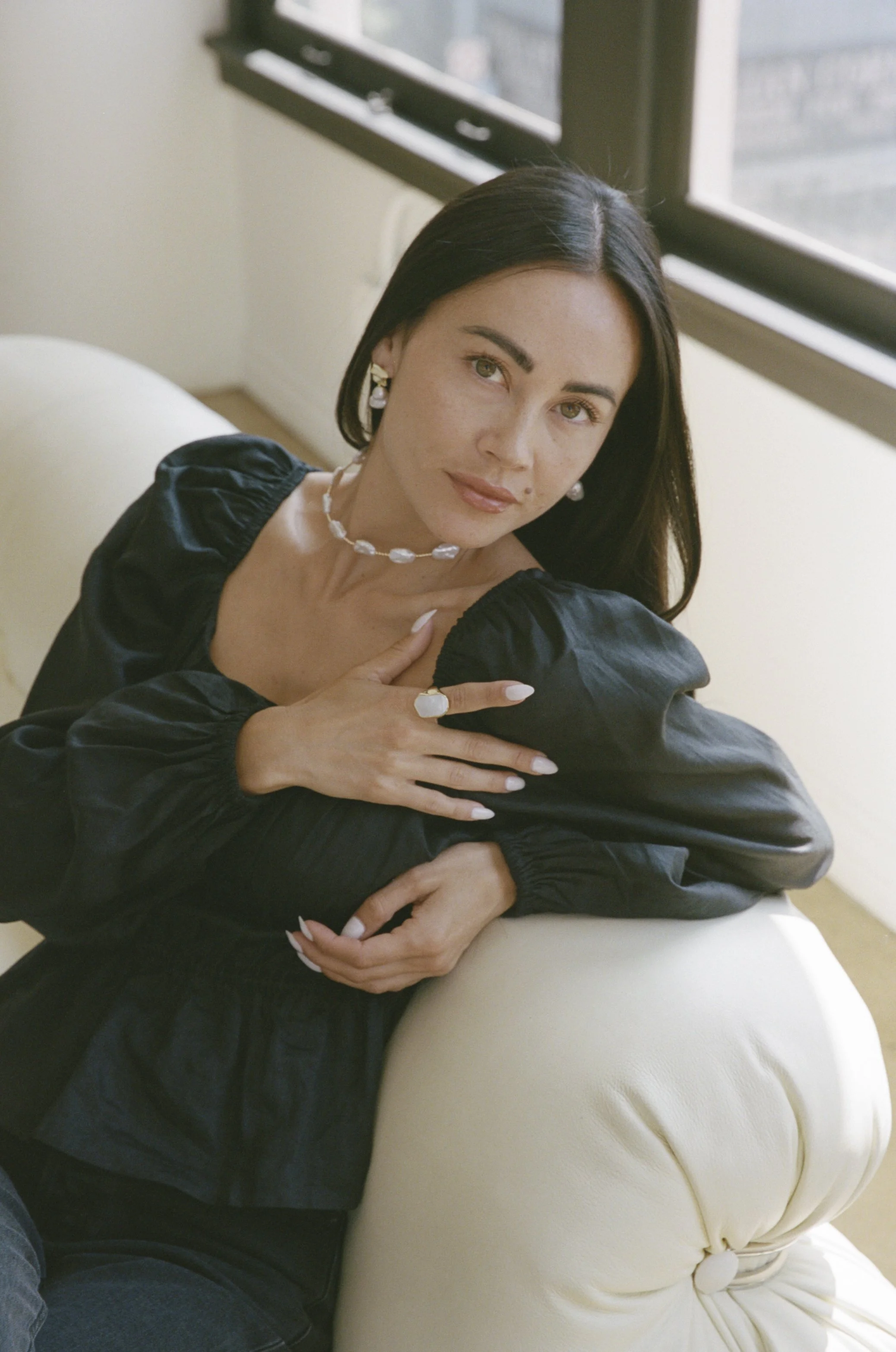
The Pearl Source sources its pearls globally and handcrafts its jewelry in Los Angeles.
Founder Leon Rbibo grew up in his family’s pearl business and brings more than 20 years of experience to the company. Its pearls come from farms around the world, including Japan, French Polynesia, and Australia.
Eight artisans sort and match the pearls and craft the jewelry at its Los Angeles facility. Keeping that work in-house gives the business close oversight of the finished pieces.
The international sourcing is an important distinction within this American craftsmanship spotlight. The pearls come from overseas, while the jewelry-making takes place in the United States.
For Rbibo and his team, selecting and matching the pearls is part of the work that goes into each design. The company has continued to keep those tasks within its own facility as the business has grown, making Los Angeles craftsmanship a central part of its production process.
Website: The Pearl Source
Ashley & Trent Cox | Roostas

Ashley and Trent Cox founded Roostas in Oxford, Mississippi, bringing Southern-inspired style to an everyday accessory.
The business creates woven stretch, embroidered, and needlepoint belts for men, women, and children. Gameday and golf-inspired designs give customers ways to include their interests in what they wear.
Roostas describes its belts as made in the United States, with an emphasis on hand-embroidered and hand-finished details. The collection combines those decorative elements with the practical function of a belt.
For someone who prefers a simple outfit, a patterned or embroidered belt can provide a small point of interest. For a gift-giver, the themes offer a way to choose something connected to the recipient’s favorite activity.
The Oxford-based company’s collection is especially relevant for readers who enjoy Southern style, golf clothing, or gameday dressing. Its designs give a familiar wardrobe staple a more personal look, with craftsmanship visible in the embroidery and finishing details.
Website: Roostas
Vicky Posey | Vicky P Jewelry
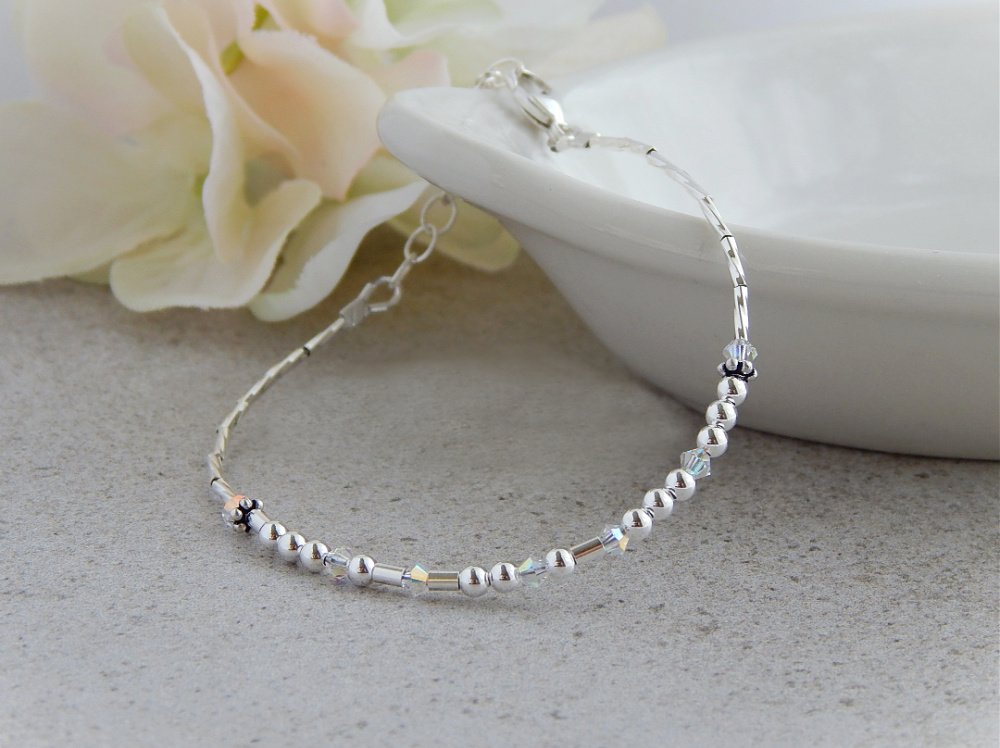
Vicky Posey makes jewelry around the relationships and memories her customers want to celebrate.
Working from her studio in Wheeling, West Virginia, she creates Morse Code jewelry, family birthstone bracelets, milestone birthday pieces, and other personalized designs. She has been making jewelry since 2012.
A message can be translated into Morse Code beads, allowing the wearer to carry words whose meaning may be known only to them. A family birthstone bracelet can bring several loved ones together in a single piece.
Posey creates each item herself, with attention to the details that make it personal. Customers contribute the message, milestone, or family connection; she turns that information into something they can wear.
It’s a gift that offers a way to acknowledge a particular relationship or moment. Whether the design marks a birthday, celebrates family, or carries a private message, the personalization gives the recipient a story behind the jewelry.
Website: Vicky P Jewelry
Nicole Rippee | HELLO SHADE

Nicole Rippee noticed that women often protect the skin on their faces while their hands and arms remain exposed to the sun, particularly when driving.
She wanted to create sun-protection accessories women would enjoy wearing. Without a background in product manufacturing, she began learning about fabric, patterns, fit, and development.
Rippee sourced materials, evaluated their stretch, weight, feel, and performance, and found California manufacturers to help produce the sleeves. She spent close to a year testing and refining the product before launching.
HELLO SHADE describes its signature sleeves as UPF 50+, with extended hand coverage, reinforced thumb holes, and an adjustable fit. Rippee approached their appearance with the same attention she gave their function.
Keeping production in California also lets the business work in smaller batches and experiment with different colors, textures, and fabrics. That flexibility allows her to continue developing the collection around what customers want to wear.
Website: HELLO SHADE
Lauren George & Alaina Woerner | Buck & Boots
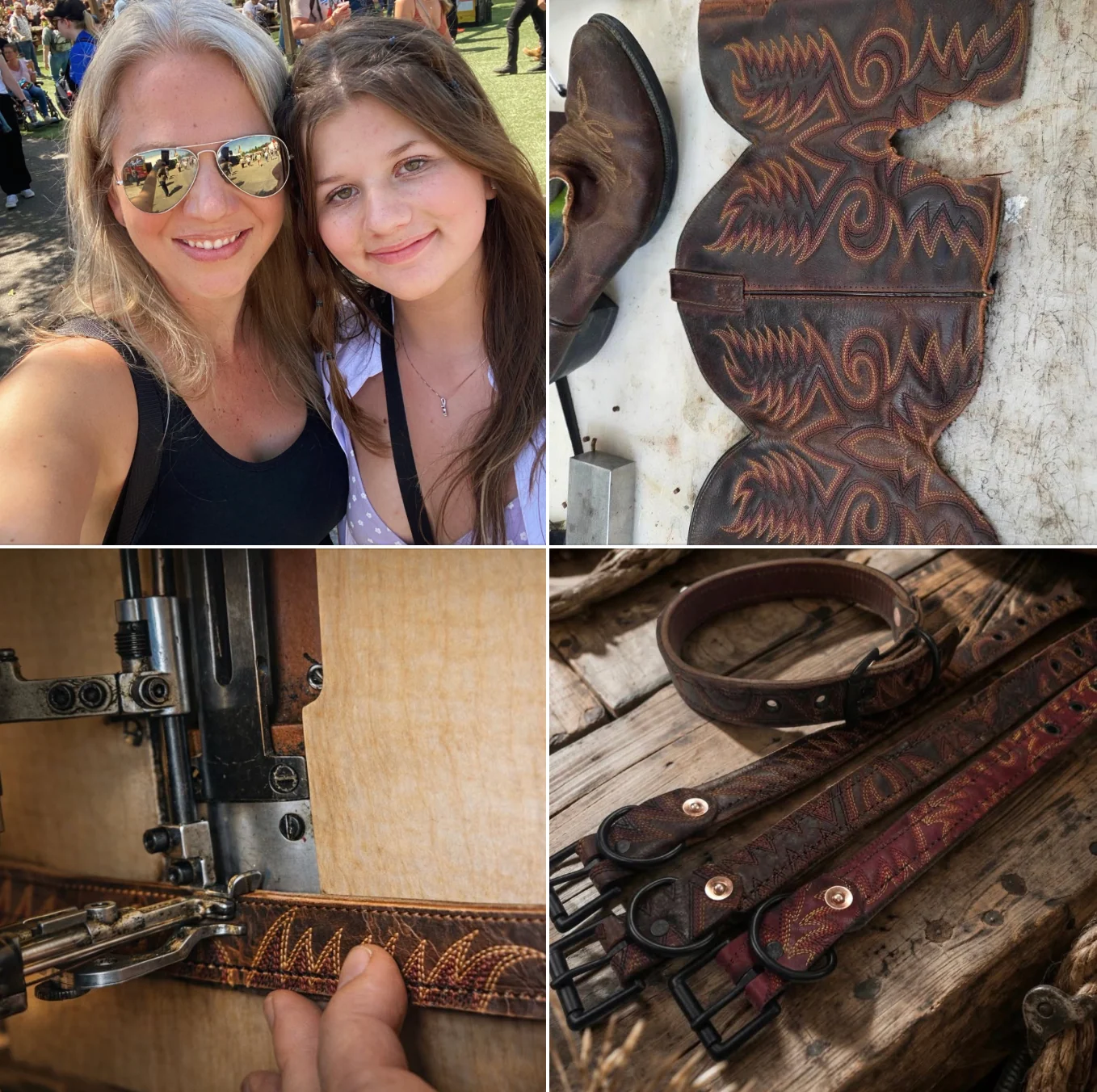
A pair of cowboy boots can carry years of wear, distinctive embroidery, and sentimental value. Buck & Boots gives that leather another use.
California-based mother-and-daughter founders Lauren George and Alaina Woerner transform reclaimed cowboy boots into handcrafted dog collars. Each boot is carefully deconstructed so its original leather, stitching, and design can become part of the finished accessory.
The collars are made in the United States in small quantities, using antique brass hardware. Because the boots differ, every collar has its own appearance.
The business also makes custom collars from customers’ own boots. A pair that can no longer be worn can become something their dog wears, preserving a familiar material in a new way.
The Reclaimed Cowboy Boot Dog Collar is $175 and arrives in a wooden presentation box with a dust pouch and heritage story card. For someone who loves dogs and Western style, it offers an unusual gift with a clear connection to the material’s past.
Website: Buck & Boots
Jessie & Dan Chernetski | Mikutowski Woodworking
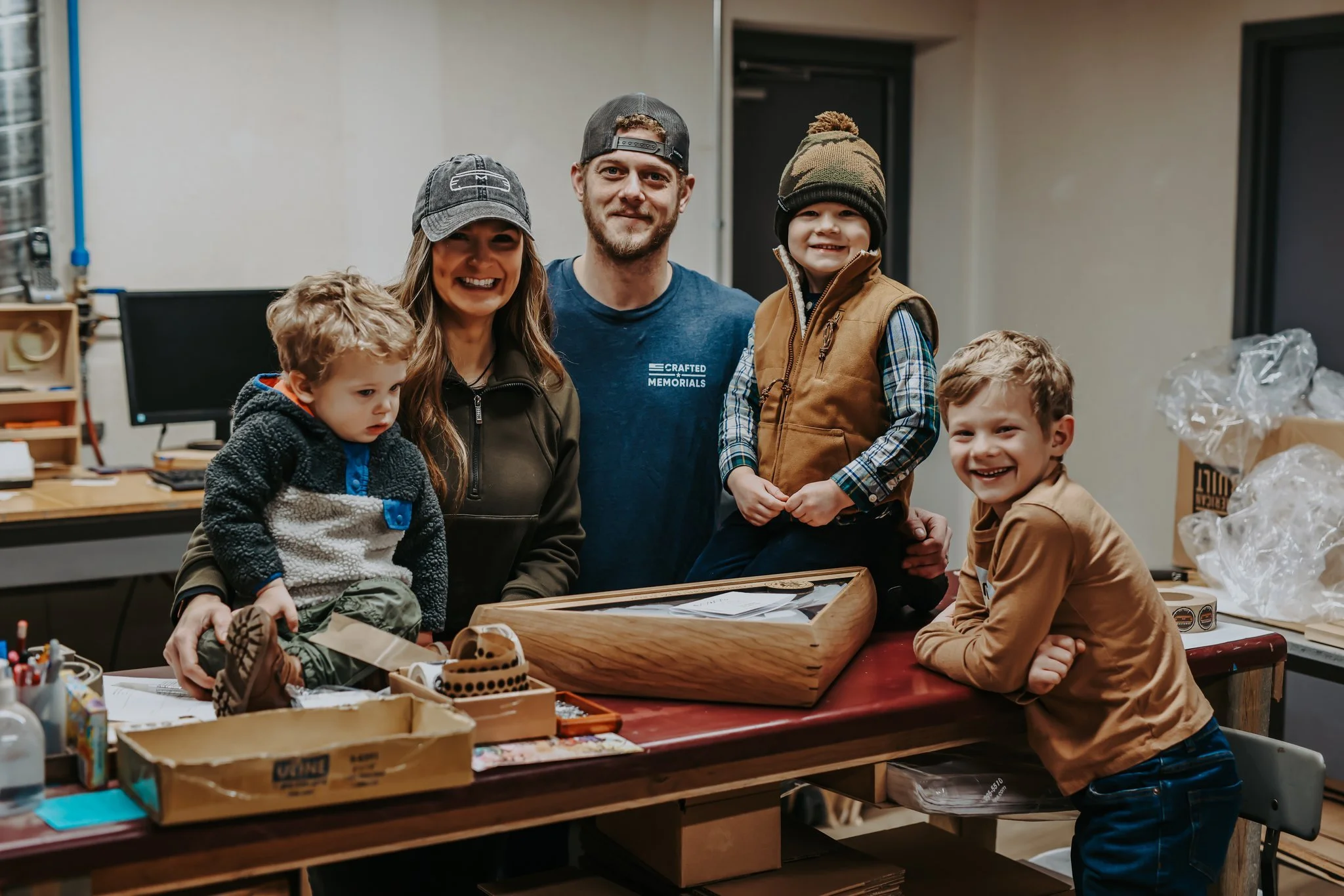
At Mikutowski Woodworking, a finished box begins with a carefully selected piece of lumber.
Owners Jessie and Dan Chernetski work with a team of six in Marinette, Wisconsin, making wooden jewelry boxes, flag cases, urns, and trinket boxes.
The team planes, shapes, sands, and details the wood by hand, using traditional woodworking techniques and handmade jigs. A water-based clear coat protects each piece while showing the wood’s natural color and grain.
Personalized laser engraving adds another option for customers who want to mark an occasion or include a name or message.
The Small Wooden Trinket Box has a solid curly maple lid, with eight hardwood choices for the bottom. Priced at $50, including customized personalization and shipping, it can hold jewelry, small keepsakes, a gift card, or cash.
It is also a useful way to make the packaging part of a gift. After the original contents are removed, the recipient still has a personalized wooden box to use on a dresser, desk, or nightstand.
Website: Mikutowski Woodworking Shop: Small Wooden Trinket Box
Julie Simon | Moss Bags
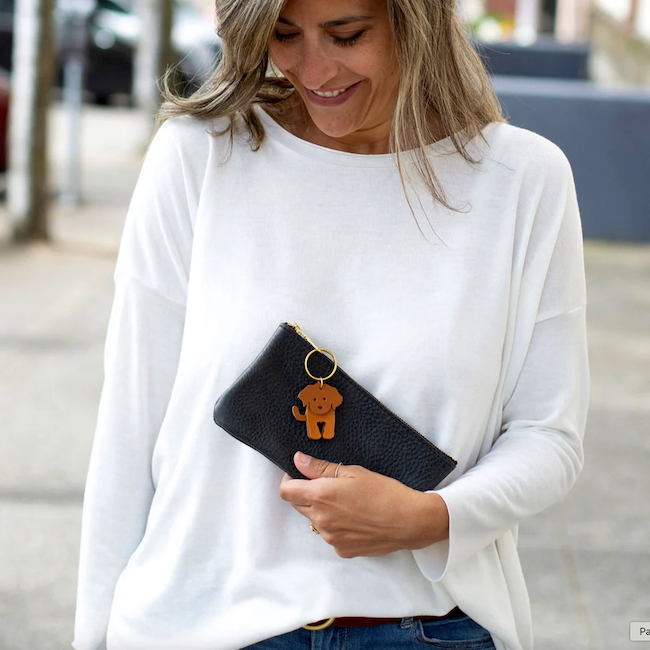
Julie Simon and her husband make leather bags and accessories in their Bellingham, Washington studio.
They share the production work: he operates the hydraulic press, while she finishes, stitches, and assembles each piece. Making the products themselves also gave them a close view of how much usable leather remained after cutting their bags.
Those smaller offcuts inspired Moss Dogs, little dog-shaped keychains and bag charms made from the same full-grain leather.
Priced at $16, the charms began as a practical way to use more of their material. Simon says they have since become one of the business’s bestselling products. A portion of profits supports guide and search-and-rescue dogs, connecting the accessories with another interest important to the company.
For shoppers, Moss Dogs offer a small gift or an introduction to the studio’s leatherwork. For the makers, they are the result of looking at materials already on hand and finding another product they could make from them.
Website: Moss Bags Shop: Moss Dogs
Cameron Christensen | Pick-A-Path Letters
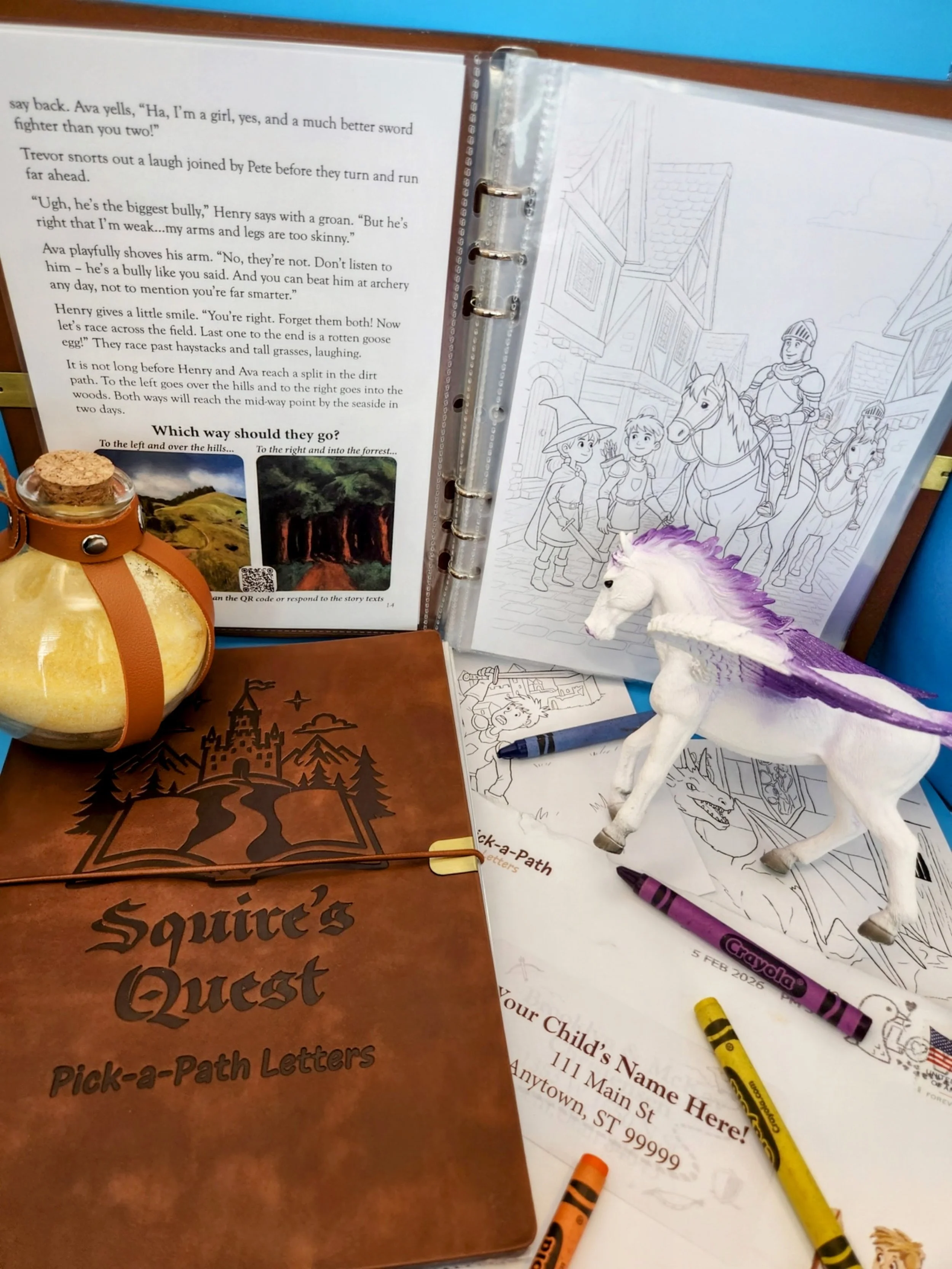
Pick-A-Path Letters gives children a reason to look forward to the mailbox.
Co-founder Cameron Christensen describes the Lehi, Utah business as an illustrated story subscription delivered through physical letters. Each letter is addressed to the child, and the child’s choices help determine what happens next in the adventure.
The family prints and packs the letters by hand, creating a product that children can hold, read, and revisit.
The Squire’s Quest subscription includes 12 letters over six months and ends with a physical keepsake book. It is priced at $99.99.
Christensen says families have shared that the letters become something children wait for, with grandparents sometimes calling to discuss the next choice.
That makes the subscription an option for families who enjoy reading together or want a gift that continues over several months. Each delivery brings another chapter, another decision, and an opportunity to talk about the story before the next letter arrives.
Website: Pick-A-Path Letters
Meet the Makers Behind Your Next Find
These businesses make very different products, but each offers a clear answer to an important shopping question: who is behind it?
For some, the answer is a founder sewing or formulating in a small studio. For others, it is a family workshop, a local manufacturing partnership, or a team working in a dedicated facility.
Learning about that work adds something to the purchase. A gift comes with a founder’s story. A daily essential connects you with a maker you can name. And discovering a new business becomes an opportunity to support the people turning their ideas into products across the country.